Toman Hits 206,700 as Pezeshkian Unveils $640M Projects Amid Escalating Kyiv Conflict
عبور دلار از ۲۰۶ هزار تومان همزمان با افتتاح طرحهای ۶۴۰ میلیون دلاری و تشدید بحران در کییف
The Iranian Toman has surged past the 206,700 mark against the USD as President Pezeshkian inaugurates thousands of rural projects. Meanwhile, a devastating strike on a Kyiv weapons depot has left dozens dead, rattling global risk sentiment.
At time of publishing
USD
206,700
Toman
Gold 18K
21.94M
Toman / gram
Bitcoin
$77,673
US Dollar
Tether
204,105
Toman
Infrastructure Vows vs. Currency Volatility
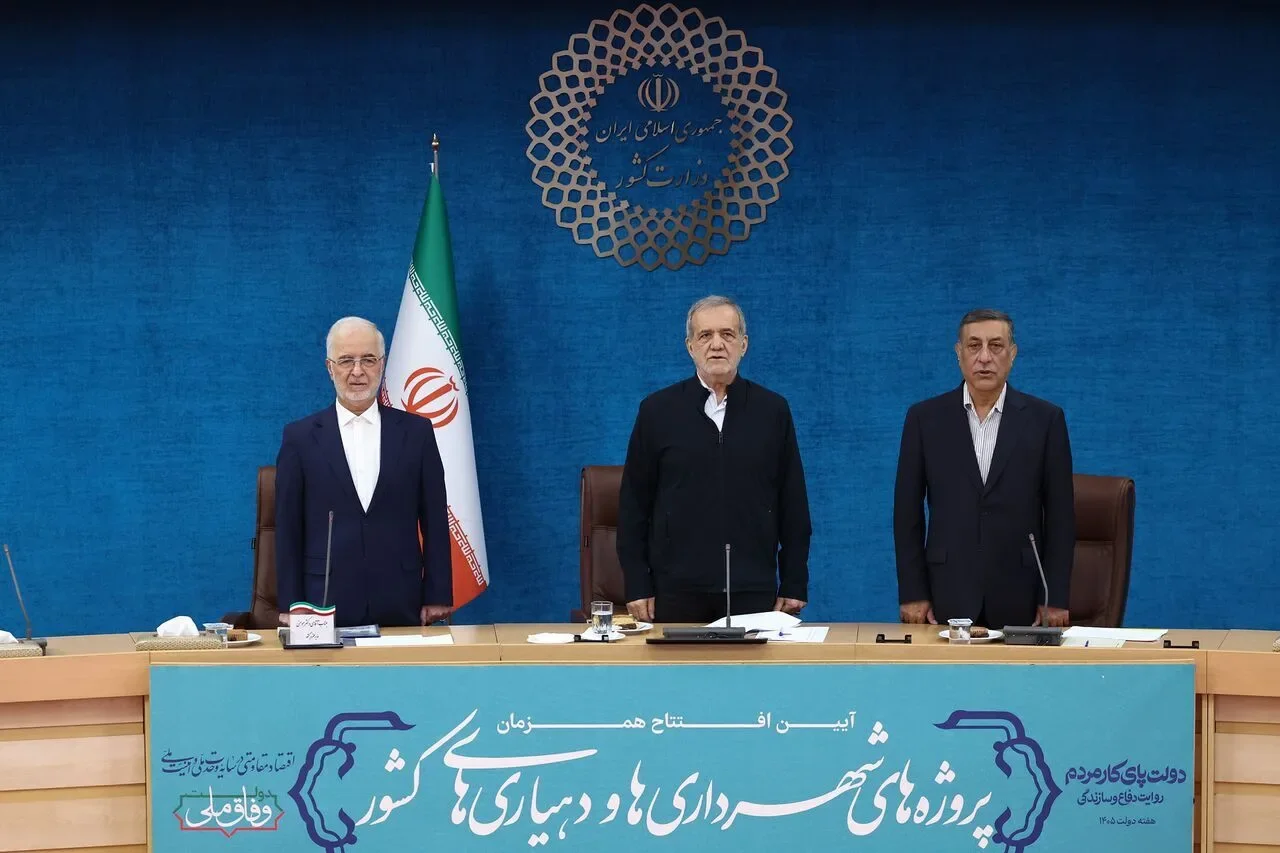
President Masoud Pezeshkian has officially inaugurated 18,910 municipal and rural development projects across Iran, representing a total investment of over $640 million. Iranian state media reported that these projects are aimed at revitalizing local economies and improving infrastructure in underserved regions. However, the timing of this announcement coincides with significant pressure on the domestic currency market. While the government attempts to project a narrative of internal growth and resilience, the fiscal reality remains strained by persistent inflation and the ongoing impact of international sanctions.
In the currency markets, the Iranian Toman experienced a sharp decline today. The USD rose from 201,500 to 206,700, marking a 2.6% increase in just 24 hours. This volatility suggests that traders and the public remain skeptical of state-funded projects' ability to stabilize the economy in the short term. Gold prices followed suit, with 18k gold rising from 21,561,475 to 21,942,379 Toman (+1.8%). For the average Iranian, these numbers translate to a direct loss of purchasing power, overshadowing the ribbon-cutting ceremonies held in Tehran.
---
Geopolitical Tensions: Kyiv Strike and IRGC Rhetoric
On the international front, a catastrophic strike on a weapons depot near a residential area in Kyiv has resulted in at least 37 deaths and hundreds of evacuations. This event marks one of the deadliest single incidents in recent weeks, prompting an immediate investigation into why military hardware was stored so close to civilian housing. Beyond the humanitarian tragedy, the strike has sent ripples through global markets, reinforcing the 'war premium' on energy and commodities. Investors are closely watching for a potential escalation in Western military aid or retaliatory measures that could further destabilize the region.
Simultaneously, senior officials within the Islamic Revolution Guards Corps (IRGC) have doubled down on their stance against Western influence. A senior advisor to the IRGC commander claimed that Iran's success in resisting what he termed the "American-Zionist war" is due to a reliance on domestic power rather than massive defense budgets. This rhetoric is often used to justify the prioritization of military spending over civil economic relief. By framing the economic struggle as a component of a broader "global hegemon" conflict, the regime seeks to deflect domestic criticism regarding the rising cost of living and the 2.6% jump in the dollar's value.

---
Tech and Markets: Nvidia’s New Frontier
In the technology sector, Nvidia is signaling a major shift in its strategy for artificial intelligence dominance. While the company has long been synonymous with high-performance GPUs, it is now moving toward optimizing the entire data center ecosystem. By focusing on smarter traffic control and system-level efficiency rather than just raw processor cycles, Nvidia aims to maintain its lead as competitors catch up on hardware specs. This evolution is critical as the industry moves from the initial "AI hype" phase into a more mature period focused on operational costs and energy consumption.
As we look toward the coming week, global markets are bracing for a heavy data load, including updates on semiconductor performance, cybersecurity trends, and US jobs reports. For crypto enthusiasts, Bitcoin (BTC) is currently trading at $77,673, showing relative stability compared to the volatile fiat markets in the Middle East. However, the recent collapse of a Trump-promoted token, which lost 99% of its value after touting gold-backed security, serves as a stark reminder of the risks inherent in the celebrity-driven corners of the digital asset world. Investors are advised to focus on institutional-grade assets as the broader market enters a period of high-stakes macroeconomic adjustments.

Frequently Asked Questions
Why did the Toman drop while the government is announcing new projects?
What is the significance of the Kyiv weapons depot strike for global markets?
How is Nvidia changing its AI business model?
Understanding Currency Depreciation: The Toman's Slide and Its Broader Implications
When a headline declares that a currency like the Toman "hits 206,700" against the US Dollar, it signifies a significant event known as currency depreciation. Currency depreciation refers to the fall in the value of a country's currency relative to other currencies in a floating or managed exchange rate system, driven by market forces. This is distinct from "devaluation," which is a deliberate downward adjustment by a government in a fixed exchange rate regime. For ordinary citizens, this number means that it now takes 206,700 Iranian Tomans to purchase just one US Dollar, indicating a substantial loss in the Toman's purchasing power on the international stage.
Several factors typically contribute to currency depreciation. High domestic inflation, where prices for goods and services rise rapidly within a country, can erode a currency's value. Large trade deficits, where a country imports more than it exports, can also weaken demand for its currency. Crucially, geopolitical instability, economic sanctions, and a lack of investor confidence often lead to capital flight, as investors move their money to safer or more profitable assets abroad, further depressing the local currency's value. In Iran's case, a combination of these factors, including persistent inflation and international sanctions, has historically put immense pressure on the Toman.
The economic impacts of severe currency depreciation are far-reaching and predominantly negative for the general populace. Imports become significantly more expensive, leading to higher prices for essential goods, raw materials, and technology – a phenomenon known as imported inflation. This reduces the purchasing power of wages and savings, as people can buy less with the same amount of money. Businesses relying on imported components face increased costs, potentially leading to reduced production or higher consumer prices. While a weaker currency can theoretically make exports cheaper and more competitive, the benefits are often outweighed by the costs of imported inputs and the broader economic instability.
Ultimately, understanding currency depreciation is vital for grasping the economic health of a nation and its implications for daily life. It affects everything from the cost of groceries and fuel to the ability to travel or invest abroad. For countries like Iran, where the national currency has experienced significant fluctuations, it underscores the profound challenges posed by domestic economic management and external pressures, directly impacting the financial well-being of millions.