
Rogers' Bin Laden Claim Under Fire; Nepal Floods Surge to 3,000 Missing; Toman Rebounds Slightly
ادعای راجرز درباره بن لادن زیر سوال؛ ۳۰۰۰ نفر در سیل نپال ناپدید شدند؛ تومان اندکی بهبود یافت
Michigan Senate candidate Mike Rogers is facing scrutiny over claims he saw Osama bin Laden's body, a narrative contradicted by evidence. Meanwhile, the devastating floods in Nepal and Tibet have left nearly 3,000 people missing as rescue operations continue.
At time of publishing
USD
206,400
Toman
Gold 18K
21.80M
Toman / gram
Bitcoin
$77,853
US Dollar
Tether
204,106
Toman
Rogers' Bin Laden Claim Sparks Controversy
Michigan Senate candidate Mike Rogers is embroiled in controversy following a fundraising email where he claimed to have seen the body of Osama bin Laden, the former al-Qaeda leader killed in 2011. The assertion, made by Rogers, who is running against Abdul El-Sayed, has been met with skepticism and factual challenges. Rogers, a former US Army officer and FBI special agent, stated in the email that he had "dedicated my life to keeping our families safe – working in the shadows, hunting down terrorists, and standing on the frontlines of our national security." This narrative suggests a direct, personal involvement in the operation against bin Laden, a claim that appears to be unsubstantiated and potentially misleading given the known details of the raid.
Why This Matters: Such claims, particularly from individuals seeking public office, raise serious questions about honesty and integrity in politics. In an era of deep political polarization, voters rely on candidates to present accurate accounts of their experiences and qualifications. Rogers' statement, if not demonstrably true, could erode trust and influence perceptions of his fitness for the Senate. Furthermore, the repeated invocation of national security and counter-terrorism by politicians can sometimes be used to deflect from policy critiques or to rally support through appeals to patriotism, making scrutiny of these claims essential for informed public discourse.

---
Nepal and Tibet Flood Crisis Worsens, Missing Count Soars
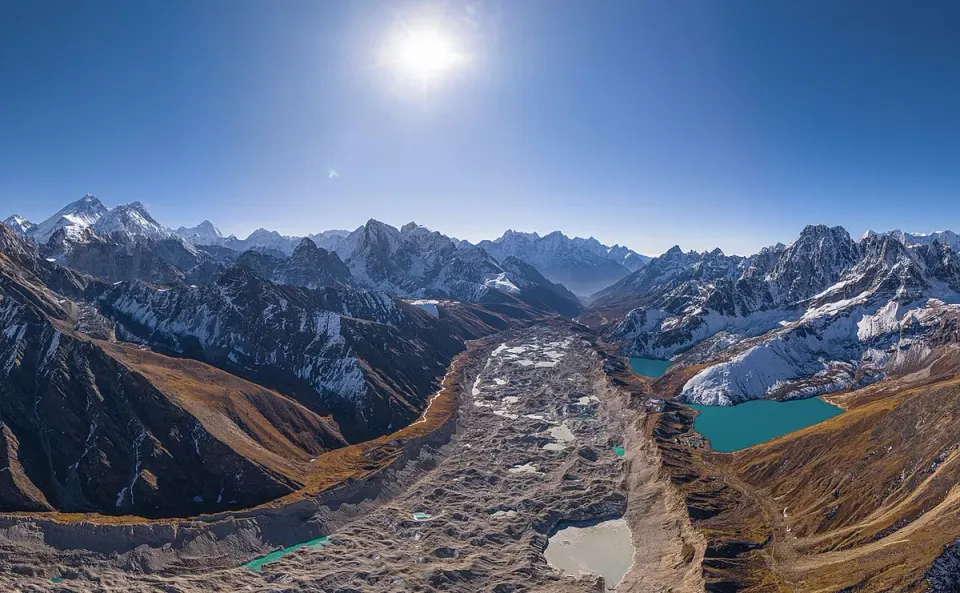
The catastrophic floods in Nepal and Tibet, triggered by a glacial collapse, have resulted in a grim surge in the number of missing individuals, now nearing 3,000. Official reports confirm at least 675 deaths in Nepal, with an additional seven fatalities reported in Tibet by Chinese state media. The disaster has overwhelmed local authorities, particularly in Nepal, which has formally requested international assistance for body identification, storage, DNA testing, and the rescue of survivors trapped in submerged areas and tunnels.
Why This Matters: This escalating humanitarian crisis highlights the vulnerability of communities in mountainous regions to climate-change-induced disasters. The sheer scale of the missing and deceased underscores the immediate need for robust international aid, including specialized search and rescue teams, medical support, and resources for temporary shelter and long-term recovery. The incident also serves as a stark reminder of the increasing frequency and intensity of extreme weather events globally, necessitating greater investment in early warning systems, resilient infrastructure, and climate adaptation strategies, especially in regions like the Himalayas that are particularly susceptible to glacial melt and flash floods.
---
Toman Shows Modest Gains Amid Market Fluctuations
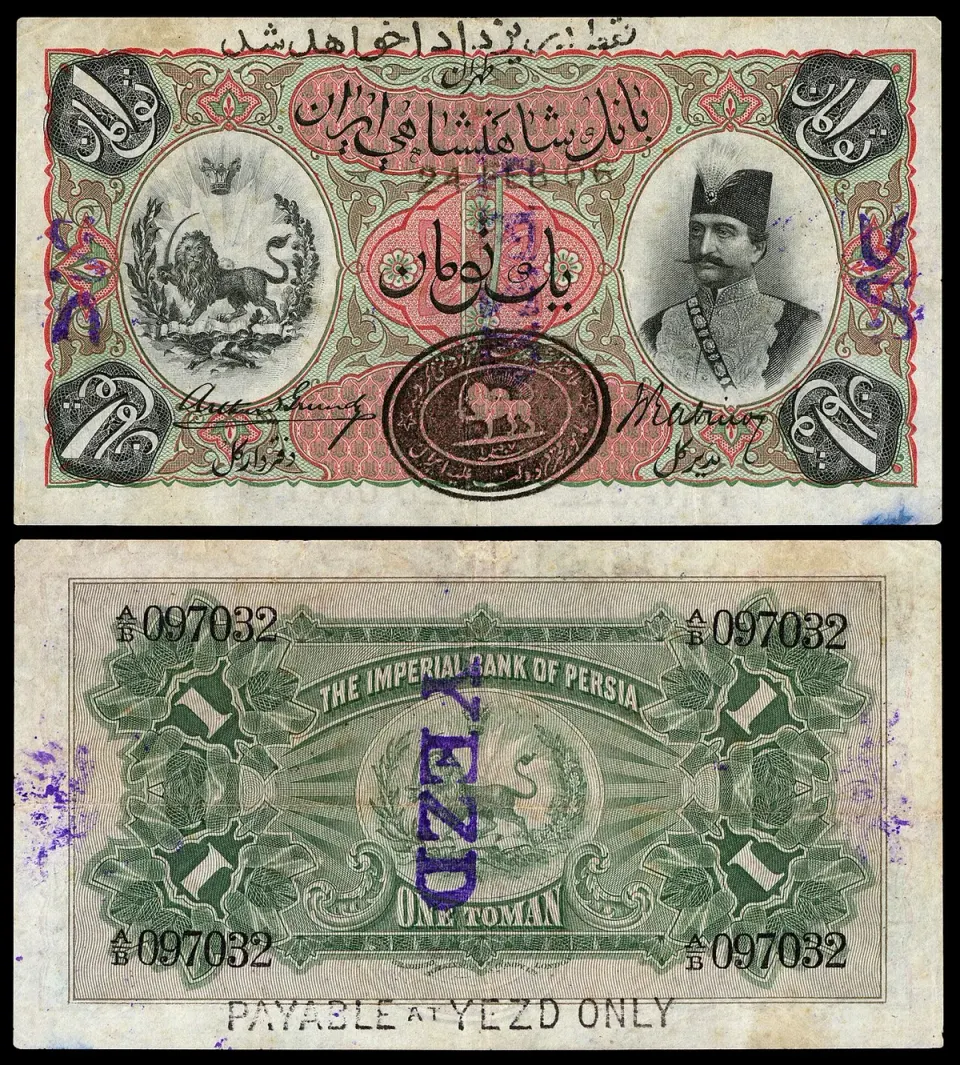
The Iranian Toman has experienced a slight recovery in the past 24 hours, with the US Dollar sell rate moving from 201,500 to 206,400 Toman, marking a 2.4% increase in the Toman's value against the dollar. This movement suggests a brief stabilization after a period of depreciation. Concurrently, gold prices have also seen a modest uptick, with 18-carat gold per gram rising by 1.1% and Emami coins showing a 0.9% increase. These fluctuations in the currency and precious metal markets reflect ongoing economic pressures and shifting investor sentiment within Iran.
What It Means: While the Toman's slight appreciation is a welcome development for Iranians struggling with inflation and the rising cost of living, it is crucial to view this within the broader context of sustained economic challenges. The underlying factors contributing to currency devaluation, such as sanctions, domestic economic policies, and global market volatility, remain largely unaddressed. The modest gains in gold prices indicate continued demand for safe-haven assets, a common trend during times of economic uncertainty. For the average Iranian, these market movements translate into a continued struggle to maintain purchasing power, with any small gains in currency value often quickly eroded by persistent inflation and the high cost of essential goods and services.
Frequently Asked Questions
What is the current exchange rate for USD to IRR?
How many people are missing in the Nepal and Tibet floods?
What is the latest development regarding Mike Rogers' claims?
Has the Iranian Toman stabilized?
What is the price of gold in Iran?
Understanding Currency Depreciation and its Drivers
Currency depreciation refers to the loss of value of a country's currency relative to one or more foreign currencies. When a currency depreciates, it means that more units of the local currency are required to purchase one unit of a foreign currency, such as the U.S. dollar. For instance, if the Iranian Toman depreciates against the U.S. dollar, it means that an Iranian citizen needs to spend more Tomans to buy one dollar than before. This phenomenon is a critical indicator of a nation's economic health and its standing in global trade.
Several factors can trigger currency depreciation. High inflation rates within a country often erode the purchasing power of its currency, making it less attractive to foreign investors. Significant trade deficits, where a country imports more than it exports, can also weaken a currency as demand for foreign currency increases. Political instability, capital flight, and lower interest rates relative to other countries can further contribute to a currency's decline. Crucially, in the context of geopolitically sensitive economies like Iran, international sanctions and geopolitical tensions play a profound role, limiting foreign investment, restricting trade, and creating uncertainty that drives down the currency's value.
The consequences of currency depreciation are far-reaching. For consumers, it means that imported goods become more expensive, leading to higher prices for everything from food to electronics, thereby fueling domestic inflation. For businesses, the cost of imported raw materials and machinery rises, potentially hindering production and growth. Countries with significant foreign debt find their repayment burdens increasing, as more local currency is needed to service those debts. On the flip side, exports can become cheaper and more competitive, potentially boosting a country's trade balance, though this benefit is often offset by other economic challenges in sanction-hit economies. Faced with a depreciating currency, citizens often seek to protect their savings by converting them into more stable assets, such as foreign currencies or commodities like gold, which can be observed in markets like Iran.