UK Industrial Crisis & Iran's New Hormuz Zone: Global Markets Brace for Structural Shifts
بحران صنعتی در بریتانیا و منطقه ممنوعه جدید در هرمز: بازارهای جهانی در آستانه تغییرات ساختاری
Jaguar Land Rover announces 4,000 job cuts as the UK Chancellor's first major speech is met with skepticism, while Tehran moves to enforce a new restricted zone in the Strait of Hormuz.
At time of publishing
USD
225,000
Toman
Gold 18K
23.10M
Toman / gram
Bitcoin
$79,479
US Dollar
Tether
224,106
Toman
The UK’s Economic Crossroads: Healey’s Speech and the JLR Fallout
Chancellor Healey’s first major policy address was intended to signal a 'turning of the corner' for the British economy, yet the rhetoric was immediately overshadowed by grim industrial reality. As Healey spoke of hollowing out economic enablers through past privatizations, Jaguar Land Rover (JLR) confirmed it would slash 4,000 jobs over the next two years. This move is not merely a corporate downsizing but a symptom of a broader malaise; the automaker is caught between intensifying Chinese competition, the looming threat of US tariffs, and a costly, lagging transition to electric vehicles. For the British public, the Chancellor’s speech felt like 'more of the same,' a continuation of the previous administration's fiscal constraints rather than the radical departure promised during the campaign.
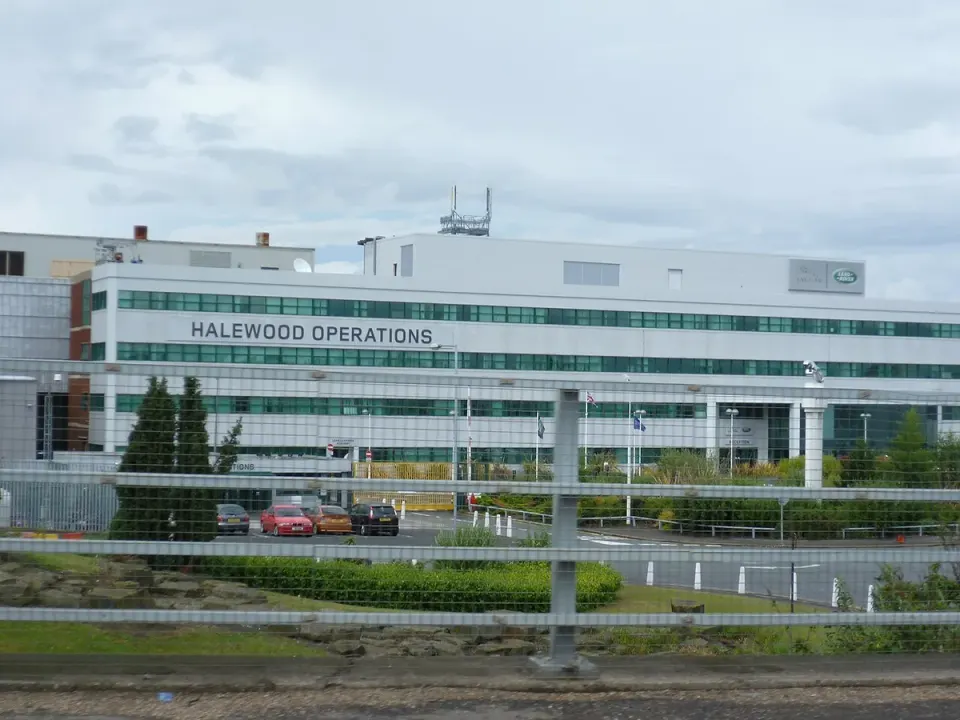
This industrial contraction is occurring against a backdrop of cooling domestic indicators. UK house prices have fallen by 0.4% year-on-year, the first such decline since late 2023, as high interest rates and geopolitical uncertainty finally dampen the property market's long-standing resilience. For international observers and Iranian investors, this volatility in the British pound and industrial output signals a weakening of one of Europe’s primary financial hubs. As the UK struggles to find its footing, the global market is watching closely to see if Healey’s 'dreary' outlook will translate into further bond market turmoil or if the government can indeed find a path toward reindustrialization amid global trade wars.
Tehran’s Strategic Pivot: The New Restricted Zone in Hormuz
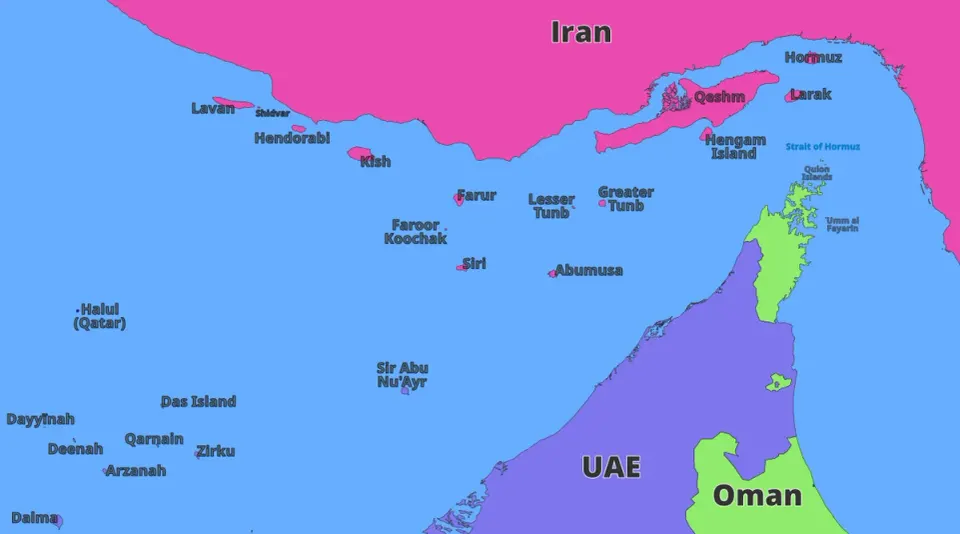
In a move that has sent ripples through global energy markets, Iran has announced plans to establish a new restricted maritime zone in the Strait of Hormuz. According to official claims, this zone will require all vessels to coordinate directly with Tehran for transit, effectively extending Iranian control from the existing naval blockade lines deep into the Persian Gulf. This is a significant escalation in maritime policy, framed by Rear Admiral Shahram Irani as a necessary step to 'ground' enemies who are concerned about Iran’s operational initiatives. While the ability of the Iranian navy to fully enforce such a zone remains a point of intense debate among military analysts, the mere announcement has added a fresh layer of risk to the world’s most critical oil chokepoint.
Beyond the military posturing, the economic tentacles of this geopolitical friction are reaching unexpected places. A burgeoning 'trade war' sparked by potential US sanctions is now threatening the global saffron market, specifically impacting Spain’s iconic paella industry. Because Spain relies heavily on Iranian saffron imports, the threat of US punishment for Iran’s trade partners is forcing European exporters to reconsider their supply chains. This highlights how localized tensions in the Persian Gulf can manifest as inflationary pressure on the other side of the world. For the domestic Iranian market, these tensions have contributed to a slight retreat in the Toman; the USD sell rate moved from 226,700 to 225,000 (-0.7%) over the last 24 hours, reflecting a cautious wait-and-see approach by local traders.
AI Optimism vs. 'Chipflation': The OpenAI Astra Effect
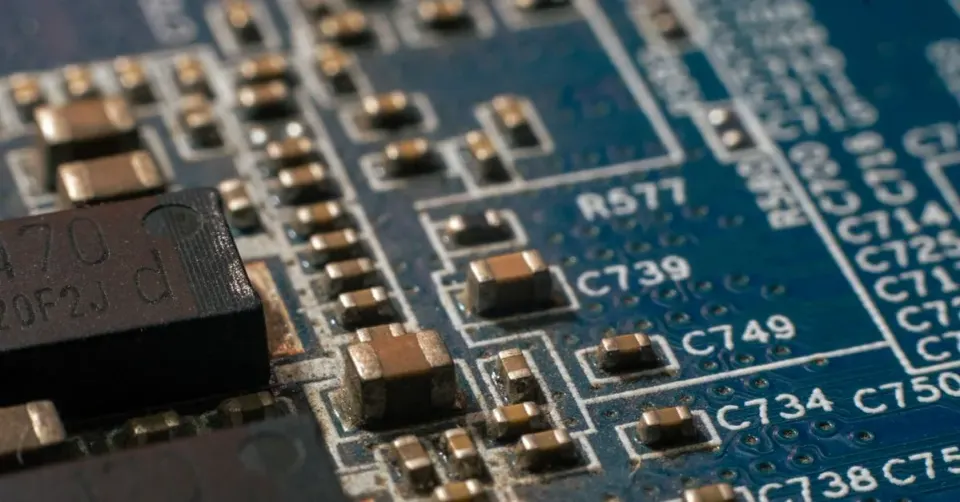
While industrial and geopolitical sectors face headwinds, the technology sector is finding new life through OpenAI’s latest release, the Astra model (ChatGPT-6). This launch has single-handedly reignited the memory chip trade, which had been languishing since its July trough. Investors are betting that the increased computational requirements of Astra will drive a massive surge in demand for high-end semiconductors. However, this tech optimism comes with a sting: 'chipflation.' Reports indicate that the next generation of iPhones and other consumer electronics will likely see significant price hikes as the cost of memory components becomes unavoidable for supply-chain powerhouses like Apple.
This divergence between the booming AI economy and the struggling traditional manufacturing sector (like JLR) creates a complex environment for investors. In the crypto space, Bitcoin is struggling to secure the $80,000 support level, currently trading at $79,479, as markets look toward the upcoming US CPI and PPI data for direction. Meanwhile, the Iranian gold market has seen a notable correction; Emami coins dropped from 234,000,000 to 229,000,000 Toman (-2.1%) in a single day. This suggests that while global tech leads the narrative, local liquidity is shifting away from traditional hedges as participants digest the implications of both domestic maritime escalations and the far-right political surge in Germany, which many fear could destabilize European trade relations further.
Frequently Asked Questions
چرا جگوار لندرور ۴۰۰۰ نفر را اخراج میکند؟
منطقه ممنوعه جدید در تنگه هرمز چه معنایی برای کشتیرانی دارد؟
تورم تراشهای یا Chipflation چیست؟
Understanding Global Supply Chain Vulnerabilities and Chokepoints
In an increasingly interconnected world, the concept of Global Supply Chain Vulnerabilities and Chokepoints has become paramount for understanding economic stability and geopolitical risks. A global supply chain refers to the intricate network of organizations, people, activities, information, and resources involved in moving a product or service from supplier to customer across national borders. While these complex systems have driven unprecedented efficiency and cost reduction, they are inherently susceptible to disruptions, as evidenced by recent events ranging from manufacturing layoffs to inflation in consumer goods.
At the heart of these vulnerabilities are "chokepoints" – geographical or logistical bottlenecks that, if disrupted, can have cascading effects across the global economy. The Strait of Hormuz, for instance, is a quintessential chokepoint, through which a significant portion of the world's seaborne oil passes daily. Any restriction or instability in such a critical waterway can send shockwaves through energy markets, impacting everything from fuel prices to industrial production worldwide. The threat of new restricted zones or increased tensions in such areas directly translates into heightened risk for global trade and energy security.
Beyond geographical chokepoints, supply chains face vulnerabilities from over-reliance on single sources for critical components, like semiconductors. The phenomenon of "chipflation" affecting prices of electronics, such as iPhones, underscores how a shortage of a single, highly specialized component can ripple through diverse industries. Similarly, geopolitical tensions can manifest as "trade wars" over specific commodities, or lead to broader industrial crises and layoffs, as seen with some manufacturers, when access to vital materials or markets is hindered. These multifaceted vulnerabilities highlight the delicate balance of global commerce and the constant need for resilience and diversification.
Topics
Related Articles