
Tehran Warns of Strikes on US Energy Assets as Saudi Refinery Hit Triggers Regional Oil Volatility
هشدار تهران به داراییهای انرژی آمریکا؛ تلاطم در بازار نفت پس از حمله به پالایشگاه جیزان
Iran's Parliament Speaker has threatened retaliatory strikes on US regional energy assets following alleged civilian deaths, while a fresh attack on Saudi Arabia's Jizan refinery pushes oil prices toward seven-week highs. Despite the heated rhetoric, the Toman showed a modest 0.7% gain against the dollar in afternoon trading.
At time of publishing
USD
225,000
Toman
Gold 18K
23.20M
Toman / gram
Bitcoin
$79,607
US Dollar
Tether
224,500
Toman
Geopolitical Escalation: Tehran Sets New Red Lines
At 17:00 Tehran time, the regional atmosphere has grown significantly more tense following a series of sharp statements from Iranian officials. Foreign Ministry spokesperson Esmaeil Baqaei officially denounced the United States for what he termed "deliberate" aggression against civilians, rejecting any claims of collateral damage. This rhetoric was further amplified by Parliament Speaker Mohammad Bagher Ghalibaf, who issued a direct warning to Washington: any strike on Iranian assets would be met with immediate retaliatory strikes on U.S. energy companies operating within the region. This escalation follows a period of heightened friction in the Persian Gulf, where shipping security remains a primary concern for international markets.
For the Iranian public, these geopolitical maneuvers usually signal immediate volatility in the currency markets. However, the Toman has displayed unexpected resilience today. The USD/IRR rate moved from 226,700 to 225,000, representing a 0.7% appreciation for the local currency. This suggests that while the rhetoric is heating up, market participants may be waiting for concrete actions before pricing in a full-scale conflict. Gold 18k also saw a slight decrease, moving from 23,355,187 to 23,200,517 Toman per gram (-0.7%), mirroring the currency's movement and providing a brief window of stability for local investors.

Energy Markets Under Pressure: The Jizan Refinery Strike
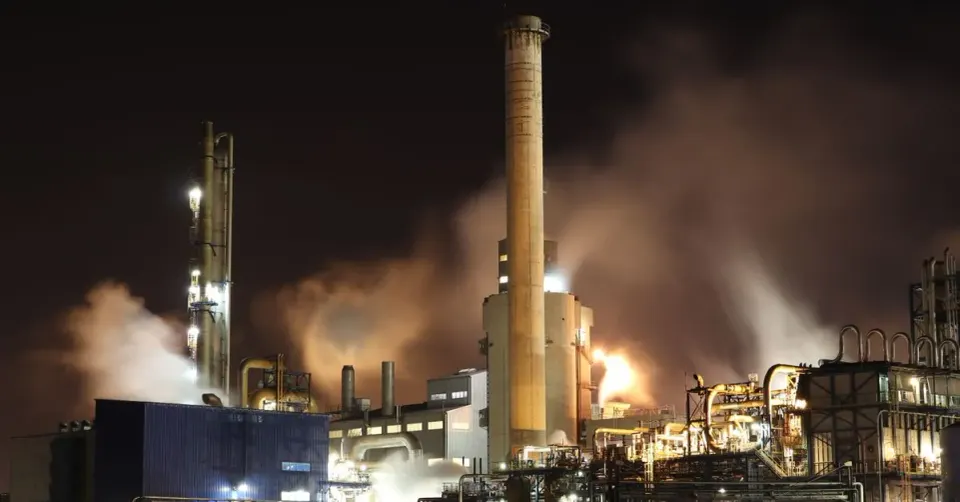
Global energy security faced a fresh challenge today as Saudi Aramco’s 400,000-barrel-per-day Jizan refinery was reportedly hit in a new attack. While the specific perpetrators have not been officially confirmed, the incident occurs amidst escalating Houthi activities in the Red Sea. This strike is particularly critical as Saudi Arabia has been attempting to move more of its oil exports westward to bypass the increasingly volatile Strait of Hormuz. The disruption at such a major refining hub has sent ripples through global markets, with Brent crude and WTI contracts climbing toward seven-week highs. India, a major consumer of regional energy, is already feeling the pinch as high crude and LNG prices squeeze marketing margins for its domestic oil firms.
Amidst this chaos, Oman continues to play its traditional role as a mediator. Spokesperson Baqaei noted that Oman has been acting in "good faith" during recent discussions regarding shipping security in the Strait of Hormuz. These talks are vital for maintaining the flow of global energy, yet the threat of a wider regional conflagration remains high. If the situation in the Red Sea and the Persian Gulf does not stabilize, the cost of insurance for tankers and the underlying price of crude could force a major inflationary spike across the globe, impacting everything from transport costs in Europe to the price of basic goods in Iran.
Global Shifts and the Crypto Landscape
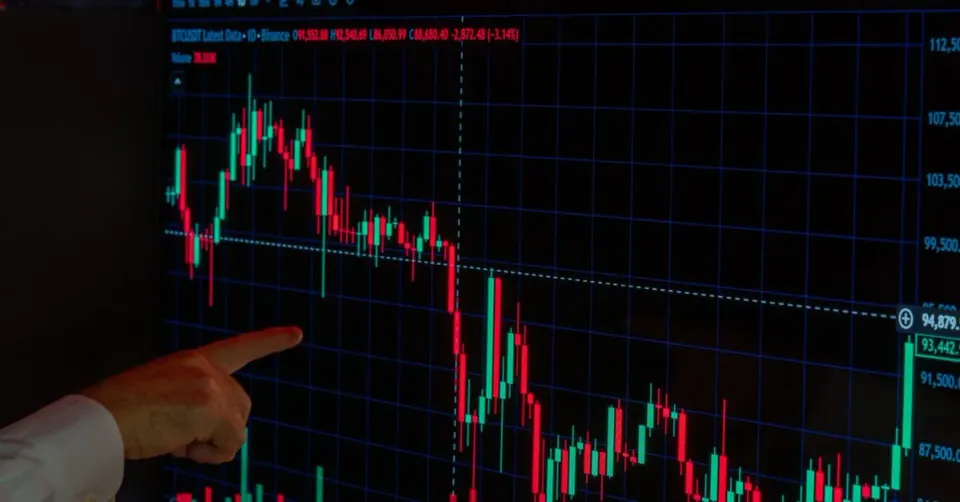
On the international stage, the Trump administration’s "Peace Express" initiative toward Ukraine is facing potential detours. As fighting escalates on the ground, the prospect of a quick diplomatic resolution seems increasingly remote, adding another layer of uncertainty to global risk appetite. This geopolitical backdrop is providing a complex environment for digital assets. Bitcoin is currently trading at $79,607, maintaining a strong position as institutional interest continues to grow. Bitcoin ETFs recently recorded a massive $731 million in daily inflows, suggesting a rotation of capital away from altcoins like XRP and into the relative safety of the market leader.
Interestingly, the privacy-focused cryptocurrency Zcash (ZEC) has surged to its highest price since 2016, with its market cap topping $20 billion. This 45% weekly rally follows the conversion of Grayscale’s Zcash Trust into an ETF, highlighting the growing mainstream acceptance of diverse crypto assets. For Iranian users, who often turn to crypto as a hedge against local inflation, these global trends are essential to monitor. While the Toman is currently holding steady, the long-term outlook remains tied to whether these regional threats translate into actual disruptions of oil flow or further international sanctions.
Frequently Asked Questions
چرا قیمت دلار با وجود تهدیدات نظامی کاهش یافته است؟
حمله به پالایشگاه جیزان چه تاثیری بر قیمت نفت دارد؟
علت جهش ناگهانی ارز دیجیتال زیکش (Zcash) چیست؟
The Strategic Importance of the Strait of Hormuz
The Strait of Hormuz is one of the world's most critical maritime chokepoints, a narrow sea lane connecting the Persian Gulf to the Arabian Sea and the broader Indian Ocean. Located between Iran to the north and Oman and the United Arab Emirates to the south, its strategic significance stems from the immense volume of global oil and liquefied natural gas (LNG) shipments that traverse its waters daily. Roughly one-fifth of the world's total petroleum consumption and a substantial portion of its LNG supply pass through this 21-mile-wide passage, making it an indispensable artery for global energy markets.
This geographical bottleneck is crucial because it is the only sea passage from the Persian Gulf to the open ocean, serving as the primary export route for major oil producers like Saudi Arabia, Iran, Iraq, Kuwait, Qatar, and the UAE. Any disruption or threat to shipping in the Strait of Hormuz, therefore, has immediate and far-reaching implications for international oil prices, energy security, and the global economy. The sheer volume of crude oil and refined products that flow through this strait underscores its unparalleled role in ensuring a stable global energy supply.
Given its strategic importance, the Strait of Hormuz has historically been a flashpoint for geopolitical tensions, particularly involving Iran, which controls its northern flank. Threats to shipping, naval exercises, or actual attacks on energy infrastructure in the region, as alluded to in the headline, can quickly escalate concerns about the security of oil transit. Such events often lead to spikes in crude oil futures, increased insurance premiums for tankers, and a general sense of instability in energy markets worldwide. Understanding the Strait of Hormuz is thus key to comprehending the dynamics of global energy supply and geopolitical risk.
Topics
Related Articles