UK Sanctions Threaten Israeli Settlements; Markets Brace for Iran Tensions
بریتانیا شهرکهای اسرائیلی را تحریم میکند؛ بازارها در انتظار تنشهای ایران
The UK is set to announce sanctions against illegal Israeli settlements, sparking criticism from the US and Israel, while escalating geopolitical tensions. Meanwhile, global fuel markets remain tight, with prices influenced by ongoing conflict involving Iran-backed Houthis and potential Russian responses to Hungarian diplomatic expulsions.
At time of publishing
USD
228,100
Toman
Gold 18K
23.40M
Toman / gram
Bitcoin
$78,443
US Dollar
Tether
227,102
Toman
UK Moves to Sanction Israeli Settlements, Drawing International Fire
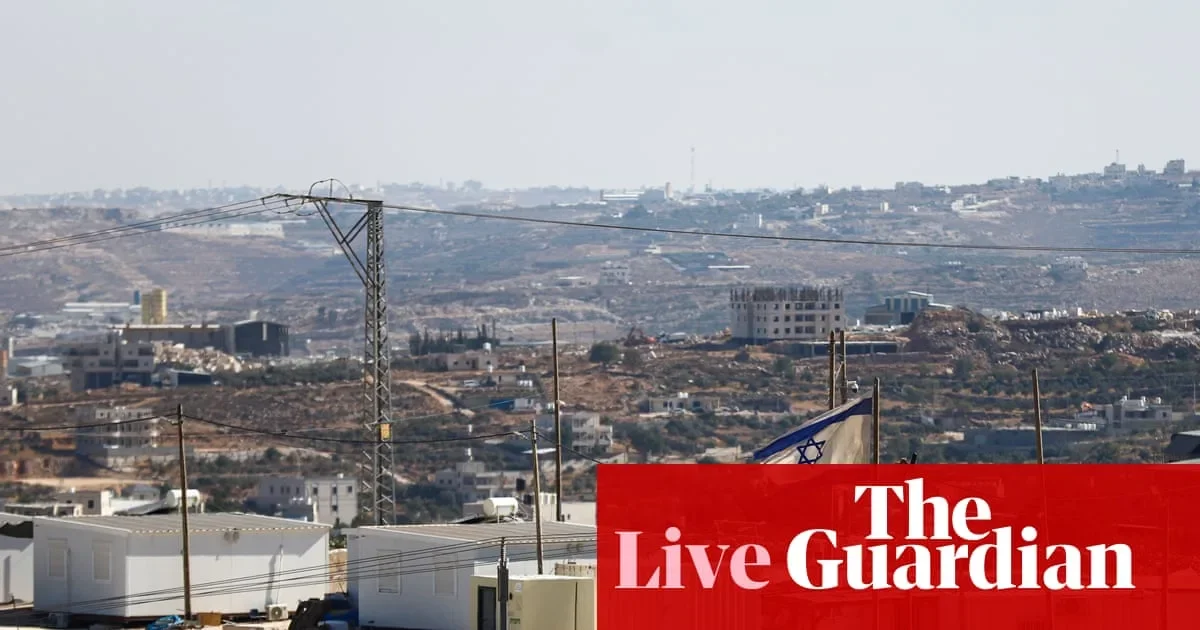
The United Kingdom is reportedly preparing to implement trade sanctions against illegal Israeli settlements in the West Bank, a move that has ignited significant controversy. The plan, intended to reassert support for Palestinian rights and a two-state solution, has drawn sharp criticism from the United States, Israel, and even some British MPs. Israeli President Isaac Herzog warned Britain would be "on the wrong side of history" if the sanctions proceed, while US officials have expressed concern over the potential impact on regional stability.
This policy shift by the UK aims to distinguish itself on the international stage regarding the Israeli-Palestinian conflict. However, the strong backlash suggests a potential diplomatic isolation for London on this issue. The sanctions could impact trade relations and raise questions about the broader implications for international law and the effectiveness of unilateral sanctions in resolving complex geopolitical disputes. For markets, such actions can increase uncertainty, potentially affecting investor sentiment and trade flows in the region, though direct immediate market impact remains to be seen.

---
Tight Global Fuel Markets Face New Pressures Amidst Iran Tensions
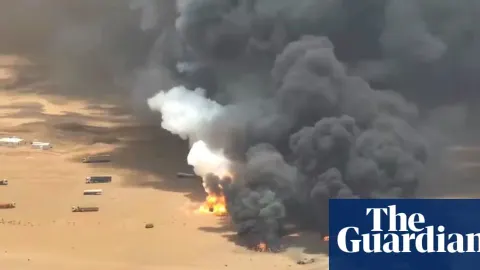
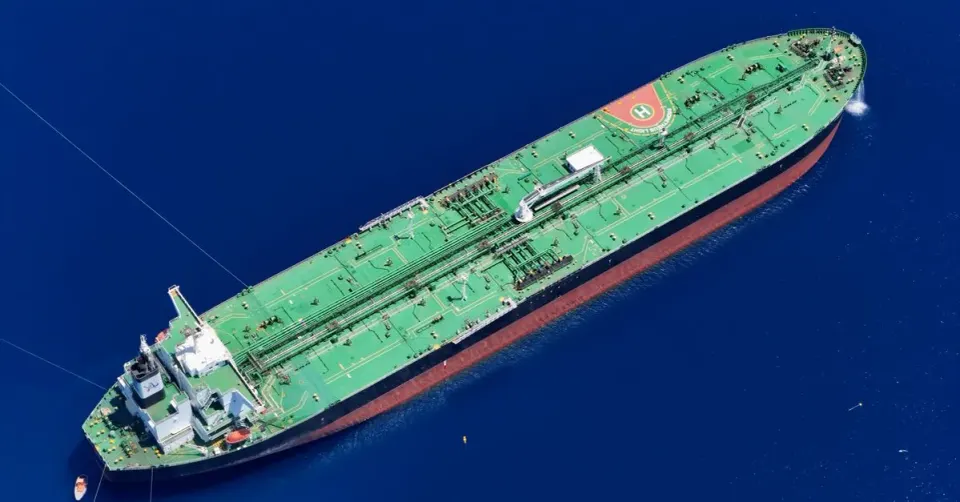
Global fuel markets are described as "tight and inflexible" by industry leaders, with refined product inventories continuing to draw down. This precarious balance is further strained by ongoing hostilities involving Iran-aligned Houthis in Yemen, which have led to attacks on Saudi energy facilities and vows of retaliation. These escalations threaten to reignite a full-blown conflict, directly impacting oil supply routes and regional stability.
The geopolitical backdrop is further complicated by Russia's warning of a "harsh and painful" response to Hungary's expulsion of 10 diplomats. While the direct link to energy markets is less immediate, such diplomatic flare-ups contribute to a general increase in global risk aversion. Traders and policymakers are closely monitoring these developments, as any disruption in the Persian Gulf or a significant escalation in Eastern Europe could rapidly tighten already strained fuel supplies, leading to price volatility.
---
Market Watch: Toman Gains on USD as Gold and Crypto See Mixed Signals
The Iranian Toman has seen a modest gain against the US Dollar over the past 24 hours, with the sell rate moving from 224,200 to 228,100 Toman per USD, a 1.7% appreciation. This movement coincides with a similar 1.7% rise in the price of 18-carat gold per gram and Emami coins, suggesting a broader trend of inflation or a flight to perceived safe-haven assets within the domestic Iranian market.
Globally, cryptocurrency markets are showing mixed signals. While Bitcoin and Ethereum prices are reportedly sliding amid ongoing US-Iran fighting, the broader crypto narrative is complex. Visa's stablecoin settlement volume has surged to an annualized run rate of over $20 billion, indicating significant institutional adoption in the digital payments space. However, concerns remain about blockchain security and regulatory probes, as seen with the Cronos rollback and charges in Poland related to a $100 million crypto fraud. Bitcoin ETFs are also noted to be still $1 billion shy of breaking even for 2026, highlighting the ongoing volatility and speculative nature of the digital asset class.
Frequently Asked Questions
What specific Israeli settlements is the UK planning to sanction?
How are the Houthi attacks in Yemen affecting global fuel markets?
What is the significance of Visa's stablecoin settlement volume growth?
Why did the Iranian Toman appreciate against the US Dollar?
Understanding the Geopolitical Risk Premium
The news headline highlights a critical concept in global finance: the Geopolitical Risk Premium. This refers to the additional cost or return that investors demand for holding an asset, or that consumers pay for a commodity, due to political instability, conflict, or uncertainty in a specific region or globally. It's essentially a market's way of pricing in potential disruptions, supply chain issues, or increased operational costs stemming from non-economic factors. When tensions rise, as with UK sanctions, Iran tensions, or Houthi attacks, markets react by building this premium into prices.
This premium is particularly evident in commodity markets, especially oil. For instance, concerns about Iran's role in regional stability and the Houthi attacks on Red Sea shipping lanes directly threaten the flow of oil through vital chokepoints. Even if actual supply disruptions haven't occurred, the risk of them happening leads traders to demand higher prices for crude oil, reflecting the potential for future scarcity or increased transport costs. This isn't just about current supply and demand; it's about anticipating future political events and their economic fallout.
Beyond commodities, the geopolitical risk premium also influences safe-haven assets like gold. During periods of heightened global uncertainty, investors often flock to gold, perceiving it as a reliable store of value when traditional financial markets or currencies face instability. This increased demand drives up gold prices, further illustrating how market participants seek to protect their wealth against the backdrop of political turmoil.
Ultimately, understanding the geopolitical risk premium is crucial for comprehending how global events, even those seemingly distant, can directly impact our daily lives. From higher fuel prices at the pump to the shifting value of investments, this invisible market force reflects the collective anxiety and anticipation of political developments, shaping economic outcomes far and wide.
Topics
Related Articles