Houthi Strikes on Saudi Oil Facilities Ignite Regional War Fears as Toman Slides 1.8%
حملات حوثیها به تاسیسات نفتی عربستان و جهش نرخ دلار؛ سایه جنگ تمامعیار بر منطقه
A massive Houthi drone and missile attack on Saudi Arabian cities has pushed the Middle East to the brink of a wider conflict, sending oil prices higher and the Iranian Toman lower. Meanwhile, the UK prepares to slap sanctions on illegal Israeli settlements, marking a major diplomatic shift.
At time of publishing
USD
228,200
Toman
Gold 18K
23.57M
Toman / gram
Bitcoin
$78,310
US Dollar
Tether
228,001
Toman
Houthi Strikes on Saudi Arabia Signal Major War Expansion
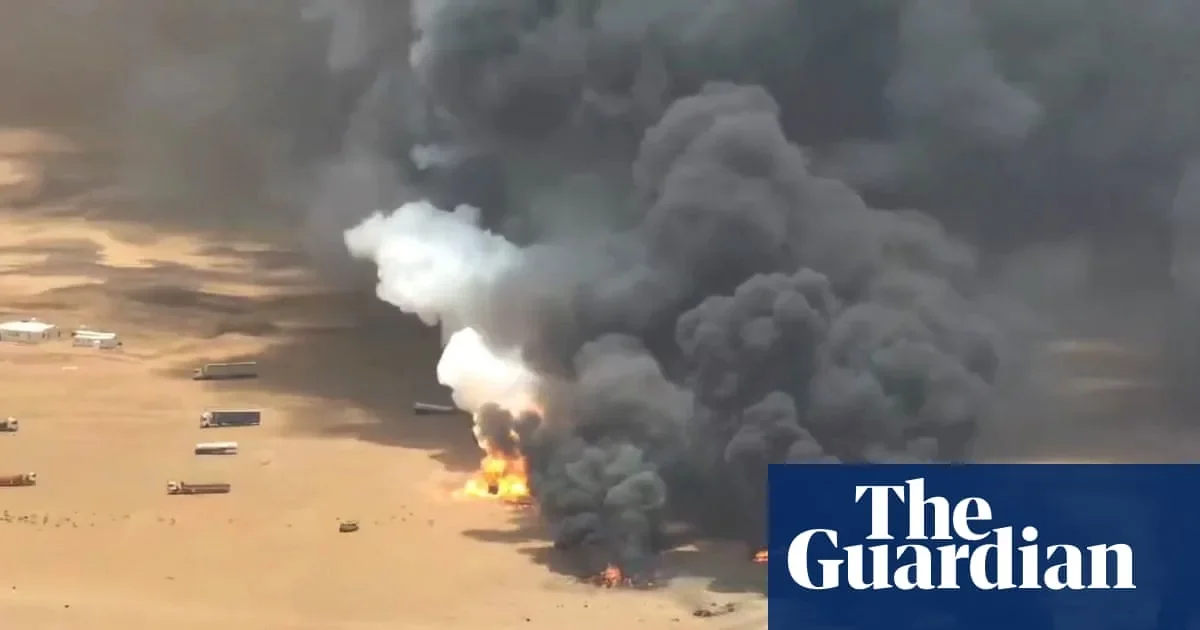
The Middle East has entered a dangerous new phase this afternoon as Yemen’s Houthi rebels launched a coordinated, large-scale offensive against four major Saudi Arabian cities. Reports indicate that dozens of drones and missiles targeted critical oil infrastructure in the kingdom’s southern regions, leaving at least 70 people wounded and several installations ablaze. This isn't just another border skirmish; it is a significant expansion of the regional conflict that threatens to drag Saudi Arabia and the Iran-backed militia back into a state of full-blown, direct warfare. Riyadh has already issued a stern vow of retaliation, suggesting that the relative restraint seen in recent months has evaporated in the face of this direct assault on its economic heartland.
For the global energy market, the timing could not be worse. The strikes come at a moment when the regional security architecture is already under immense strain due to ongoing friction between the U.S. and Iran. The immediate reaction in the oil markets was a sharp spike in prices, as traders price in the risk of a prolonged disruption to Saudi output. While the full extent of the damage to the oil facilities is still being assessed, the psychological impact on the market is clear: the "geopolitical risk premium" is back with a vengeance. For Iranian observers, this escalation is a double-edged sword; while it may temporarily boost oil revenues for regional producers, the resulting instability is putting immediate downward pressure on the Toman as capital seeks safety.
Global Markets Shudder as Hormuz Tensions Persist
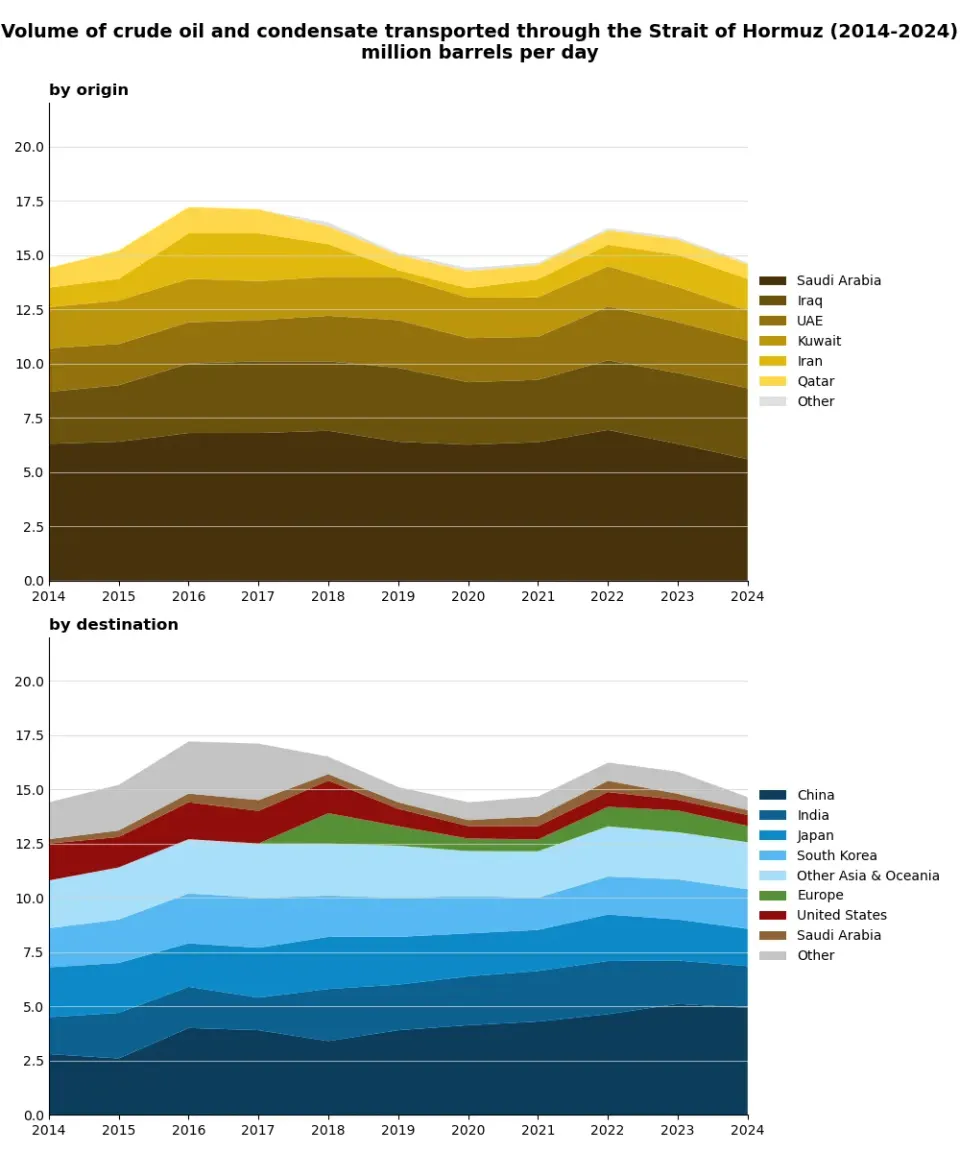
The shockwaves from the Gulf are being felt acutely on Wall Street and in Asian trading hubs. The Dow Jones Industrial Average slid 400 points today as investors reacted to the combined news of the Houthi attacks and continued U.S.-Iran military friction. Market participants are increasingly concerned that the "tit-for-tat" cycle of violence is becoming the new normal, making long-term investment planning nearly impossible. Global fuel markets are described by industry leaders, including the CEO of Vitol, as "tight and inflexible," meaning any further disruption to the flow of crude could lead to a dramatic price ceiling breach. This volatility is not just a spreadsheet problem; it translates directly into higher shipping costs and inflationary pressure across the globe.
Interestingly, some regional players are already moving to insulate themselves from the chaos in the Strait of Hormuz. Kuwait Petroleum Corporation (KPC) has reportedly managed to ramp up its crude exports to 1 million barrels per day by utilizing ship-to-ship (STS) transfers outside the volatile strait. This workaround highlights the growing desperation among Gulf producers to maintain cash flow while the primary maritime artery remains a potential combat zone. However, these logistical gymnastics come at a cost, and they do little to calm the broader market's nerves. As long as the threat of a closed or contested Hormuz remains, the global economy will remain on a hair-trigger, with silver and gold prices continuing their upward march as traditional safe havens.
UK Breaks Ranks with Sanctions on Israeli Settlements
In a move that has sent shockwaves through the diplomatic community, the United Kingdom is set to impose trade sanctions on illegal Israeli settlements in the West Bank. Foreign Secretary Ed Miliband is expected to make a formal statement in the Commons today, reasserting Britain’s support for Palestinian rights and a two-state solution. This represents a hardened stance from London, which has historically been one of Israel’s most reliable allies. The proposed ban on trade with settlements in Judea and Samaria has already drawn fierce criticism from Israeli President Isaac Herzog, who warned that the UK would be on the "wrong side of history." The move suggests that the international community's patience with settlement expansion is reaching a breaking point, even among traditional Western partners.
This policy shift is more than just symbolic; it signals a potential domino effect where other European nations might follow suit, further isolating the current Israeli administration. For the broader Middle East, this adds another layer of complexity to an already volatile situation. While the UK focuses on diplomatic and economic pressure, the lack of a unified Western front on regional issues continues to leave a vacuum that other powers are eager to fill. The upcoming BRICS summit is already being touted as a potential venue for a new ceasefire framework, as member states look to leverage their relationships with both Tehran and its rivals to find a path out of the current spiral of violence.
Toman and Gold React to Regional Instability
On the domestic front, the Iranian Toman is feeling the heat of the regional firestorm. In the last 24 hours, the USD/IRR exchange rate moved from 224,200 to 228,200, a significant 1.8% depreciation. This slide reflects the market's anxiety over the Houthi-Saudi escalation and the potential for direct Iranian involvement in the aftermath. When regional tensions flare, the informal market in Tehran typically reacts within minutes, and today was no exception. The demand for hard currency has spiked as households and businesses look to protect their purchasing power against the backdrop of a potential widening war.

Gold has also seen a dramatic surge, with the price of 18k gold per gram rising from 23,011,219 to 23,565,261 Toman, a 2.4% jump. This domestic increase is being driven by a "perfect storm" of a weakening Toman and a global gold price that has hit $4,408 per ounce. The Emami coin followed suit, rising 1.7% to reach 234,000,000 Toman. For the average Iranian, these numbers represent a tightening economic vise. As the cost of gold and dollars rises, the price of imported goods and general inflation are sure to follow, making the geopolitical developments in the Gulf a matter of direct survival for many families.
Frequently Asked Questions
Why did the Toman drop 1.8% today?
What is the impact of the Houthi attacks on global oil?
What does the UK's sanction on Israeli settlements mean?
Geopolitical Risk: How Regional Conflicts Shake Currencies and Commodity Markets
Geopolitical risk refers to the possibility of political events, conflicts, or instability in a region impacting global markets and economic stability. These risks can range from armed conflicts and terrorist attacks to political coups or major policy shifts. When such events occur in strategically vital areas, particularly those rich in natural resources like the Middle East, their ripple effects can be felt worldwide. The recent Houthi strikes on Saudi oil facilities, for instance, immediately trigger concerns about regional war escalation, demonstrating how localized conflicts can quickly become global economic stressors.
One of the most immediate and visible impacts of escalating geopolitical risk is on a nation's currency. Increased uncertainty and fear often lead to a loss of investor confidence, prompting capital flight as both domestic and foreign investors move their assets to safer havens. This exodus of capital reduces demand for the local currency, causing its value to depreciate significantly. For instance, the reported slide of the Toman (Iran's currency) reflects this dynamic, as regional instability makes the local economy appear riskier, deterring investment and potentially fueling inflation due to more expensive imports.
Beyond currency, geopolitical risks profoundly affect commodity markets, especially oil. The Middle East is a pivotal region for global oil production and transportation, with critical choke points like the Strait of Hormuz. Attacks on oil facilities or threats to shipping lanes create immediate concerns about supply disruptions, leading to a surge in global oil prices. This not only impacts consumers at the pump but also increases production costs for industries worldwide, potentially slowing global economic growth.
Understanding geopolitical risk is crucial for comprehending the volatility of financial markets and the broader economic landscape. These events are not isolated incidents; they are interconnected with global trade, investment flows, and the price of essential commodities. For individuals, it can mean higher prices for goods and services, while for governments and businesses, it necessitates careful strategic planning to mitigate the economic fallout from an unpredictable world.