Novartis Trial Failure Sparks Biopharma Rout as Gulf Tensions Push Toman to 229,000
سقوط سهام دارویی در بازارهای جهانی و جهش قیمت دلار در تهران؛ سایه جنگ بر سر بازارهای انرژی
A major clinical failure for Novartis has triggered a broad selloff in the biopharma sector, while escalating Houthi attacks on Saudi energy facilities have pushed the Toman down 2.1% as oil nears the $100 mark.
At time of publishing
USD
229,000
Toman
Gold 18K
23.65M
Toman / gram
Bitcoin
$78,300
US Dollar
Tether
227,400
Toman
Biopharma Sector Shaken by Novartis Clinical Setback
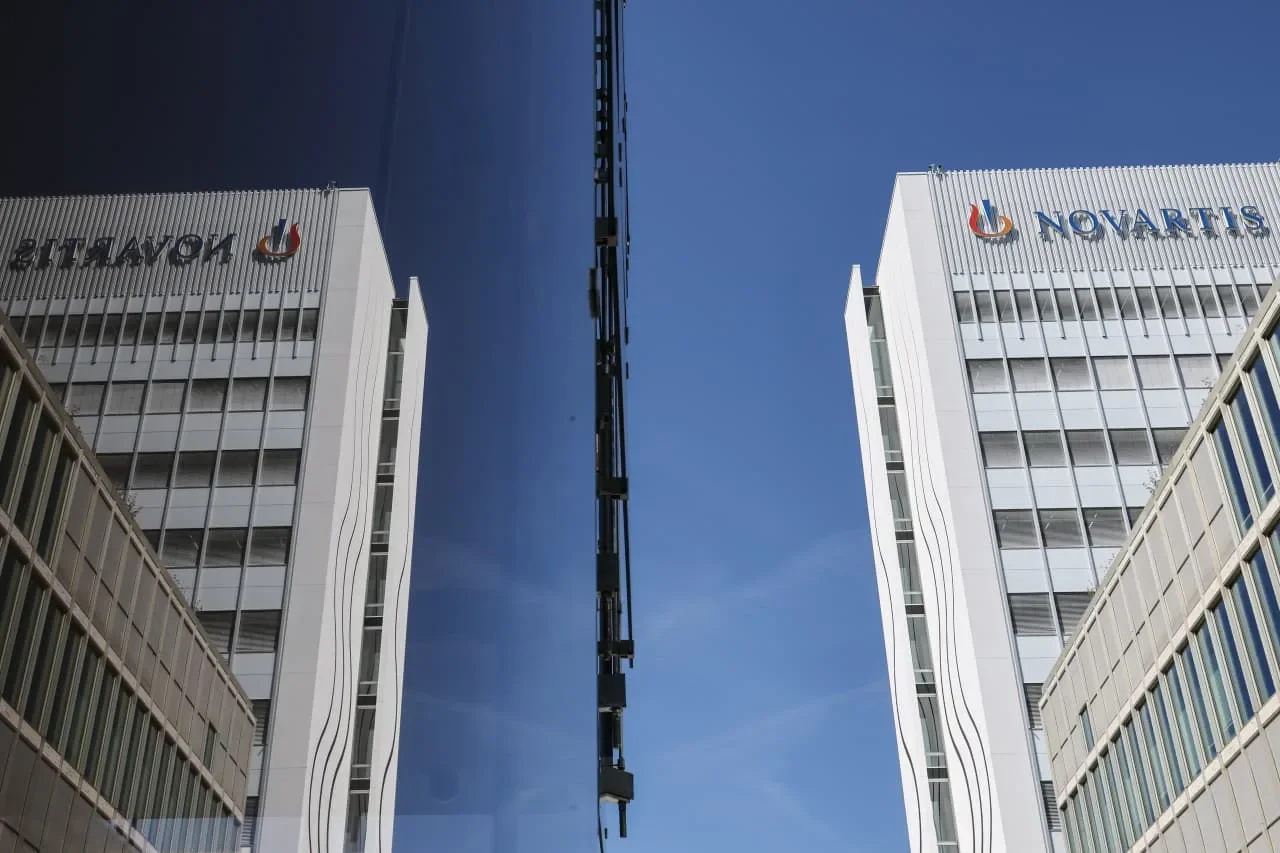
The global pharmaceutical market faced a significant headwind this Tuesday as Novartis announced the failure of a high-stakes clinical trial for its experimental cholesterol-lowering drug. The drug, which targeted Lp(a)—a genetically determined type of cholesterol that traditional statins cannot reach—was seen as a potential multi-billion dollar blockbuster. Its failure has not only erased billions from Novartis’s market capitalization but has also triggered a defensive retreat across the entire biopharma sector. Investors, who had priced in high expectations for this new class of cardiovascular treatments, are now reassessing the risk profiles of competitors working on similar therapies.
This sector-specific rout contributed to a broader 500-point selloff in the Dow Jones Industrial Average, as the market grapples with a combination of disappointing corporate data and heightened geopolitical risk. For the average investor, this volatility serves as a reminder of the fragility of growth-oriented sectors in a high-interest-rate environment. When a titan like Novartis fails to meet its primary endpoints, it casts a shadow over the R&D pipelines of smaller biotech firms that lack the diversified revenue streams to weather such storms. The ripple effect is being felt in Tehran as well, where global market instability often accelerates the flight to safe-haven assets like gold and hard currency.

Gulf Escalation and the Toman's Rapid Decline
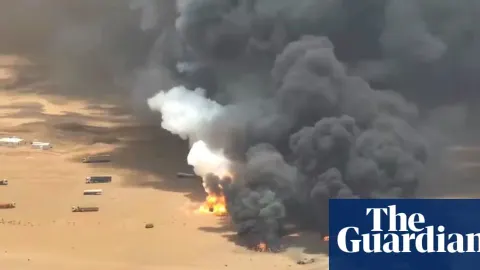
Geopolitical tensions in the Middle East reached a new boiling point as Saudi Arabia vowed a decisive response following a series of Houthi-led attacks on cities and energy facilities. According to Saudi authorities, the strikes resulted in at least 73 injuries and ignited fires at critical oil infrastructure. This escalation comes at a precarious time for global energy markets, with Brent crude oil now looming near the $100-per-barrel threshold. The prospect of a prolonged disruption in the Gulf has reignited fears of a global supply shock, especially as Chinese oil demand shows signs of a rebound, further tightening an already stressed market.
In Tehran, the domestic currency market reacted sharply to these developments. The USD sell rate moved from 224,200 to 229,000 Toman, marking a 2.1% depreciation in just 24 hours. Gold prices followed suit, with 18k gold rising from 23,011,219 to 23,650,676 Toman per gram (+2.8%), while the Emami coin jumped from 230,000,000 to 235,000,000 Toman (+2.2%). This surge reflects a classic defensive posture by Iranian households and traders who view regional kinetic conflict as a precursor to further currency devaluation and inflationary pressure. The "war premium" is now firmly embedded in the price of every asset in the Iranian market.

The Strategic Quagmire: Six Months of US-Iran Conflict
Analysts are increasingly describing the ongoing conflict between the United States, the Israeli regime, and Iran as a "self-made quagmire" for Washington. Six months into a war of aggression that has seen direct strikes and maritime blockades, the global economy is beginning to show deep scars. Independent analysts suggest that the US strategy has failed to achieve its primary objectives, instead leaving the world in a state of diplomatic and economic chaos. The disruption of shipping lanes in the Strait of Hormuz has forced a massive rerouting of global trade, adding layers of cost to everything from consumer electronics to basic commodities.
What this means for the region is a permanent state of high-alert and economic volatility. As the US remains bogged down in this conflict, regional powers are being forced to choose sides or navigate a dangerous middle ground. For Iran, the economic toll is visible in the daily exchange rate fluctuations, but the broader geopolitical impact is the solidification of a "war economy" footing. This environment stifles long-term investment and keeps the population in a cycle of speculative hedging. The lack of a clear exit strategy from any of the involved parties suggests that the current market volatility—characterized by $78,300 Bitcoin and $4,399 gold—is likely to become the new baseline for the foreseeable future.
Nuclear Innovation Amidst Fossil Fuel Chaos
In a rare bright spot for the technology sector, the nuclear energy startup Bluecore Energy announced a successful $50 million seed round just two months after its initial launch. This oversubscribed funding round highlights a growing investor appetite for alternative energy solutions as traditional fossil fuel markets remain hostage to geopolitical strife. Bluecore aims to modernize nuclear reactor designs, making them smaller, safer, and more deployable than the massive plants of the 20th century. The timing of this capital injection is no coincidence; as oil prices flirt with $100, the economic argument for modular nuclear power becomes undeniably stronger.

For the broader tech ecosystem, Bluecore's success signals a shift in venture capital priorities toward "hard tech" and energy sovereignty. While AI continues to dominate headlines, the underlying infrastructure required to power the digital age—and to insulate economies from Middle Eastern oil shocks—is receiving renewed attention. For investors, this represents a long-term hedge against the volatility seen in the currency and commodity markets today. As the world navigates the current quagmire, the development of decentralized and stable energy sources may be the only path toward genuine economic decoupling from regional conflict zones.
Frequently Asked Questions
Why did Novartis stock fall so sharply?
How has the regional conflict affected the Iranian Toman?
What is the significance of the Bluecore Energy funding round?
The Interplay of Geopolitical Risk and Currency Valuation
Geopolitical risk refers to the potential for political events, conflicts, or instability in one region to have far-reaching economic and financial consequences globally. Unlike traditional market risks tied to company performance or economic cycles, geopolitical risk is often unpredictable and can trigger sudden shifts in investor sentiment, commodity prices, and currency valuations. The headline's mention of "Gulf Tensions Push Toman to 229,000" perfectly illustrates this, showing how regional instability directly impacts a national currency.
For economies heavily reliant on a single commodity, like Iran's dependence on oil, geopolitical risks are particularly acute. Tensions in the Persian Gulf, such as Houthi attacks or broader conflicts, can disrupt oil supply routes, leading to spikes in global oil prices. While higher oil prices might seem beneficial for an exporter, the associated geopolitical instability often outweighs these gains. Investor confidence plummets, leading to capital flight and a reluctance to invest, which directly weakens the national currency.
Furthermore, geopolitical tensions frequently lead to international sanctions, limiting a country's access to global financial systems and trade partners. This restricts the flow of foreign currency into the nation, exacerbating currency depreciation. The Iranian Rial (Toman) has historically been highly sensitive to such pressures, reflecting not only the direct economic impact of sanctions but also the market's perception of future stability and the government's ability to manage its economy under duress.
In essence, geopolitical risk acts as a powerful, often destabilizing, force on currency markets. It underscores how political events far from traditional financial centers can dictate the purchasing power of a nation's money, influencing everything from import costs to the daily lives of its citizens. Understanding this intricate relationship is crucial for anyone trying to decipher global economic headlines.