Global Markets Shaken: UK Sanctions Israeli Settlements, US Squeezes Iran's Oil Revenue
بازارهای جهانی متلاطم: بریتانیا شهرکهای اسرائیلی را تحریم کرد، آمریکا درآمدهای نفتی ایران را میفشارد
Major European powers have imposed sanctions on Israeli settlements, citing 'ethnic cleansing,' while the US targets entities facilitating Iran's oil revenue. Meanwhile, UK government bond yields hit a 28-year high, signaling fiscal strain, and the Toman experienced a significant daily jump.
At time of publishing
USD
229,000
Toman
Gold 18K
23.66M
Toman / gram
Bitcoin
$78,759
US Dollar
Tether
228,007
Toman
Western Allies Sanction Israeli Settlements, Citing 'Ethnic Cleansing'
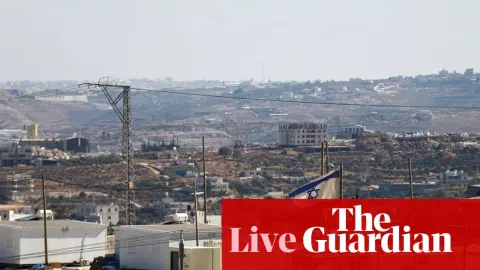
In a significant diplomatic move, Britain, Canada, and France have announced coordinated sanctions targeting Israeli settlements in the West Bank. Britain's foreign secretary explicitly accused Israeli settlers of carrying out the "ethnic cleansing" of Palestinians, stating that Israel had "turned a blind eye" to the violence. This strong condemnation has led to retaliatory measures from Israel, including the closure of the UK consulate in East Jerusalem. The sanctions reflect a growing international pressure on Israel regarding its settlement policy, which is widely considered illegal under international law.
The decision by these key allies signals a hardening stance against settlement expansion and the associated violence. It challenges the status quo and could lead to further diplomatic isolation for Israel if other nations follow suit. For the markets, while not directly impacting major indices, this geopolitical friction adds another layer of uncertainty to regional stability. The direct accusations of "ethnic cleansing" by a UK minister are particularly noteworthy, indicating a potential shift in the language and severity of international criticism.
---
US Intensifies Pressure on Iran's Oil Revenue
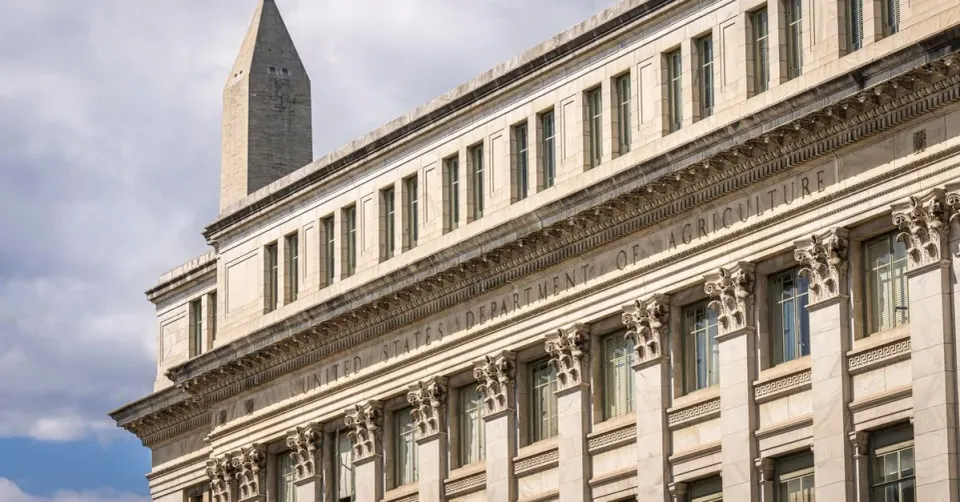
The United States Treasury Department has designated Istanbul-based Golden Global Yatirim Bankasi Anonim Sirketi and two subsidiaries for allegedly facilitating Iran's oil revenue and providing access to the international financial system. This move is part of Washington's ongoing campaign to squeeze Tehran's economy through financial sanctions. By targeting financial intermediaries, the US aims to cut off crucial funding streams that support Iran's government and its activities.
This action directly impacts Iran's ability to monetize its oil exports, a critical source of income. It also sends a strong signal to other financial institutions globally about the risks of engaging with Iranian entities. For the Iranian economy, already under pressure from existing sanctions, this could lead to further currency depreciation and inflation. The Toman's significant daily jump of +2.1% from 224,200 to 229,000 IRR per USD today underscores the ongoing volatility and sensitivity of the Iranian currency to such geopolitical and economic pressures. The US strategy appears to be a sustained effort to impose maximum economic pain without direct military engagement.
---
UK Government Faces Fiscal Headwinds as Bond Yields Surge
The UK government was compelled to pay the highest interest rate on its 30-year bonds since 1998, borrowing £4 billion at a yield of 5.82%. This development underscores the significant fiscal challenges confronting the British Treasury, particularly Chancellor John Healey. The surge in yields echoes a broader global bond market sell-off, increasing the cost of government borrowing across major economies.
This elevated interest rate on long-term debt poses a substantial risk to the UK's public finances. It threatens to consume a significant portion of the expected fiscal headroom, potentially limiting the government's ability to fund public services or implement desired economic policies. For investors, it signals a period of higher borrowing costs and potential economic uncertainty. The necessity of offering such high rates reflects market concerns about inflation, government debt levels, or future economic stability, forcing the Treasury to offer a more attractive return to secure necessary funding.

---
Geopolitical Tensions Simmer Amidst Worker Strikes and Legal Rulings
In Paris, workers at the Eiffel Tower initiated a strike, leading to the closure of the iconic landmark. The action was reportedly prompted by a union's claim that female staff members were asked to leave their posts during a visit by a Hindu group known as BAPS. This incident highlights potential labor disputes and cultural sensitivities that can disrupt major global attractions.
Meanwhile, in the United States, a federal appeals court dismissed a lawsuit from Jackson, Mississippi residents who claimed a constitutional right to clean water. The ruling from the fifth circuit court of appeals upheld a lower court's decision, stating that the federal constitution does not guarantee such a right. This legal outcome has significant implications for environmental justice advocates and communities struggling with water quality issues, raising questions about accountability and the extent of constitutional protections for basic human needs.

Frequently Asked Questions
What specific actions did the UK, Canada, and France take against Israeli settlements?
How are US sanctions affecting Iran's oil revenue?
What does the surge in UK government bond yields signify?
What was the daily change in the Iranian Toman against the USD?
Why did workers strike at the Eiffel Tower?
Understanding Economic Sanctions: Tools of Geopolitics
Economic sanctions are non-military penalties imposed by one or more countries, or international organizations, against a target country, entity, or individual. Their primary goal is to coerce a change in behavior without resorting to armed conflict. These measures can take various forms, including trade embargoes, asset freezes, travel bans, restrictions on financial transactions, and limitations on access to specific technologies or goods. The recent UK sanctions on Israeli settlements and US sanctions squeezing Iran's oil revenue are prime examples of states leveraging economic power to achieve foreign policy objectives.
The mechanism through which sanctions operate is by limiting the target's access to the global economy. For a country like Iran, whose economy heavily relies on oil exports, sanctions that restrict its ability to sell oil or process payments for those sales directly cut off a vital source of foreign currency. This reduction in foreign currency inflow makes it harder for the sanctioned country to import essential goods, pay for international debts, or stabilize its own currency. The US Treasury, for instance, plays a crucial role in enforcing such financial restrictions globally.
The impact on the target nation's economy can be severe and far-reaching. A common consequence is the depreciation of the local currency, as seen with the Iranian Toman. With less foreign currency entering the country, the demand for local currency in international markets falls, and its purchasing power diminishes. This often leads to rampant inflation, as imported goods become more expensive, and can trigger economic instability, reduced investment, and a decline in living standards for ordinary citizens. While the effectiveness and ethical implications of sanctions are frequently debated, they remain a powerful and widely used tool in international relations.