Brent Hits $100 Amid US-Iran Naval Clashes as Tehran Shifts Crypto Policy to Bypass Sanctions
نفت ۱۰۰ دلاری شد؛ بازگشت تنشهای دریایی و چراغ سبز جدید تهران به رمزارزها برای دور زدن تحریم
Global oil prices have breached the $100 milestone following a direct naval confrontation in the Gulf, while the Iranian government eases currency rules to allow exporters to use cryptocurrency for imports.
At time of publishing
USD
230,100
Toman
Gold 18K
24.08M
Toman / gram
Bitcoin
$79,550
US Dollar
Tether
229,901
Toman
Oil Breaches $100 as Naval Tensions Explode
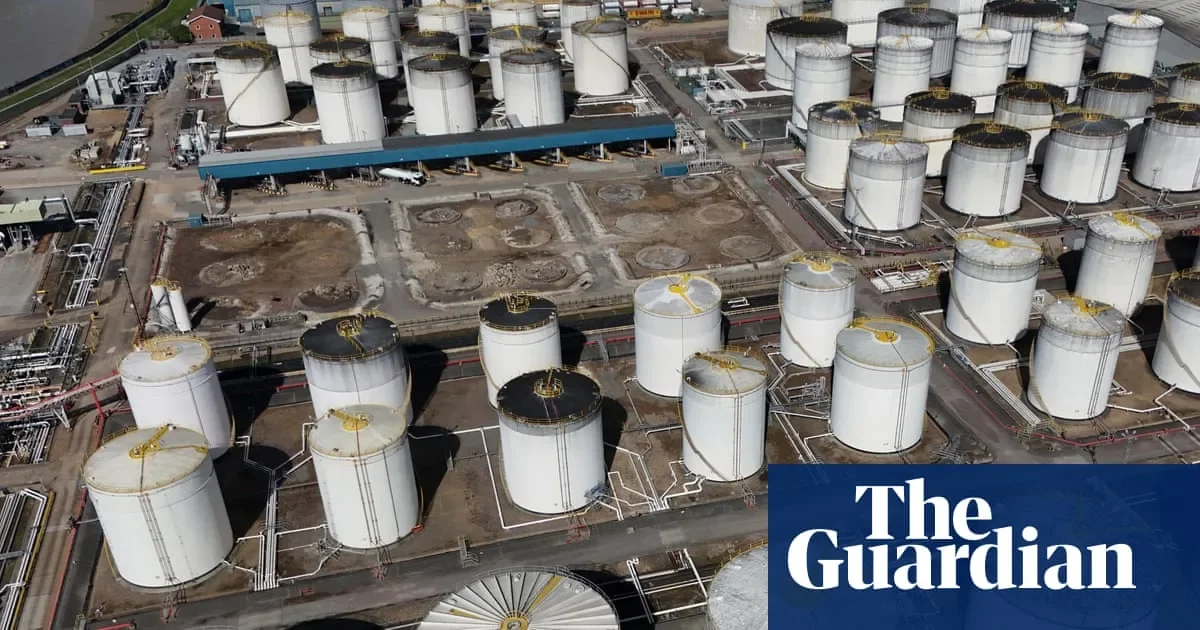
For the first time since late July, Brent crude has surged past the $100 per barrel mark, hitting $100.12 in early Wednesday trading. This 2.1% jump is the direct result of a significant escalation in the Persian Gulf, where the U.S. military reportedly destroyed five Iranian crude oil vessels. The disruption has effectively ended any immediate hope for a diplomatic de-escalation between Washington and Tehran, as market participants price in a sustained threat to the world's most critical energy transit routes. The geopolitical premium is now fully baked into energy prices, with WTI crude also rallying by 1.8% in sympathy.
The impact on the Iranian domestic market was immediate and sharp. As news of the naval clash filtered into Tehran's trading floors, the price of gold and hard currency began to climb. The Emami gold coin rose from 235,000,000 to 240,000,000 Toman, a 2.1% increase in just 24 hours. Similarly, 18-karat gold jumped 1.8%, moving from 23,662,218 to 24,082,367 Toman per gram. This flight to safety reflects deep-seated fears among local investors that further military friction will exacerbate existing economic pressures and drive the Rial even lower against the dollar.

Tehran Pivots to Crypto as Sanctions Tighten
In a move designed to mitigate the impact of traditional banking blockades, the Iranian government has reportedly eased currency rules for exporters. According to reports cited by the Financial Times, exporters are now permitted to fund imports using their overseas earnings—specifically through cryptocurrency—without being forced to sell their foreign currency at the government’s artificially low official rates. This policy shift is a pragmatic admission of the difficulties the central bank faces in managing a unified exchange rate while under intense international pressure. By allowing businesses to bypass the official NIMA system, the state hopes to maintain the flow of essential goods into the country.
Simultaneously, the global crypto landscape is seeing its own institutional evolution. Jack Dorsey’s Block has officially applied for a U.S. trust bank charter to create "Builders Bank." Unlike traditional banks, this entity would focus on federally supervised digital asset custody for Bitcoin and stablecoins without accepting deposits or issuing loans. For Iranian users, this institutionalization of Bitcoin in the West represents a double-edged sword: while it validates the asset class they use for survival, it also brings stricter AML (Anti-Money Laundering) compliance that could eventually make international transfers even more scrutinized. Currently, Bitcoin is trading near $79,550, showing resilience despite the broader market volatility caused by rising oil prices.

Trade Wars and Geopolitical Friction
The economic landscape is further complicated by a sharpening trade war between the United States and Canada. The U.S. has slapped a fresh import ban on Canadian alcohol, motorbikes, and other luxury goods, marking a significant deterioration in North American relations. Mark Carney, the former central bank governor, noted that the U.S. appears to be seeking "dependency rather than partnership," a sentiment echoed by Canadian officials who have already begun implementing counter-tariffs. This friction between two of the world's largest trading partners is adding to the global inflationary narrative, as supply chains are once again rerouted and taxed.
In Europe and Australia, domestic political controversies are also simmering. UK Foreign Secretary Ed Miliband is facing internal pushback after defending sanctions on Israeli settlements, a move that has strained ties with the Israeli government. Meanwhile, in Australia, Prime Minister Anthony Albanese is under fire for a $6 million grant given to a golf club where he held a membership. While these stories seem localized, they contribute to a general atmosphere of political instability that keeps markets on edge. For the Iranian observer, these global fractures suggest a world increasingly divided into competing blocs, where economic self-sufficiency and alternative financial systems like crypto are no longer optional but necessary for survival.

Frequently Asked Questions
Why did oil prices jump to $100 today?
Can Iranian exporters now use crypto for imports legally?
What is Jack Dorsey's 'Builders Bank'?
Cryptocurrencies and Sanctions Evasion
Economic sanctions are powerful tools of foreign policy, designed to pressure target countries by restricting their access to the global financial system. These measures typically freeze assets, limit international trade, and cut off access to traditional banking services, making it incredibly difficult for sanctioned nations to conduct business, import essential goods, or even manage their national currency reserves. The goal is to inflict economic pain sufficient to alter a country's behavior or policy.
However, the rise of cryptocurrencies has introduced a novel avenue for sanctioned entities to potentially circumvent these restrictions. Unlike traditional fiat currencies, which rely on centralized banking institutions and government oversight, cryptocurrencies like Bitcoin operate on decentralized blockchain networks. This means transactions can occur peer-to-peer without the need for intermediaries like banks, making them harder for international bodies or sanctioning states to monitor, block, or control.
Countries facing severe sanctions, such as Iran, have explored and in some cases implemented strategies to leverage cryptocurrencies for international trade. By facilitating payments in digital assets, they aim to bypass the SWIFT system and other conventional financial channels that are susceptible to sanctions enforcement. This can involve direct crypto-for-goods exchanges, using stablecoins pegged to fiat currencies, or even developing state-backed digital currencies for specific trade purposes. While offering a potential lifeline, these methods also come with significant challenges, including price volatility, the need to find willing trading partners, and the constant risk of advanced blockchain analytics tools tracing transactions.
The interplay between cryptocurrencies and sanctions evasion represents a significant evolving front in economic warfare. It forces sanctioning powers to adapt their enforcement mechanisms to the digital realm, while sanctioned nations continue to innovate in finding ways to maintain economic lifelines. This dynamic highlights the disruptive potential of decentralized finance to traditional geopolitical strategies and the ongoing tension between financial innovation and regulatory control.