Brinkmanship at $100: US-Iran Naval Escalation as Apple Unveils $2,000 Foldable
نفت در آستانه ۱۰۰ دلار؛ درگیری تانکری ایران و آمریکا و رونمایی از آیفون ۲ هزار دلاری
Global markets are on edge as the US destroys five Iranian tankers following a strike in Jordan, pushing oil toward the $100 mark. Meanwhile, Apple prepares to launch its first foldable, and Bitcoin claws back to $79,000.
At time of publishing
USD
229,000
Toman
Gold 18K
23.81M
Toman / gram
Bitcoin
$78,933
US Dollar
Tether
229,619
Toman
Market Open — September 9, 2026
The Tehran market opens this Wednesday with a sense of cautious stability in the currency sector, even as regional tensions reach a boiling point. The US Dollar remains unchanged over the last 24 hours, holding steady at 229,000 Toman. This flat movement suggests that local traders are currently in a 'wait-and-see' mode, balancing the grim geopolitical headlines against a lack of immediate liquidity shifts in the domestic market.
In contrast, the gold market is showing signs of a flight to safety. 18k gold rose by 0.6% overnight to reach 23,812,272 Toman per gram, while the Emami coin saw a modest 0.2% bump to 235.5 million Toman. Globally, Bitcoin has shown remarkable resilience, recovering from a brief dip to trade back near the $79,000 mark. For the Iranian investor, the divergence between a stagnant dollar and rising gold prices indicates that while the currency is pegged by policy, the underlying fear of escalation is being priced into hard assets.
The Tanker War Returns: Oil Nears $100
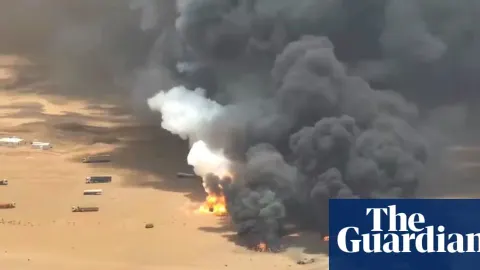
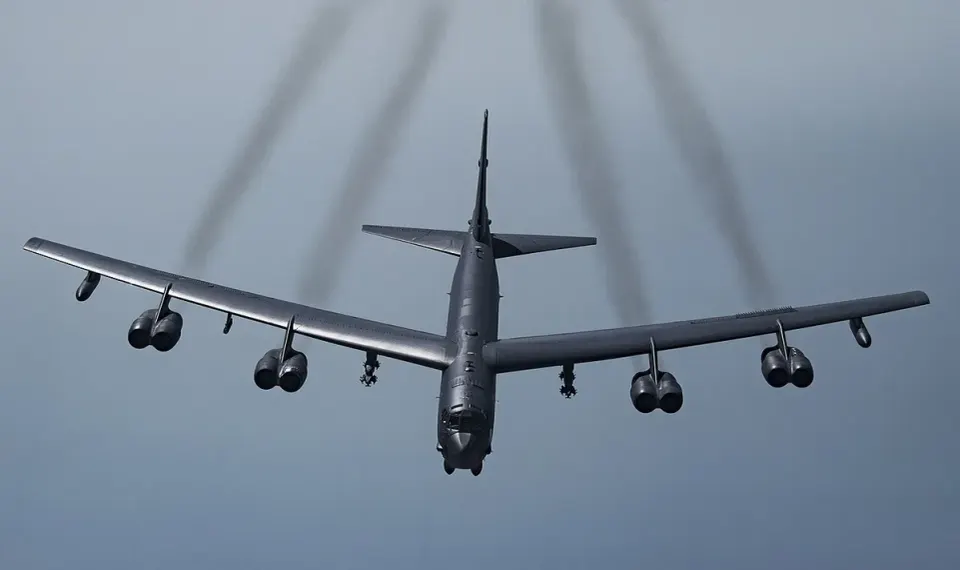
The most significant story overnight is the dramatic escalation in the Persian Gulf and Levant. Following an Iranian-linked strike on an American base in Jordan, U.S. Central Command confirmed the destruction of five Iranian crude tankers. This tit-for-tat cycle has pushed Brent crude toward the psychological $100 barrier, trading at $99.46 at the time of writing. Analysts suggest that Tehran is signaling a readiness to escalate further as economic pressure mounts and its perceived control over the Strait of Hormuz is challenged by increased Western naval presence.
This isn't just a military story; it's an energy crisis in the making. Pakistan is already feeling the brunt, struggling to keep power grids operational after Qatari LNG shipments were delayed due to the volatility in the Strait. While some Qatari tankers are reportedly breaking through, the 'risk premium' on shipping is skyrocketing. For Iran, the loss of five tankers is a severe blow to its shadow fleet operations, which are the lifeblood of its sanctioned oil exports. If Brent stays above $100, the global inflationary pressure could force the hand of central banks worldwide, complicating the 'soft landing' narrative.
Trump’s Trade War Hits Canada and Nepal
Beyond the Middle East, the Trump administration’s 'America First' policy is causing ripples across both hemispheres. A full-scale trade war with Canada has intensified, with the U.S. slapping import bans on Canadian alcohol and motorbikes. This move has directly impacted the markets, with Canadian aircraft manufacturer Bombardier seeing its stock price plummet after threats of a total ban unless production moves to U.S. soil. Canadian Prime Minister Mark Carney has doubled down, stating that retaliation is unavoidable and signaling a strategic pivot away from U.S. economic dependency.
Simultaneously, the human cost of these policy shifts is becoming visible in South Asia. Relief workers in Nepal are reporting a devastating gap in flood recovery efforts following significant cuts to U.S.A.I.D. funding. The agency, which was instrumental during the 2015 earthquake, is now a shadow of its former self under the new administration’s budget priorities. This retreat from global humanitarian leadership is creating a vacuum that other regional powers may look to fill, further shifting the geopolitical balance of power away from Washington.
Apple’s $2,000 Gamble and Crypto’s Recovery
In the world of technology, all eyes are on Cupertino. Just hours before the first launch event under new CEO John Ternus, reports have leaked that Apple will finally unveil its foldable device, dubbed the 'iPhone Duo.' With a reported starting price of $2,000, Apple is positioning the device as an ultra-premium productivity tool rather than a mass-market phone. This launch is a critical test for Apple’s post-Jobs/Cook innovation cycle and its ability to compete with Samsung and Huawei in the high-end foldable segment.

On the digital asset front, Bitcoin has managed to claw back most of its Tuesday losses, trading firmly at $78,933. The recovery was bolstered by news of Grayscale’s Zcash ETF crossing the $500 million mark, signaling that institutional appetite for diversified crypto exposure remains high despite the geopolitical noise. While the 'digital gold' narrative for Bitcoin is being tested by the actual rise in physical gold prices, the crypto market's ability to hold the $78k support level suggests a strong underlying bullish sentiment for the remainder of the month.
Frequently Asked Questions
چرا قیمت نفت به مرز ۱۰۰ دلار رسیده است؟
آیفون دوئو (iPhone Duo) چیست و چه قیمتی دارد؟
وضعیت بازار ارز تهران در میان این تنشها چگونه است؟
The Strait of Hormuz: A Global Chokepoint for Oil
The Strait of Hormuz is a narrow, strategically vital waterway connecting the Persian Gulf to the Arabian Sea and the broader Indian Ocean. At its narrowest point, it is only about 21 nautical miles (39 kilometers) wide, with shipping lanes just two miles (3.2 km) wide in each direction. This geographical constriction makes it an indispensable chokepoint for global maritime trade, particularly for oil.
Its significance stems from the fact that a substantial portion of the world's seaborne oil — roughly one-fifth of global consumption and about one-third of all seaborne crude oil and petroleum products — passes through this strait daily. Countries like Saudi Arabia, Iran, Iraq, Kuwait, Qatar, and the UAE rely on it to export their vast oil and gas reserves to international markets. Any disruption here has immediate and far-reaching implications for global energy supplies and prices.
Geopolitically, the Strait of Hormuz is a frequent flashpoint for regional tensions, especially involving Iran, which borders its northern coast. The headline's mention of "US-Iran Naval Escalation" directly relates to the strategic importance of this waterway. Threats to close the Strait, or incidents involving tankers, can quickly escalate, leading to increased shipping insurance costs, rerouting of vessels, and significant spikes in crude oil prices, as seen with Brent crude approaching $100 a barrel. Such events underscore the delicate balance of power and the critical need for freedom of navigation in this crucial corridor.
Understanding the Strait of Hormuz is key to grasping the interplay between geopolitics, energy markets, and global economic stability. Its status as a vital artery means that events, however localized, can send ripples across the entire world economy, affecting everything from gasoline prices at the pump to the strategic calculations of major world powers.