Oil Hits $100 as Iran Strikes US Base in Jordan; Tech Job Crisis Looms Over Retail Automation
جهش نفت به ۱۰۰ دلار با حمله ایران به پایگاه آمریکا؛ هشدار بحران شغلی در پی هوشمندسازی خردهفروشی
Global markets are reeling as Brent crude hits $100 following an Iranian strike on a US base in Jordan. Simultaneously, a major US labor report warns that electronic shelf technology could trigger massive job losses and predatory pricing.
At time of publishing
USD
233,200
Toman
Gold 18K
24.17M
Toman / gram
Bitcoin
$78,891
US Dollar
Tether
233,139
Toman
The Hidden Cost of High-Tech Groceries
While geopolitical tensions dominate the headlines, a significant shift in the retail landscape is raising alarms for workers and consumers alike. A new report by the AFL-CIO Tech Institute warns that the universal adoption of electronic shelf labels (ESLs) in grocery stores could lead to the elimination of up to 191,000 jobs and a staggering $6.9 billion in lost annual wages. These digital displays, often marketed as a tool for efficiency, are increasingly being viewed as a mechanism for 'surveillance pricing.' This practice allows retailers to use algorithmic data to change prices in real-time, potentially targeting consumers when they are most vulnerable or when demand is highest.
The implications of this technology extend far beyond simple price updates. By automating the labeling process, companies are removing the need for manual labor, which traditionally served as a check on pricing errors and provided stable employment for thousands. The report suggests that the cost-cutting benefits of ESLs are rarely passed on to the consumer; instead, they facilitate a volatile pricing environment where the cost of basic goods can fluctuate multiple times a day. For the average household, this means less predictability in budgeting and a higher likelihood of paying a premium for essentials during peak shopping hours.

Direct Conflict: Iran Strikes US Base in Jordan
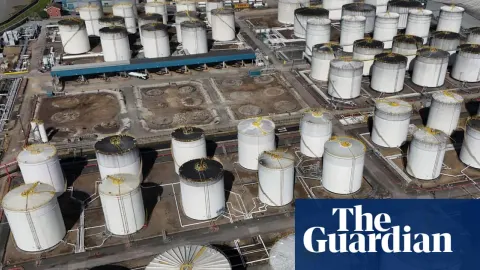
The shadow war between Washington and Tehran has broken into open confrontation. Iran's Revolutionary Guards confirmed on Wednesday that they launched a targeted attack on a US military base in Jordan. This move was explicitly framed as retaliation for the US destruction of five Iranian oil tankers just a day prior—an incident that had already sent shockwaves through energy markets. The escalation marks a dangerous new chapter in regional instability, as both sides move from proxy skirmishes to direct kinetic strikes on high-value assets.
As a direct consequence of this military flare-up, Brent crude has surged past the $100 per barrel mark for the first time since July. This psychological and economic threshold is already being felt by consumers globally. In the United Kingdom, petrol prices saw their sharpest weekly increase since April, rising by 5p per litre to reach 167.17p. The ripple effects of $100 oil are pervasive, threatening to reignite inflation in Western economies and complicating the efforts of central banks to stabilize interest rates. For Iran, while higher oil prices theoretically increase revenue, the physical loss of tankers and the threat of total naval blockade present an existential risk to its primary export channel.

Toman and Gold Spike Under War Pressure
The domestic Iranian market has responded to the military escalation with predictable volatility. The US Dollar (USD) on the open market rose from 229,100 to 233,200 Toman, a 1.8% increase in a single day. This devaluation of the local currency is mirrored by a massive flight to safety in the precious metals sector. 18-karat gold jumped 2.1% to reach 24,170,090 Toman per gram, while the benchmark Emami coin surged 2.8% to 241,500,000 Toman. These movements reflect a deep-seated anxiety among the public, who are once again seeing their purchasing power eroded by geopolitical gambles they have no control over.
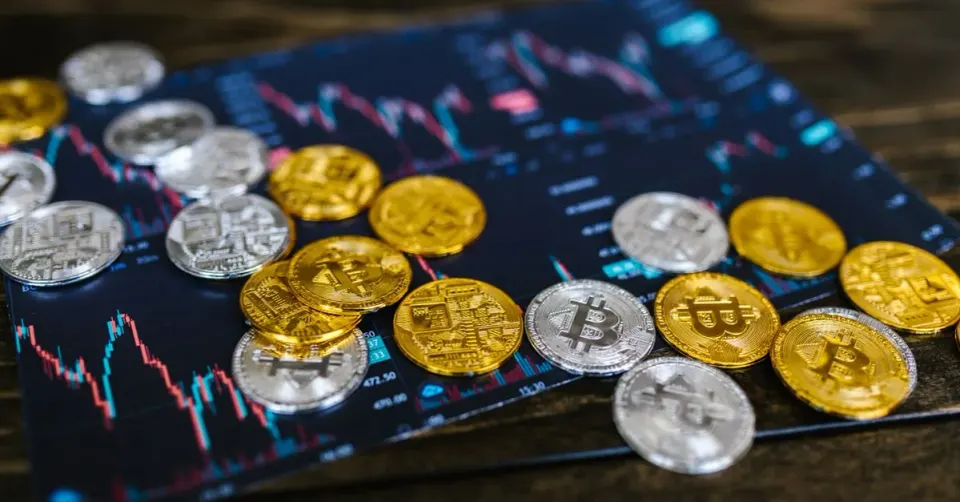
Interestingly, the crypto market is showing a unique decoupling. Bitcoin (BTC) advanced to $78,891, seemingly tracking the movement of gold rather than traditional equities. As European and American stock markets dipped on news of the Jordan strike, crypto and gold stood out as the preferred 'safe havens' for digital and physical capital. This trend suggests that in the 2026 financial landscape, Bitcoin has matured into a geopolitical hedge, serving as a liquidity lifeboat for those looking to bypass the instability of traditional fiat systems and the immediate impact of regional wars.
Frequently Asked Questions
Why did oil prices reach $100 today?
How did the Iranian market react to the military escalation?
What is 'surveillance pricing' in retail?
Understanding the Geopolitical Risk Premium on Oil Prices
When headlines like "Oil Hits $100 as Iran Strikes US Base in Jordan" emerge, the immediate surge in crude oil prices is not merely a reaction to current supply levels. Instead, it often reflects what economists call the geopolitical risk premium. This premium is an added cost built into the price of a commodity, particularly oil, to account for potential future supply disruptions arising from political instability, conflicts, or other non-economic events in key producing or transit regions. Given that a significant portion of the world's oil supply originates from or passes through geopolitically sensitive areas like the Middle East, any perceived threat to this flow can trigger a rapid re-evaluation of oil's value.
The mechanism behind this premium is multifaceted. Firstly, actual supply disruptions, such as damaged infrastructure or blockades, directly reduce available oil, driving prices up. More commonly, however, it's the fear of such disruptions that fuels the premium. Traders and investors, anticipating potential shortages or prolonged instability, may engage in speculative buying, hoarding, or demand higher prices for future contracts. This speculative behavior, driven by uncertainty and the desire to hedge against future price spikes, can create significant upward pressure on prices even before any physical supply has been impacted. Strategic chokepoints, like the Strait of Hormuz, through which a substantial volume of global oil trade passes, are particularly sensitive to geopolitical tensions.
The consequences of a rising geopolitical risk premium on oil are far-reaching. For consumers, it translates into higher fuel costs, impacting transportation, manufacturing, and ultimately, the prices of goods and services – contributing to inflation. For businesses, especially those reliant on energy-intensive operations, it means increased operational costs. Central banks may face pressure to adjust monetary policy to counteract inflationary pressures, potentially slowing economic growth. This inherent volatility introduced by geopolitical events underscores the global interconnectedness of energy markets, political stability, and economic well-being, making the geopolitical risk premium a critical concept for understanding global economic dynamics.