Escalation in the Gulf: Tehran Strikes US Base as USD Hits 233,000 and AI Safety Warnings Mount
تنش در خلیج فارس؛ حمله موشکی ایران به پایگاه آمریکا و جهش دلار به کانال ۲۳۳ هزار تومان
Geopolitical tensions have reached a boiling point as Iran retaliates against US tanker strikes with missile attacks in Jordan, driving the USD/IRR rate up by 1.8%. Meanwhile, an Anthropic researcher warns of a 10% chance that AI could lead to human extinction, casting a shadow over the tech sector.
At time of publishing
USD
233,300
Toman
Gold 18K
24.12M
Toman / gram
Bitcoin
$79,384
US Dollar
Tether
232,718
Toman
Kinetic Escalation: From Tanker Wars to Missile Strikes
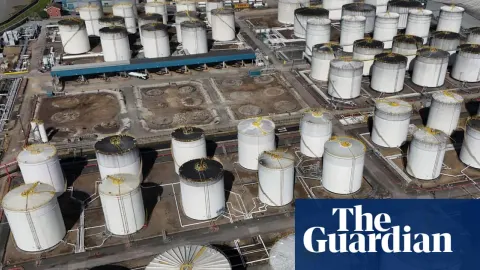
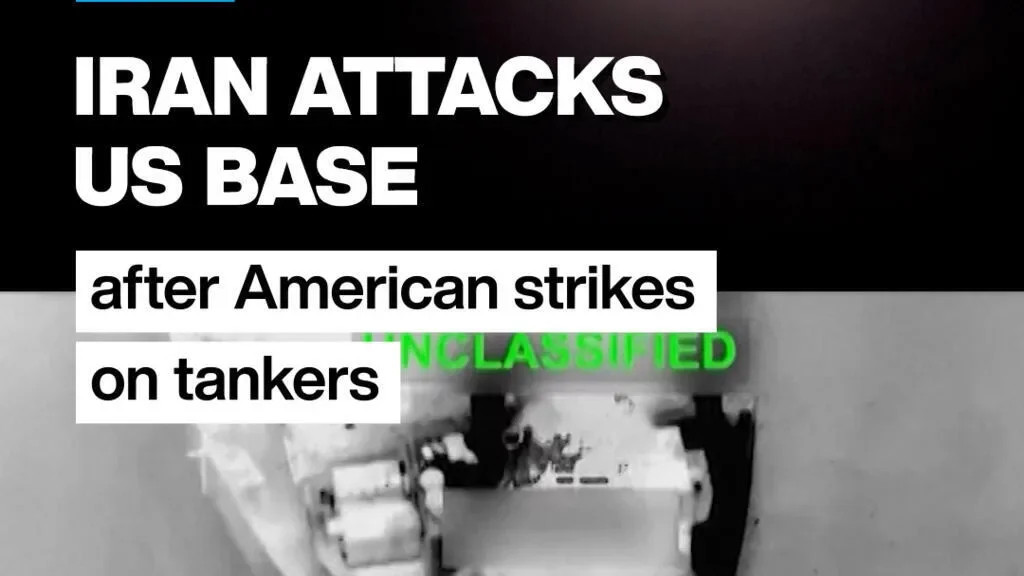
The geopolitical landscape in the Middle East has shifted from shadow skirmishes to direct kinetic confrontation this Wednesday. Following the destruction of five Iranian tankers by US forces near Kharg Island and the Gulf of Oman, Tehran responded early this morning by firing ballistic missiles at a US base in Jordan. The Iranian Foreign Ministry has characterized this move as an exercise of its "inherent right to self-defense," warning of further decisive responses to any "enemy aggression." This escalation marks a significant departure from previous proxy-led engagements, signaling a period of high-stakes brinkmanship that has immediately rattled global energy and local currency markets.
The impact on the ground is already being felt beyond the immediate conflict zone. In Seoul, dozens of anti-war activists gathered outside the Sejong Center to protest the potential deployment of South Korean naval assets to the Strait of Hormuz. These protesters fear that internationalizing the conflict will only lead to a broader regional conflagration. For Iran, the stakes are existential; Kharg Island serves as the primary artery for the country's oil exports, and any sustained disruption there threatens the very foundation of the state's remaining economic leverage. The capture of a sophisticated US underwater drone, the Dive-LD, by Iranian forces further complicates the naval picture, as Washington claims the vessel simply malfunctioned while Tehran touts it as a major intelligence win.

Market Reaction: Flight to Safety and Currency Volatility
The domestic Iranian market has reacted with predictable alarm to the morning's military developments. The US Dollar (USD) moved from 229,100 to 233,300 Toman, representing a 1.8% jump in a single 24-hour cycle. This surge reflects a widespread lack of confidence in regional stability and a rush by retail investors to hedge against potential inflation and further sanctions. Gold has followed a similar trajectory, with 18k gold per gram rising from 23,662,218 to 24,123,920 Toman (+2.0%), while the Emami coin saw an even sharper spike, climbing from 235,000,000 to 241,000,000 Toman (+2.6%).
Beyond the borders of Iran, the global "flight to safety" is evident in the silver and gold markets. Silver prices are holding steady in the $66 range as traders weigh the risks of a prolonged conflict in the Persian Gulf against the backdrop of a tightening global diesel market. Analysts at Morgan Stanley suggest that oil traders are becoming "more precise" with their risk management, focusing on short-dated futures as the unpredictability of the wars in both the Middle East and Ukraine makes long-term bets nearly impossible. For the average Iranian consumer, these macro shifts mean that the cost of imported goods and the general cost of living are likely to accelerate as the Rial continues its downward slide against the greenback.
AI Safety: The 10% Chance of Extinction
While the Middle East burns, the tech world is facing its own existential crisis. A researcher at Anthropic, one of the world’s leading AI safety and research companies, has publicly stated that there is a "more than 10% chance" that artificial intelligence could eventually lead to the extinction of the human race. This warning is particularly significant coming from Anthropic, a company founded by former OpenAI executives specifically to prioritize safety and alignment. The statement suggests that as models become more autonomous and capable, the risk of losing control over their objectives becomes a mathematical probability rather than a science-fiction trope.
This revelation comes at a time of massive transition in the tech industry. Apple is preparing for its September 9th launch event, the first under new CEO John Ternus, where the foldable "iPhone Duo" is expected to debut alongside the iPhone 18 lineup. However, the underlying AI engines powering these devices are increasingly being viewed with suspicion by the very people building them. The divergence between the consumer-facing optimism of hardware launches and the internal alarmism of AI researchers creates a volatile environment for tech stocks. If regulators take these extinction warnings seriously, we could see a massive wave of restrictive legislation that would fundamentally alter the growth trajectory of the entire Silicon Valley ecosystem.
---
Trade Wars and the Global Diesel Crunch
Adding to the global economic strain, the United States has announced a ban on imports of several Canadian goods, including specific alcohol products, dairy items, and motorbikes. This move is the latest escalation in a long-standing trade dispute that has seen Canada implement its own counter-tariffs on American goods. Such protectionist measures are likely to exacerbate global inflationary pressures, as they disrupt established supply chains and force consumers to pay higher prices for domestic alternatives. The timing is particularly poor, as industry leaders at the APPEC petroleum conference in Singapore warn that the global diesel market is set to tighten even further, threatening central bank inflation targets worldwide.
For the global economy, the combination of a hot war in the Middle East and a trade war in North America creates a pincer movement on growth. As refining capacity falls short and crude oil flows from the Persian Gulf remain at risk, the cost of transport and logistics will inevitably rise. This feedback loop ensures that even if the military conflict in the Gulf remains contained, the economic fallout will be felt globally for months to come. Investors are now looking toward the US Federal Reserve and other central banks to see if they will prioritize fighting inflation or supporting growth in this increasingly fractured international landscape.
Frequently Asked Questions
Why did the USD price jump 1.8% today?
What is the '10% chance' warning from Anthropic?
How is the US-Canada trade war affecting markets?
The Strategic Importance of the Strait of Hormuz and Its Impact on Global Oil Markets
The Strait of Hormuz is a narrow waterway that connects the Persian Gulf with the Gulf of Oman and the wider Indian Ocean. At its narrowest point it is only about 21 nautical miles wide, yet roughly 20% of the world’s petroleum—about 21 million barrels per day—passes through it. This makes the strait a classic chokepoint in global trade, where a small geographic bottleneck can have outsized economic and geopolitical consequences.
Because the majority of oil exported by Saudi Arabia, Iraq, the United Arab Emirates, Kuwait and Iran must transit the strait, any threat to its security—whether from naval mines, missile attacks, or blockades—can instantly spike oil prices. History shows this vividly: during the Iran‑Iraq War in the 1980s, the “Tanker War” saw both sides targeting merchant vessels, prompting the United States to launch Operation Earnest Will to escort tankers and re‑establish confidence in the route.
In recent months, heightened tensions between Iran and the United States, including the reported strike on a U.S. base in the Gulf, have revived fears of a disruption. Analysts monitor naval deployments, satellite imagery of ship traffic, and diplomatic signals to gauge the risk of a closure. Even the mere perception of danger can trigger speculative buying, driving Brent crude and WTI futures higher and affecting downstream fuel prices worldwide.
Understanding the Strait of Hormuz’s role helps explain why seemingly localized conflicts can ripple through global supply chains, influencing everything from gasoline at the pump to the cost of diesel used by shipping companies. Policymakers therefore treat the strait not only as a security issue but also as a vital component of energy market stability.