UK Air Travel Paralysis Persists as Brent Surges Past $100 Amid US-Iran Naval Conflict
فلجشدن فرودگاههای بریتانیا و جهش قیمت نفت به ۱۰۰ دلار در پی درگیریهای دریایی ایران و آمریکا
Global travel and energy markets are in turmoil today as a massive air traffic control failure leaves thousands stranded in the UK, while Brent crude oil breaches the $100 mark following direct naval clashes between US and Iranian forces.
At time of publishing
USD
233,500
Toman
Gold 18K
24.30M
Toman / gram
Bitcoin
$79,586
US Dollar
Tether
233,450.732
Toman
UK Aviation Chaos: A Systemic Failure Leaves Thousands Stranded
The ripple effects of a massive technical failure in the United Kingdom’s air traffic control system continue to paralyze major hubs, including London Heathrow, Gatwick, and Manchester. Although the National Air Traffic Services (NATS) resolved the primary software glitch within hours on Tuesday, the logistical nightmare has bled into Wednesday, with over 300 additional flight cancellations reported this morning. Transport Secretary Mark Harper has summoned NATS leadership for an emergency meeting as the government faces mounting pressure to explain how a single technical error could cause such widespread vulnerability in the nation's critical infrastructure.
For travelers, the situation has shifted from a temporary delay to a legal and financial battle over compensation rights. Under UK law, passengers affected by such disruptions are entitled to food, communication, and overnight accommodation, yet many report being left to sleep on terminal floors as airlines struggle to rebook thousands of displaced customers. This event highlights a growing concern regarding the fragility of aging European aviation software, which appears increasingly unable to handle the high-volume traffic of the post-pandemic era. The economic impact on the UK’s tourism and business sectors is expected to reach hundreds of millions of pounds if the backlog is not cleared by the weekend.

Brent Crude Breaches $100 as US-Iran Tensions Explode
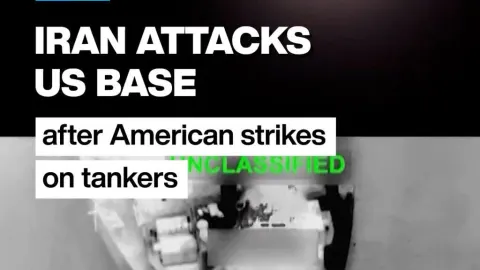
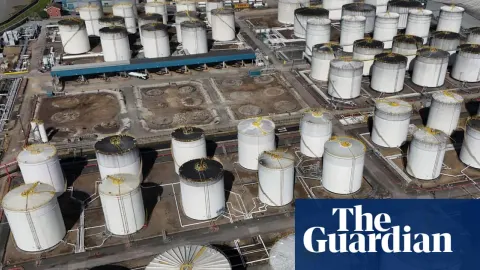
Geopolitical risk has returned to the forefront of global markets with a vengeance as Brent crude oil prices surged past the $100.60 per barrel mark. This spike is a direct consequence of a sharp escalation in the Persian Gulf, where US and Iranian forces have engaged in significant naval skirmishes. US authorities confirmed the destruction of five Iranian oil tankers in retaliation for attacks on a US naval vessel, while Tehran responded with a missile barrage targeting a US base in Jordan and several commercial tankers. The intensification of these strikes has effectively reignited fears of a full-scale blockade of the Strait of Hormuz, the world’s most vital oil transit point.
The market’s reaction has been swift and unforgiving. In Iran, the Toman has felt the immediate pressure of war rhetoric, with the USD/IRR exchange rate rising from 229,100 to 233,500, a 1.9% depreciation in just 24 hours. Gold prices have followed suit, as local investors flee to safe-haven assets; the price of 18k gold rose 2.7% to reach 24,297,058 Toman per gram. This surge in energy costs is likely to complicate global efforts to curb inflation, as higher fuel prices feed directly into transportation costs and consumer goods, potentially forcing central banks to maintain high interest rates for longer than previously anticipated.
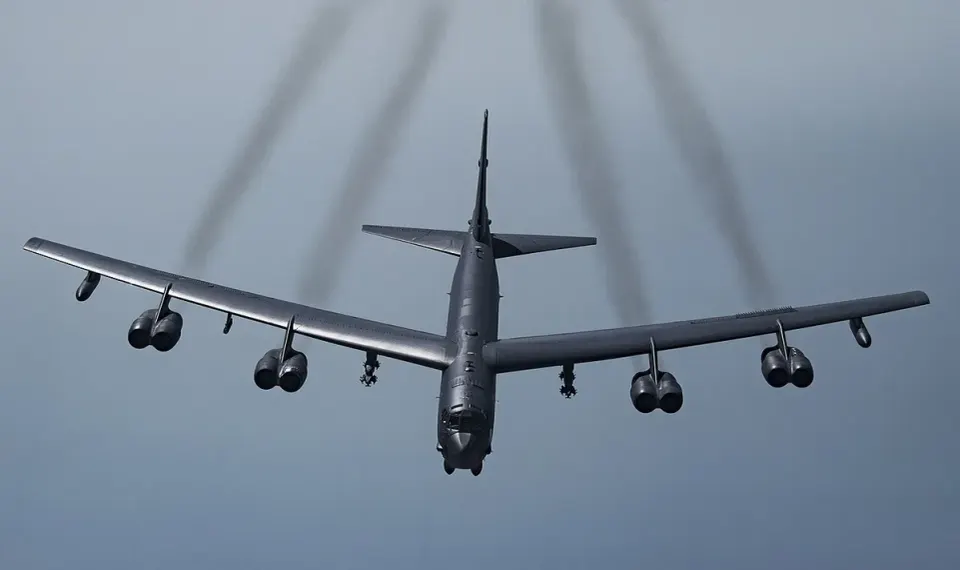
Tech Innovation: A Potential Cure for the Memory Chip Shortage
While geopolitics dominates the headlines, a significant development in the semiconductor industry could provide a long-term solution to the global memory shortage. A stealth startup, Kepler Computing, has emerged with claims of a revolutionary approach to chip design that utilizes a proprietary material to bypass current manufacturing bottlenecks. The company argues that its technology can significantly increase memory density without the astronomical costs associated with traditional silicon scaling. If proven at scale, this could provide a much-needed lifeline to the AI industry, which is currently grappling with skyrocketing hardware costs and supply chain delays.
The implications of Kepler’s claim extend far beyond the tech sector. The current shortage of high-bandwidth memory (HBM) has become a primary constraint for companies like Nvidia and Meta as they race to build more powerful AI models. By introducing a material that simplifies the production process, Kepler could effectively lower the barrier to entry for AI development, potentially democratizing access to supercomputing resources. However, industry analysts remain cautious, noting that the transition from a proprietary material in a lab to mass production in a foundry is a notoriously difficult feat that has claimed many promising startups in the past.
Financial Diplomacy: Wall Street Battles UK Tax Policy
In the financial corridors of London, a different kind of conflict is brewing. Jamie Dimon, CEO of JP Morgan, is set to meet with UK Chancellor John Healey to deliver a stern warning against proposed windfall tax hikes on banks. Dimon’s visit comes amid intense speculation that the upcoming October budget will include aggressive tax measures aimed at the financial sector to plug a multi-billion pound hole in public finances. The Wall Street titan is expected to argue that such taxes would not only stifle investment in the City of London but could also lead to a flight of capital and talent to more tax-friendly jurisdictions like New York or Dubai.
This clash underscores the delicate balancing act facing the new UK government as it attempts to fund public services without alienating the very institutions that drive economic growth. If the government proceeds with the tax hikes despite Dimon’s warnings, it could signal a shift in the UK's post-Brexit economic strategy toward a more interventionist model. For global investors, the outcome of this meeting will be a key indicator of the UK's future competitiveness as a global financial hub, particularly as other European capitals continue to vie for the business currently centered in London.
Frequently Asked Questions
Why did oil prices surge past $100 today?
What caused the massive flight cancellations in the UK?
How has the Iranian market reacted to the regional tensions?
Topics
Related Articles