Tehran Asserts Hormuz Control as Oil Breaches $100 and USD Hits 233,000
ادعای کنترل کامل ایران بر تنگه هرمز همزمان با نفت ۱۰۰ دلاری و دلار ۲۳۳ هزار تومانی
Oil prices have surged past the $100 mark as IRGC officials claim effective control over the Strait of Hormuz, sparking a sharp 2.1% jump in the USD/IRR exchange rate. Meanwhile, the U.S. has escalated its maritime campaign against 'refueling' vessels, adding further volatility to global energy corridors.
At time of publishing
USD
233,800
Toman
Gold 18K
24.25M
Toman / gram
Bitcoin
$78,947
US Dollar
Tether
233,649.287
Toman
Tehran Asserts Strategic Control Over Strait of Hormuz Amid Regional Tensions
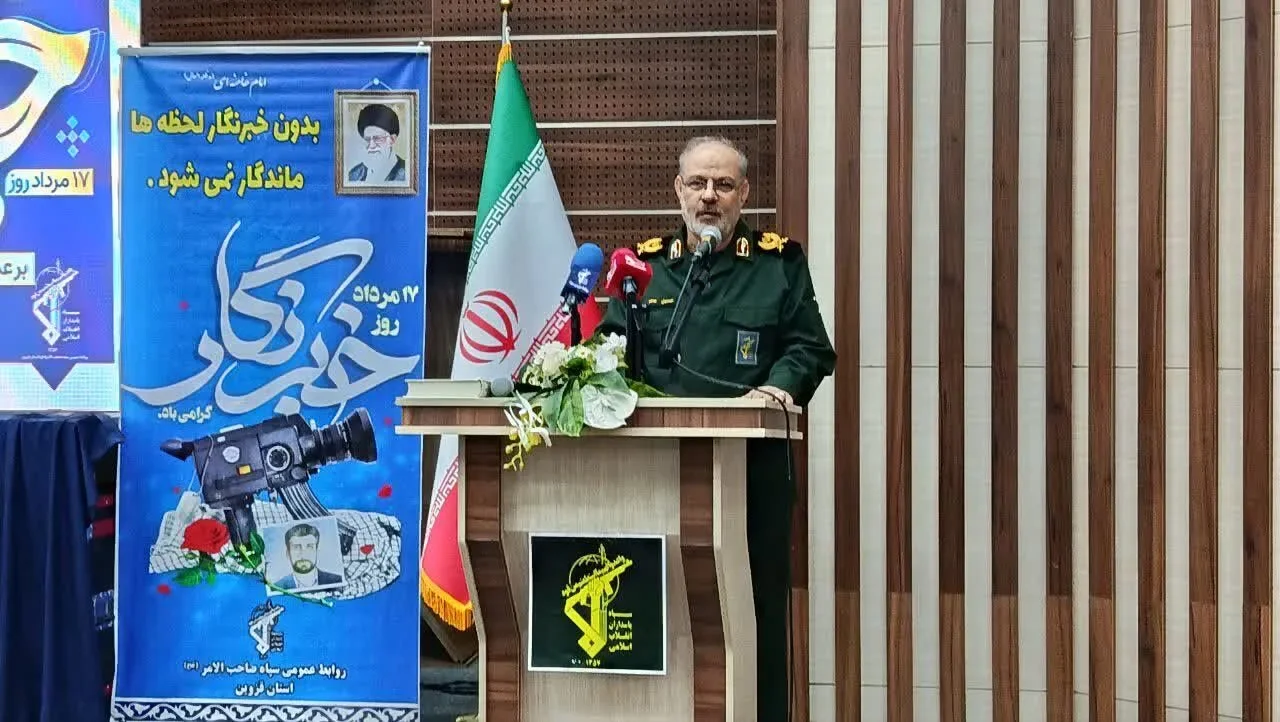
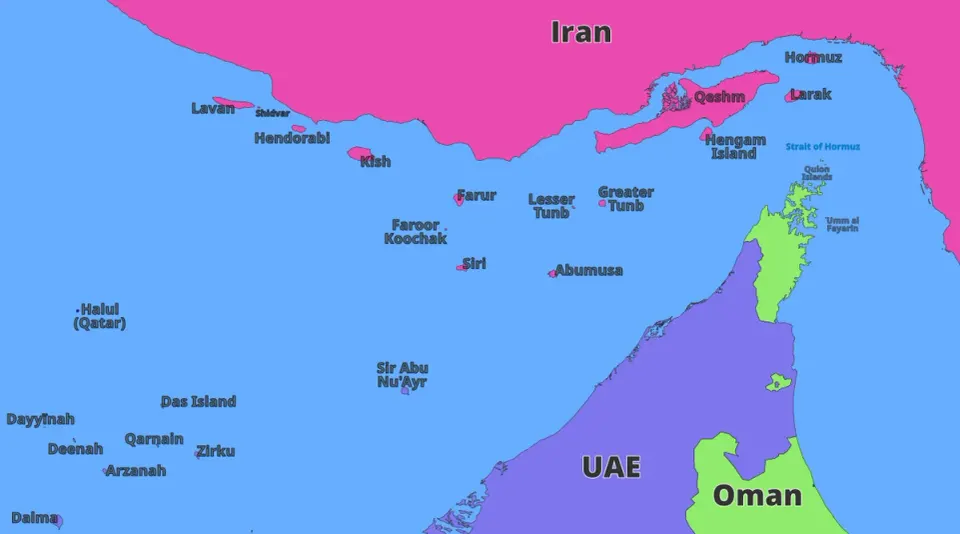
In a significant escalation of rhetoric, Brigadier General Hossein Mohebbi, a spokesperson for the Islamic Revolution Guards Corps (IRGC), declared today that the United States no longer possesses the capability to sustain its military presence in the Middle East. Speaking from Arak, Mohebbi emphasized that the Strait of Hormuz has become a defining factor in the emerging global order, asserting that Iran now exercises "effective control and authority" over this vital maritime artery. This claim comes at a moment of heightened sensitivity, as the waterway remains the world's most important oil chokepoint, through which a third of all seaborne-traded oil passes daily. The timing of these statements appears calculated to project strength as global energy prices fluctuate and regional skirmishes intensify. By framing the U.S. presence as unsustainable, Tehran is signaling its intent to dominate regional security architecture without Western interference. For the average Iranian, however, this geopolitical posturing translates directly into market volatility. Historical patterns suggest that whenever the security of the Strait is questioned, the domestic currency faces immediate pressure, as seen in the latest 24-hour surge in the USD/IRR rate.
---
Global Oil Breaches $100 as Inflation Fears Grip Wall Street
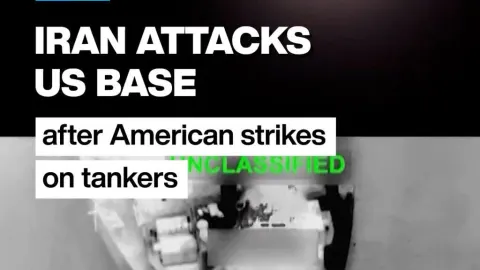
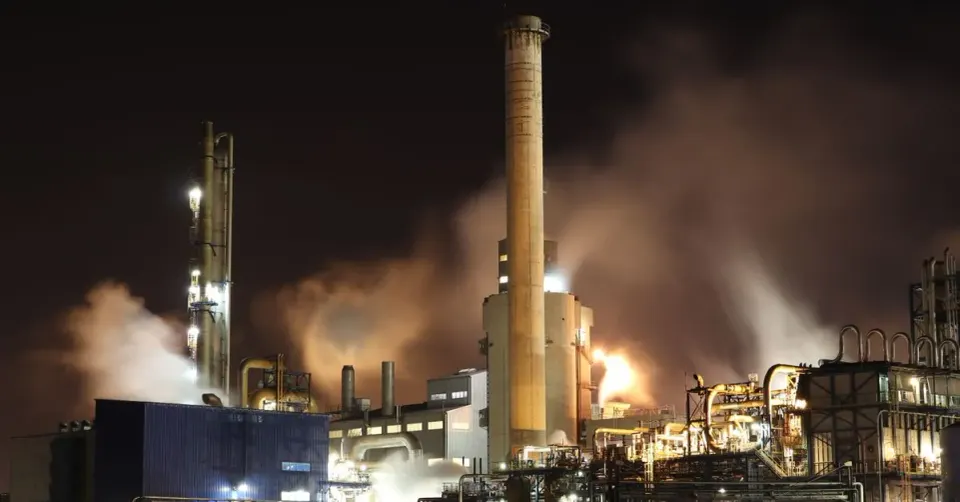
For the first time in nearly two months, Brent crude oil has surged past the $100 per barrel threshold, sending shockwaves through global financial markets. This price rally is being driven by a combination of Middle East skirmishes and emerging refining bottlenecks that are threatening to create a fresh inflationary shock. As major central banks prepare for critical interest-rate decisions later this month, the return of triple-digit oil prices complicates the narrative of a "soft landing" for the global economy. Wall Street analysts are increasingly concerned that energy-driven inflation will force interest rates to remain higher for longer, stifling growth. Adding to the maritime friction, the U.S. military has escalated its campaign against non-traditional naval targets. Recent reports indicate that U.S. forces have sunk six large vessels accused of acting as "refueling" stations for fast-moving boats involved in illicit activities. While these strikes are ostensibly part of a counter-narcotics and security campaign, the increased military activity in international waters is contributing to a general sense of instability that traders are pricing into every barrel of crude. This environment of "boat strikes" and supply-side anxiety is making the $100 price floor look increasingly solid.
---
Domestic Markets React: USD and Gold Spike in Tehran
The combination of regional military rhetoric and $100 oil has triggered a sharp reaction in Iran's domestic markets. The US Dollar (USD) rose from 229,100 to 233,800 Toman, marking a 2.1% increase in just 24 hours. This move has been mirrored in the gold market, where the 18k gold price jumped by 2.5% to reach 24,250,888 Toman per gram. The Emami coin followed suit with a 3.0% gain, now trading at 242,000,000 Toman. These price actions reflect a flight to safety among local investors who fear that renewed tensions in the Persian Gulf could lead to further currency devaluation.

Beyond the Middle East, political instability in Europe is adding another layer of complexity to the global risk appetite. In Germany, Chancellor Friedrich Merz has reportedly canceled a planned phone call with Donald Trump following social media posts from the former U.S. President celebrating the far-right AfD party's recent electoral wins. This diplomatic friction within the Western alliance, coupled with Germany's proposal for a new 25% crypto tax by 2028, is creating a fragmented regulatory and political landscape. For Iranian crypto holders, Bitcoin's relative stability at $78,947 provides a slight hedge, though the rising cost of Tether (USDT) at 233,649 Toman continues to make entry into the digital asset space more expensive.
Frequently Asked Questions
چرا قیمت نفت دوباره به بالای ۱۰۰ دلار بازگشت؟
تأثیر ادعای کنترل ایران بر تنگه هرمز بر بازار ارز چیست؟
آیا مالیات جدید آلمان بر کریپتو روی قیمت بیتکوین اثر دارد؟
Topics
Related Articles