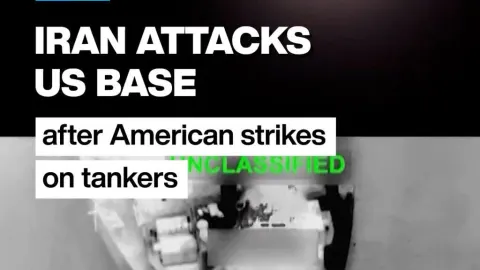
Hormuz No-Go Zone Expands as Toman Slumps 2.8%; Apple Unveils AI-Proof Camera in Post-Cook Era
گسترش منطقه ممنوعه در هرمز و جهش ۲.۸ درصدی دلار؛ رونمایی اپل از دوربین ضد هوش مصنوعی
Tehran's expansion of the Hormuz blockade has sent the Toman tumbling to 235,500 per USD, while Apple enters a new chapter under CEO John Ternus with a $2,000 foldable iPhone and technology designed to verify 'real' photos in an AI-saturated world.
At time of publishing
USD
235,500
Toman
Gold 18K
24.44M
Toman / gram
Bitcoin
$78,524
US Dollar
Tether
235,002
Toman
The Hormuz Escalation and the Toman's Rapid Decline
The geopolitical temperature in the Persian Gulf has reached a boiling point tonight as Tehran announced a significant expansion of its 'no-go zone' outside the Strait of Hormuz. Following reports of strikes on more than a dozen vessels, the Iranian government has effectively choked off one of the world's most vital energy arteries. This move, framed by state-affiliated sources as a defensive measure against a U.S. counter-blockade, has sent shockwaves through the domestic markets. The Iranian Toman has reacted with immediate volatility, with the USD selling price jumping from 229,100 to 235,500 Toman, marking a sharp 2.8% depreciation in just 24 hours.
This market reaction is not merely a numbers game; it reflects a deepening anxiety among Iranian citizens and traders who see the escalating naval conflict as a precursor to sustained economic isolation. Gold prices have mirrored this fear, with 18k gold rising 3.3% to reach 24,442,495 Toman per gram, while the Emami coin surged 3.0% to 242 million Toman. For the average consumer, this translates to an immediate loss of purchasing power and a renewed rush toward hard assets. The expansion of the no-go zone suggests that the maritime standoff is no longer a temporary disruption but a strategic shift that could keep oil prices anchored above the $100 mark for the foreseeable future.
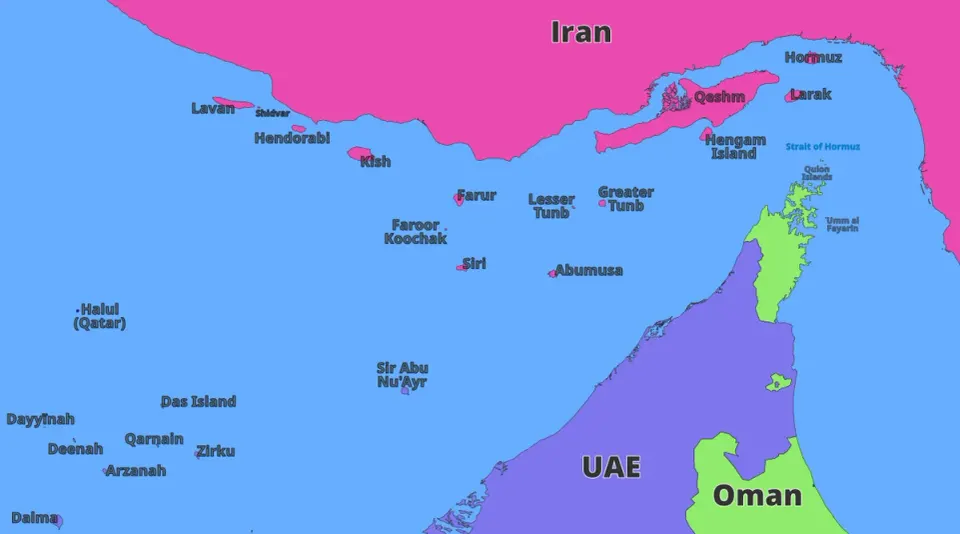
Apple’s New Era: AI-Proofing Reality and the $2,000 Foldable
In Cupertino, Apple has officially entered its post-Tim Cook chapter. New CEO John Ternus took the stage for his first major showcase, introducing a product lineup that attempts to solve the existential crisis of the digital age: the death of truth. The standout feature of the new iPhone 18 Pro is 'Reference Image' mode, a hardware-level solution that 'signs' every pixel captured by the sensor. This technology is designed to prove that a photo was taken by a human in the physical world and has not been manipulated by generative AI. It is a bold move by Apple to position itself as the arbiter of authenticity in a world increasingly flooded with deepfakes and AI-generated misinformation.
Beyond the software, the hardware itself signals a pivot toward extreme premiumization. The long-awaited 'iPhone Duo,' Apple's first foldable device, was unveiled with a staggering $1,999 price tag. Utilizing an AI-designed hinge and 3D-printed internal components, the device is a technological marvel but also a risky bet on the consumer's willingness to spend. For the global tech market, this launch represents a transition from the incremental updates of the Cook era to a more aggressive, experimental approach under Ternus. However, the high entry price and the focus on AI verification suggest that Apple is increasingly catering to an elite tier of users, leaving the broader market to grapple with the rising costs of staying technologically current.

UK Sanctions Debate and the Yemen Powder Keg
Geopolitical tensions are also vibrating in London, where the British Jewish community is deeply divided over the UK government's decision to sanction trade with illegal settlements. This policy shift, which some view as a necessary step toward upholding international law and others see as an 'injustice' against historical ties, marks a significant departure in British foreign policy. The move is expected to have ripple effects across European trade relations, potentially leading to a more coordinated stance against settlement-based commerce. This internal debate highlights the growing pressure on Western governments to take concrete economic actions in Middle Eastern conflicts, moving beyond rhetoric into the realm of financial penalties.
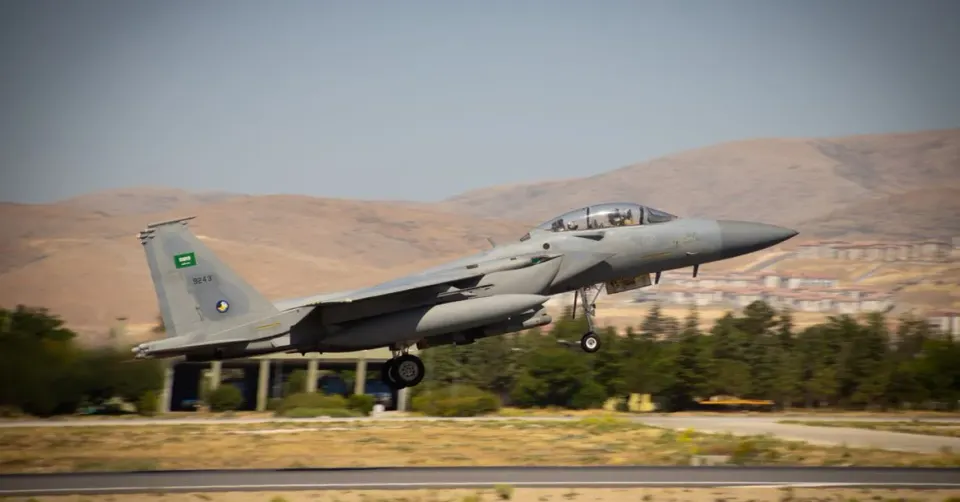
Simultaneously, the situation in Yemen is tilting toward a full-scale regional war. Saudi Arabia has intensified its military campaign against Houthi forces following renewed threats to Saudi oil export routes. As the Houthis and Saudis trade blows, the risk of a wider conflagration that draws in regional powers is at its highest point in years. This escalation, combined with the naval friction in the Strait of Hormuz, has kept global markets on edge. Bitcoin, often viewed as a hedge against traditional market instability, failed to reclaim the $80,000 level, currently trading at $78,524. The combination of geopolitical risk and fears of a 'Yen carry-trade' unwind, fueled by U.S. Treasury Secretary Scott Bessent’s recent comments, has created a 'risk-off' environment where investors are fleeing to the safety of the dollar and gold.
The Economic Fallout: Bond Buybacks and Global Inflation
In an attempt to stabilize the global financial system, the U.S. Treasury has announced an expanded bond buyback program, purchasing $6 billion in government debt to contain soaring yields. However, the market remains largely 'underwhelmed,' as the underlying causes of inflation—namely energy costs driven by the Middle East crisis—remain unaddressed. For Iranian households, the global macro picture is particularly grim. The synergy between domestic currency devaluation and rising global commodity prices is creating a pincer movement on the cost of living. As the U.S. and Iran remain locked in a cycle of maritime strikes and counter-sanctions, the prospect of a diplomatic off-ramp appears increasingly remote, leaving the markets to price in a permanent state of high-intensity friction.
Frequently Asked Questions
Why did the USD price jump to 235,500 Toman today?
What is Apple's new 'Reference Image' technology?
How is the Saudi-Houthi conflict affecting global markets?
Geopolitical Risk and Currency Devaluation
Currency devaluation refers to the official lowering of the value of a country's currency relative to other currencies. While often driven by domestic economic factors like trade deficits or high inflation, geopolitical events can be incredibly powerful catalysts. These risks, ranging from regional conflicts and political instability to international sanctions and tensions over critical trade routes, introduce significant uncertainty into global markets and directly impact a nation's economic stability.
Take, for instance, the Strait of Hormuz, a vital chokepoint for global oil shipments. Tensions in such a strategic area, as hinted by the 'Hormuz No-Go Zone Expands' keyword, can disrupt oil exports, increase shipping costs, and deter foreign investment. For a country like Iran, heavily reliant on oil revenues and subject to international sanctions, any perceived threat to its ability to export oil or conduct international trade can severely limit its access to foreign currency reserves. This scarcity of foreign exchange, coupled with capital flight driven by investor apprehension, directly undermines confidence in the local currency.
The mechanism is straightforward: when a country's ability to earn foreign currency (like U.S. dollars or Euros) is curtailed, and investors withdraw their funds due to instability, the demand for foreign currency within the country surges while the supply of local currency available for international transactions dwindles. This imbalance puts immense downward pressure on the local currency's exchange rate, leading to its devaluation. The 'Toman Slumps 2.8%' keyword is a direct manifestation of such pressures.
The consequences of currency devaluation are far-reaching. It makes imports more expensive, contributing to domestic inflation—a phenomenon often reflected in a 'Gold price Iran surge' as citizens seek to preserve wealth against eroding purchasing power. This erosion of wealth reduces living standards, diminishes public confidence in the economy, and can exacerbate social and political unrest. Understanding this intricate link between geopolitical events and currency stability is crucial for comprehending global economic dynamics.