Trump Ties Iran War End to US Elections as Oil Surges Past $100 Amid Tanker Conflict
گره خوردن پایان جنگ ایران به انتخابات آمریکا؛ نفت ۱۰۰ دلاری و تشدید درگیریهای دریایی
Donald Trump claims the conflict with Iran will persist until after the November midterms, while oil prices breach $100 following intensified tanker attacks in the Persian Gulf. Meanwhile, Bitcoin faces pressure at $78,000 as regional jitters and hardware wallet security breaches spook investors.
At time of publishing
USD
235,500
Toman
Gold 18K
24.38M
Toman / gram
Bitcoin
$78,201
US Dollar
Tether
237,950
Toman
The Election Clock and the Iran Conflict
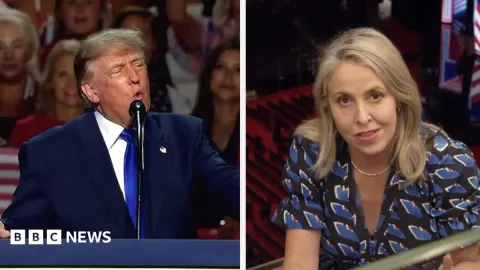
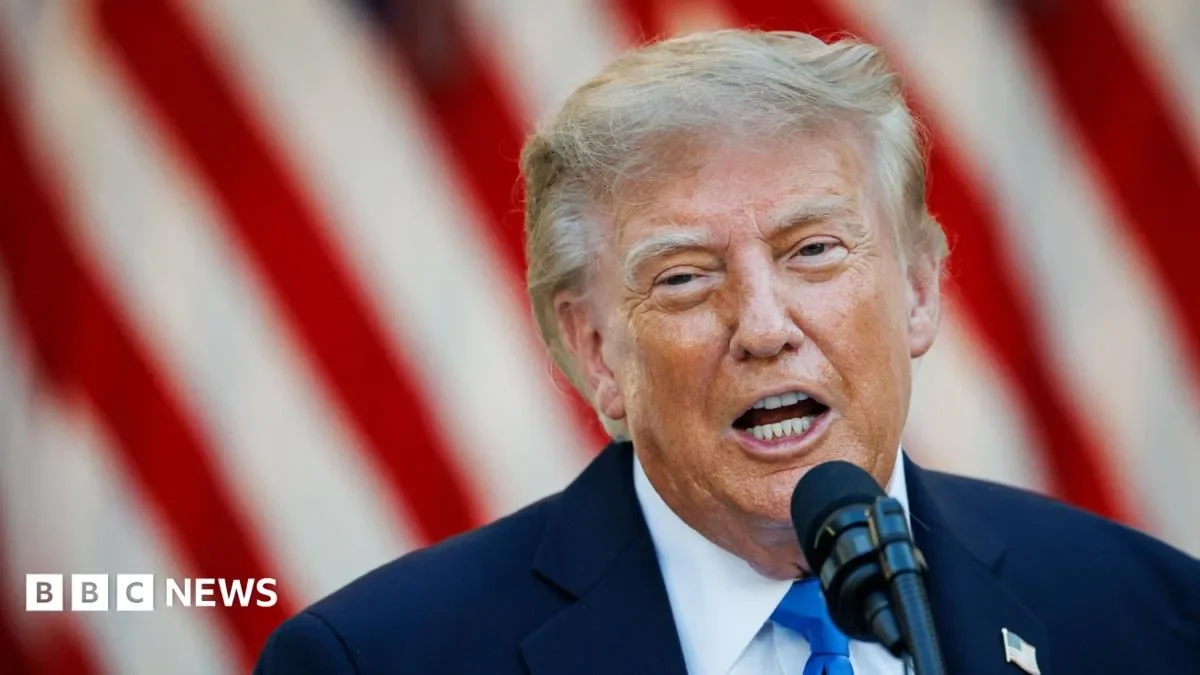
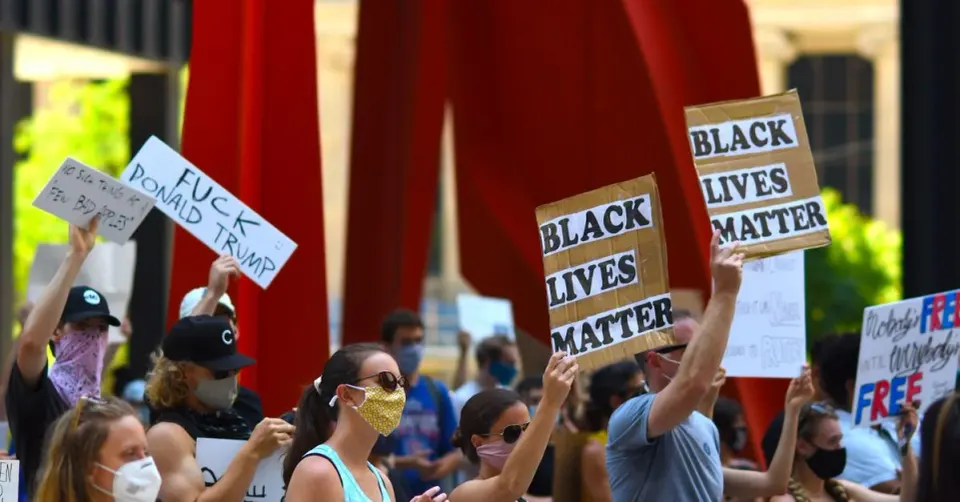
Donald Trump’s address at the Republican midterm convention in Dallas has effectively turned the ongoing conflict with Iran into a central pillar of the upcoming U.S. elections. By asserting that the war will not conclude until after the November races, the former president has signaled to global markets that a diplomatic breakthrough is unlikely in the short term. Trump coupled this geopolitical forecast with a staggering domestic promise: a $5,000 payout to every adult U.S. citizen if Republicans retain control of Congress. This proposal, estimated to cost over $1 trillion, is viewed by many analysts as a desperate attempt to counter his waning popularity and the public's frustration with the economic fallout of the war.
The rhetoric coming out of Dallas also included unverified claims that Tehran is actively attempting to manipulate the election outcome to disadvantage the Republican party. For Iranian observers, this suggests that the current 'maximum pressure' environment is likely to intensify as the U.S. political cycle heats up. The Iranian Toman has remained stagnant at 235,500 against the USD (0.0% change over 24h), reflecting a market that is 'pricing in' a long-term stalemate rather than immediate escalation or relief. The lack of movement in the currency market, despite the fiery rhetoric, suggests that traders are waiting for concrete actions rather than convention speeches.
Oil Breaches $100 Amid Tanker War Escalation
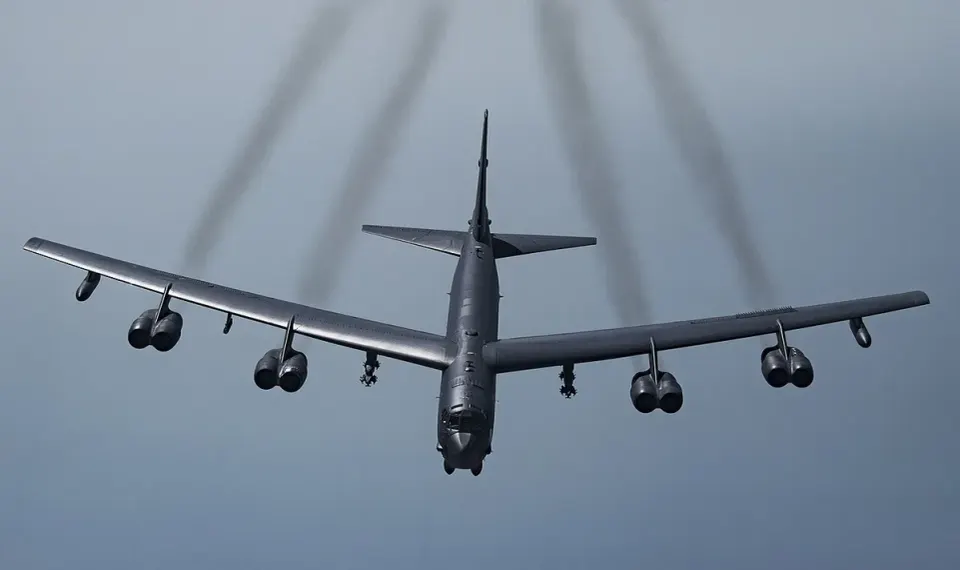
Energy markets have reacted sharply to the deteriorating situation in the Persian Gulf, with Brent crude oil officially breaking the $100 threshold to trade at $101.04 per barrel. This rally is driven by the reality of a 'Tanker War' that has moved beyond mere threats. Iran has reported successful hits on U.S. warships and tankers within the Gulf, while the United States claimed to have struck ten Iranian tankers in a series of retaliatory raids. This tit-for-tat maritime combat has turned the Strait of Hormuz into a high-risk zone, significantly hampering the global flow of crude and driving up shipping insurance premiums to record highs.
For the Iranian economy, the $100 oil price is a double-edged sword. While it increases the potential value of exports, the physical risk to tankers and the tightening of the naval blockade make actualizing those gains nearly impossible. Domestically, gold prices have shown slight volatility; 18k gold fell by -0.3% to 24,377,856 Toman per gram, while the Emami coin rose by 1.2% to 245,000,000 Toman. This divergence suggests that while the raw material tracks global trends, the demand for physical 'safe-haven' coins remains high among Iranian citizens looking to protect their capital from the uncertainty of the 'November deadline' set by Trump.
Crypto Jitters and Regional Diplomatic Friction
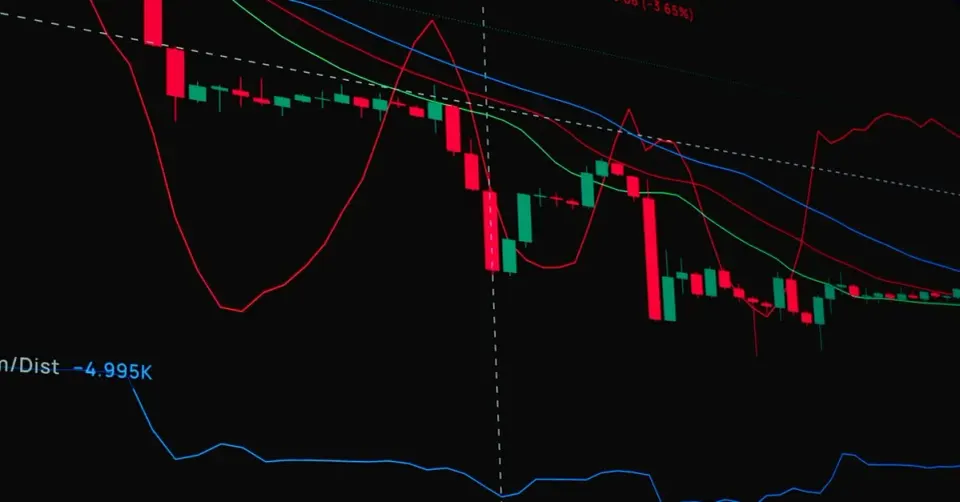
The volatility in the Middle East has spilled over into the digital asset space, with Bitcoin (BTC) struggling to maintain its footing above $78,000. BTC currently sits at $78,201, as 'Iran jitters' and rising Treasury yields push investors toward more traditional defensive assets. The broader crypto market saw more significant hits, with Dogecoin leading the losses with a 5% drop. Compounding the market stress are urgent security warnings from hardware wallet manufacturers Trezor and BitBox. Both firms have alerted users to a wave of sophisticated phishing attacks following a breach at a shared email service provider, highlighting the persistent risks even for those using 'cold storage' solutions.
On the diplomatic front, the tension is not limited to the U.S.-Iran axis. Israeli Prime Minister Benjamin Netanyahu’s recent visit to troops in occupied Syria has drawn a sharp rebuke from Damascus, which labeled the visit a 'blatant violation' of sovereignty. Netanyahu’s claims that the Iranian government is on the 'verge of collapse' contrast sharply with Tehran's official stance. Meanwhile, the Iranian government has dismissed U.S. Secretary of State Marco Rubio’s allegations of interference in Yemen, insisting that the Ansarallah movement operates independently. This complex web of claims and counterclaims continues to keep the regional risk premium high, ensuring that markets remain on edge as the world watches the calendar turn toward November.
Frequently Asked Questions
Why did Donald Trump promise $5,000 to US citizens?
What is causing the surge in oil prices to over $100?
Is my crypto safe if I use a Trezor or BitBox wallet?
Understanding the Geopolitical Risk Premium on Oil Prices
When headlines link geopolitical tensions, potential conflicts, and elections to surging oil prices, a key economic concept at play is the Geopolitical Risk Premium. This refers to the extra amount buyers are willing to pay for a commodity, such as crude oil, above its fundamental supply and demand price, purely due to the perceived risk of future supply disruptions caused by political instability, conflict, or uncertainty in a producing or transit region.
The mechanism behind this premium is rooted in fear and speculation. For instance, the mention of a "Persian Gulf tanker war" immediately raises concerns about the safety of oil shipments through the Strait of Hormuz, a critical chokepoint through which a significant portion of the world's seaborne oil passes daily. Even the threat of conflict, without any actual disruption, can cause traders and refiners to bid up prices as they anticipate potential shortages or higher shipping costs, effectively building a "cushion" against future uncertainty.
In the context of the given headline, the interplay of a potential "Iran war end" tied to "US Elections" introduces significant policy uncertainty. A change in political leadership or foreign policy stance could dramatically alter the geopolitical landscape, impacting oil supply from a major producer or transit region. This political volatility, combined with ongoing regional tensions and the vulnerability of key shipping lanes, amplifies the geopolitical risk premium, pushing oil prices higher even years in advance, as suggested by "oil prices 2026."
Understanding the geopolitical risk premium is crucial because it highlights how non-economic factors can have profound economic consequences. It explains why oil prices can spike rapidly based on news events, diplomatic rhetoric, or military maneuvers, far exceeding what traditional supply-and-demand models might predict. This premium ultimately impacts consumers through higher fuel costs, businesses through increased operational expenses, and can even contribute to global inflation and economic instability.
Topics
Related Articles