Trump’s $5,000 Midterm Pledge Sparks Legal Firestorm as Oil Hits $100 and Sanctions Hit Iranian Airlines
وعده ۵۰۰۰ دلاری ترامپ و جنجالهای حقوقی؛ نفت ۱۰۰ دلاری و تحریمهای جدید علیه ایرلاینهای ایرانی
President Trump's promise of a $5,000 stimulus per adult if Republicans win the midterms has triggered intense legal debate, while oil prices breach the $100 mark amid renewed Middle East conflict. Meanwhile, Tehran condemns fresh US sanctions on 27 airlines as 'economic terrorism' as local markets remain on edge.
At time of publishing
USD
235,500
Toman
Gold 18K
24.26M
Toman / gram
Bitcoin
$78,062
US Dollar
Tether
235,038
Toman
Trump’s $5,000 Pledge: Economic Stimulus or Legal Minefield?
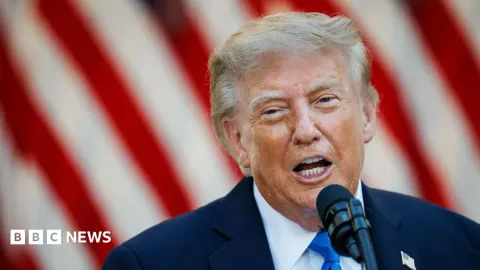
President Donald Trump has sent shockwaves through the American political landscape by promising a direct payment of $5,000 to every adult citizen should the Republican Party secure a victory in the upcoming November midterms. Speaking at a party convention in Dallas, the President framed the proposal as a "victory dividend" intended to offset the sting of persistent inflation and high energy costs. However, the announcement was notably light on logistical details, failing to specify the funding source for a program that would cost the federal government trillions of dollars. Critics and legal scholars have immediately questioned the constitutionality of such a move, with some suggesting it borders on illegal vote-buying, while others argue that as a policy platform, it falls within the realm of campaign promising.
Market analysts are viewing the pledge with a mixture of skepticism and alarm. If implemented, a cash injection of this magnitude could drastically reignite inflationary pressures that the Federal Reserve has been struggling to contain for years. While the promise is designed to boost Republican polling numbers, the prospect of further fiscal expansion is already weighing on bond markets. For international observers, particularly in emerging markets like Iran, the potential for a more volatile US dollar and shifting American fiscal policy adds another layer of uncertainty to global trade and exchange rate stability.

Oil Breaches $100 Amid Escalating Saudi-Houthi Conflict
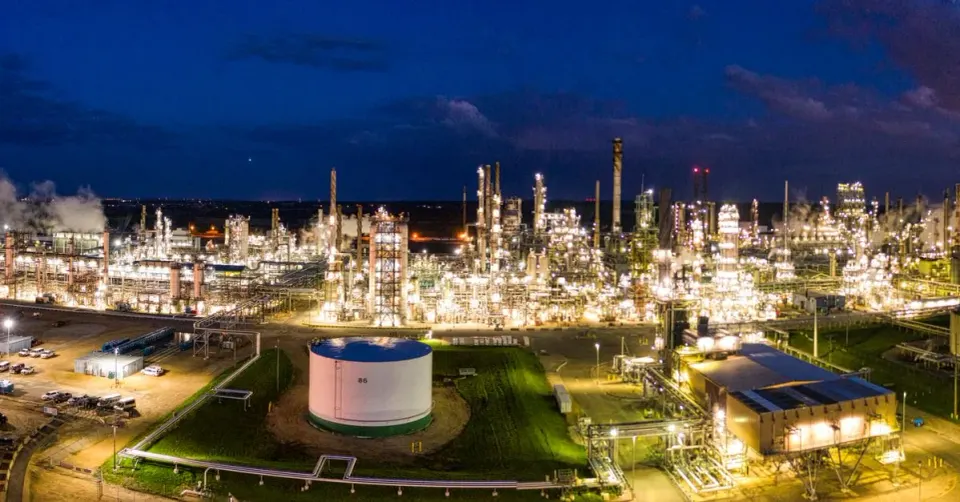
Global energy markets have hit a major psychological and economic milestone as Brent crude oil surged past $100 per barrel this morning. The rally is being driven by a sharp escalation in the Middle East, specifically involving Yemen’s Iran-aligned Houthi rebels and Saudi Arabia. Reports indicate that Saudi forces launched approximately 40 air strikes across four Yemeni provinces in response to repeated Houthi attacks on Saudi oil infrastructure. This renewed cycle of violence has effectively shattered the fragile calm that had briefly stabilized tanker traffic in the Strait of Hormuz, reminding traders that the world’s most critical energy chokepoint remains highly vulnerable to geopolitical shocks.
This price surge represents a significant challenge for global economies already teetering on the edge of recession. For Iranian citizens, the $100 oil price is a double-edged sword; while it theoretically increases the value of regional exports, the heightened risk of conflict in the Persian Gulf often leads to immediate speculative pressure on the Toman. The current environment is characterized by a "risk-on" sentiment in commodities, but the underlying fear is that a prolonged disruption in shipping lanes could lead to supply shortages that even strategic reserves cannot fully mitigate.
US Sanctions Target 27 Iranian Airlines in New Escalation
The US Treasury Department has expanded its sanctions regime against the Islamic Republic, blacklisting 27 Iranian airlines and aviation-related entities. The move, which Washington describes as a necessary step to curb the transport of military equipment and sanctioned personnel, has been met with fierce condemnation from Tehran. State media outlets have relayed official statements characterizing the measures as "economic terrorism" and "collective punishment" against the Iranian people. The government claims these sanctions directly jeopardize civilian aviation safety by preventing the acquisition of essential spare parts and maintenance services, though US officials maintain that the targets are specifically linked to the state's regional military activities.
For the average traveler and the broader Iranian economy, these sanctions signal a further isolation from global logistics networks. The domestic aviation sector has already been struggling with an aging fleet and limited international destinations; this latest move is expected to increase ticket prices and reduce the frequency of available flights. Beyond the immediate impact on travel, the move reinforces the "maximum pressure" environment that continues to dictate the Toman's exchange rate. As of this hour, the US dollar remains stable at 235,500 Toman, but the psychological impact of further isolation often precedes market volatility.

Domestic Markets: Gold Dips as Bitcoin Consolidates
In the local Iranian markets, the past 24 hours have seen a slight cooling in gold prices despite the global rise in oil. Gold 18k per gram moved from 24,442,495 to 24,262,431 Toman, a decrease of 0.7%. This downward adjustment reflects a minor correction after recent highs, as local investors weigh the impact of international gold prices—currently at $4,409.90 per ounce—against a relatively stagnant USD/IRR rate. The Emami coin, however, defied the general gold trend, rising slightly from 242,000,000 to 244,000,000 Toman (+0.8%), suggesting that demand for physical coins as a hedge remains robust among the public.
Meanwhile, the cryptocurrency market is showing signs of a "bull flag" consolidation. Bitcoin is currently trading at $78,062, maintaining its position near recent highs as institutional interest from the US and Asia continues to provide a floor for prices. The opening of Singapore Exchange’s bitcoin perpetual futures to US institutions is a landmark event that bridges liquidity between Western and Eastern trading desks. For Iranian crypto users, the stability of Tether (USDT) at 235,038 Toman provides a predictable entry point, even as global regulatory scrutiny, such as the recent US seizure of the Xinbi scam marketplace, continues to evolve.
Watch
Attorney says Trump's $5,000 dividend promise is legal but not without challenges
Associated Press
Frequently Asked Questions
آیا وعده ۵۰۰۰ دلاری ترامپ از نظر قانونی قابل اجراست؟
چرا قیمت نفت ناگهان به بالای ۱۰۰ دلار رسید؟
تحریمهای جدید هوانوردی چه تاثیری بر زندگی مردم ایران دارد؟
Understanding Economic Sanctions: A Tool of Geopolitical Pressure
Economic sanctions are a powerful foreign policy tool, essentially commercial and financial penalties applied by one or more countries against a targeted self-governing state, group, or individual. They are typically imposed to achieve specific foreign policy objectives, such as compelling a change in behavior (e.g., nuclear proliferation, human rights abuses), deterring aggression, or punishing non-compliance with international norms. These measures can range from comprehensive embargos on all trade to more targeted restrictions on specific sectors, individuals, or entities, like the sanctions mentioned against Iranian airlines.
The mechanisms of economic sanctions vary widely. They can include trade barriers, such as import/export restrictions on certain goods (like oil or advanced technology), financial penalties like asset freezes and restrictions on international banking transactions, travel bans on key officials, and even arms embargos. The goal is often to exert economic pressure, making it difficult for the targeted entity to conduct international business, access global financial markets, or acquire crucial resources, thereby weakening its capacity to act in ways deemed undesirable by the sanctioning powers.
However, economic sanctions are a double-edged sword, often leading to complex and sometimes unintended consequences. While they aim to pressure governments, their impact frequently reverberates through the civilian population, potentially leading to humanitarian crises, inflation, and shortages of essential goods. In the context of Iran, sanctions have severely impacted its oil exports, access to international banking, and the value of its currency (the Toman), prompting citizens to seek stability in alternative assets like gold or cryptocurrencies such as Bitcoin, as hinted by the keywords.
Furthermore, sanctions can drive targeted nations to develop self-sufficiency, seek new trading partners, or even foster illicit markets, potentially undermining the long-term effectiveness of the sanctions regime. The debate over their efficacy and ethical implications is ongoing, with proponents arguing for their utility in preventing conflict and promoting human rights, while critics highlight their often-devastating impact on ordinary citizens and their limited success in achieving stated policy goals without broader international consensus.