Oil Surges Past $100 Amid Hormuz Conflict as Global Markets Face New Inflationary Pressures
عبور نفت از مرز ۱۰۰ دلار در پی درگیریهای هرمز؛ فشار تورمی جدید بر بازارهای جهانی و نوسان ارز
As oil prices breach the $100 mark due to escalating tensions in the Strait of Hormuz, global markets are bracing for a renewed inflation wave. Meanwhile, a controversial 'tourist tax' in the UK and a landmark legal conviction in Hong Kong are reshaping the hospitality and media landscapes.
At time of publishing
USD
234,700
Toman
Gold 18K
24.26M
Toman / gram
Bitcoin
$78,134
US Dollar
Tether
234,230
Toman
The $100 Oil Milestone and the Hormuz Crisis
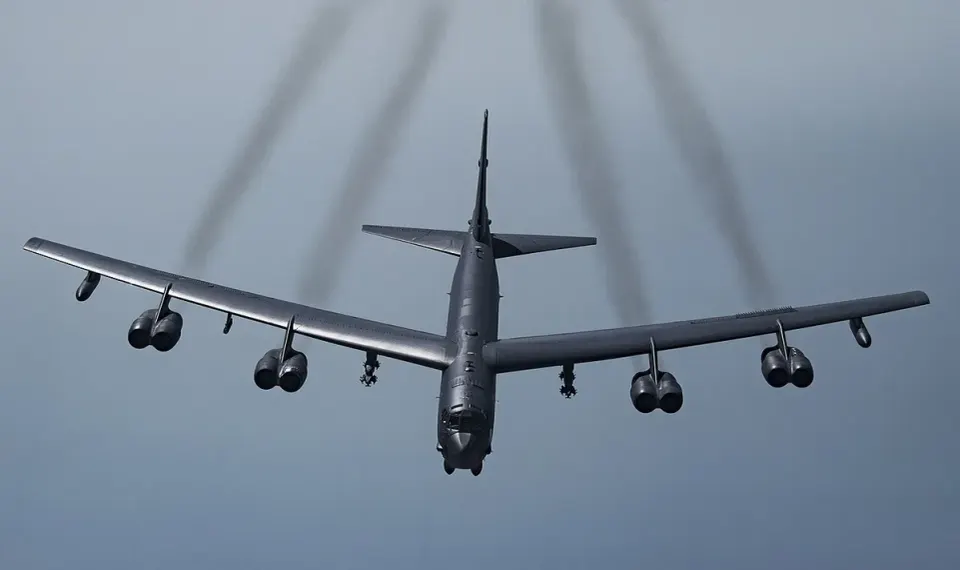
Global energy markets have been thrown into a state of high alert as crude oil prices surged past the $100 per barrel mark this morning. This significant psychological and economic threshold was breached following reports of direct military friction in the Strait of Hormuz, where the United States and Iran have reportedly traded air strikes. The escalation has intensified fears over the security of the world’s most vital oil transit chokepoint. With Yemen’s Houthi rebels also stepping up their campaign against Saudi Arabian infrastructure, the risk premium on oil is reaching levels not seen in years, prompting investors to pull back from riskier assets in anticipation of a sustained inflationary spike.
The implications of triple-digit oil are already rippling through the global economy. Central banks, including the Federal Reserve, are now facing renewed pressure to maintain or even increase interest rates to combat the expected rise in consumer prices. In Tehran, the impact on the local currency has been immediate but complex; the USD/IRR rate moved from 235,500 to 234,700 (-0.3%), a slight dip that suggests a cautious market waiting for the next geopolitical shoe to drop. While higher oil prices theoretically benefit an oil-exporting nation, the threat of expanded conflict and tightened sanctions often outweighs the revenue gains in the eyes of local currency traders.
Hospitality Industry Braces for Uncapped Tourist Taxes
A major policy shift in the United Kingdom is causing ripples across the global hospitality sector. The government has confirmed plans to grant mayors the power to impose a 'tourist tax' on overnight stays, notably without a mandated cap on how high these levies can go. While local leaders argue the funds are necessary to support infrastructure and public services strained by high visitor volumes, industry leaders are sounding the alarm. They warn that an uncapped tax could make major cities like London and Manchester uncompetitive compared to European rivals, potentially putting thousands of hospitality jobs at risk during an already fragile economic recovery.

This move represents a broader global trend where local governments are seeking new revenue streams to bypass central budget constraints. However, the timing is particularly sensitive. As global travel costs rise due to fuel surcharges and general inflation, an additional local tax could be the breaking point for price-sensitive travelers. For the broader market, this serves as a case study in how fiscal decentralization can lead to localized economic shocks, influencing everything from real estate investment in tourism hubs to the stock performance of major hotel chains and booking platforms.
Geopolitical Realignment and the Commodity Super-Cycle
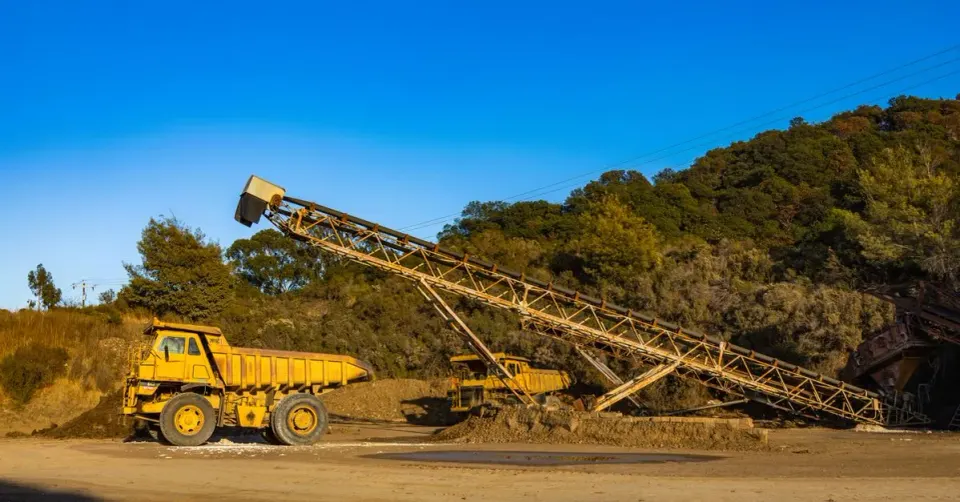
Amid the regional turmoil, senior Iranian officials are framing the current global instability as a catalyst for a permanent shift in power. Major General Yahya Rahim Safavi, a senior military adviser to the Leader, claimed today that decades of U.S. military engagement in the Middle East have accelerated the migration of economic and political influence toward the East. This rhetoric coincides with a period of intense volatility in commodity markets, where copper prices are currently 'surfing' all-time highs. The demand for copper, driven by the global transition to green energy and the massive infrastructure needs of the AI sector, has created a bullish long-term outlook that remains resilient despite the threat of regional wars.
However, the market remains divided on the sustainability of these price levels. Analysts suggest that while the 'green' transition provides a solid floor for copper, a sudden de-escalation in the Persian Gulf or a bursting of the AI investment bubble could trigger a sharp correction. For investors, the takeaway is clear: the intersection of geopolitics and the energy transition is creating a new class of 'strategic commodities' that are increasingly decoupled from traditional market cycles. As power shifts and supply chains are redrawn, the ability to navigate these overlapping crises will define the next era of global wealth distribution.
Frequently Asked Questions
Why did oil prices cross the $100 mark today?
How has the Iranian Toman responded to the $100 oil price?
What is the new 'tourist tax' in the UK and why is it controversial?
The Strategic Importance of the Strait of Hormuz
The Strait of Hormuz is arguably the world's most critical oil transit chokepoint, a narrow waterway connecting the Persian Gulf with the Arabian Sea and the broader Indian Ocean. Flanked by Iran to the north and Oman's Musandam Peninsula to the south, this 21-mile-wide passage is indispensable for global energy markets. Its strategic significance stems from the sheer volume of oil and liquefied natural gas (LNG) that traverses its waters daily, making it a lynchpin for the economies of major oil-producing nations in the Middle East and a vital artery for energy-consuming countries worldwide.
Each day, a substantial portion of the world's seaborne crude oil and petroleum products, along with a significant amount of LNG, passes through the Strait of Hormuz. This flow represents roughly one-fifth of global petroleum liquids consumption. Any disruption, whether due to geopolitical tensions, military conflict, or even an accidental blockage, can send immediate shockwaves through international energy markets. Such an event would drastically reduce global oil supply, leading to sharp spikes in crude oil prices and, consequently, fueling inflationary pressures across economies reliant on imported energy.
Historically, the Strait has been a flashpoint for regional and international tensions. Iran, possessing significant influence over the Strait due to its northern coastline, has on various occasions threatened to impede or close the waterway in response to international sanctions or perceived threats. Such threats, even if not fully realized, underscore the immense vulnerability of global energy supply chains to geopolitical instability in the region. The potential for conflict in or around the Strait of Hormuz remains a constant concern for policymakers, energy traders, and economists alike, given its profound implications for global economic stability.
Understanding the Strait of Hormuz is crucial for anyone seeking to grasp the dynamics of global oil prices, the interconnectedness of geopolitics and economics, and the inherent fragility of global supply lines. Its role as a strategic chokepoint means that events in this seemingly small body of water can have outsized effects, dictating everything from fuel prices at the pump to the broader trajectory of global inflation and economic growth.
Topics
Related Articles