Trump Links Iran War, Oil Prices to US Elections; North Korea Expands Nuclear Arsenal
ترامپ جنگ ایران و نفت را به انتخابات آمریکا گره زد؛ کره شمالی زرادخانه هستهای خود را گسترش میدهد
Former President Trump tied the ongoing Iran conflict and oil prices to the upcoming US midterm elections, while North Korea's new uranium facility raised global alarms. Domestically, gold and coin prices saw an uptick, though the USD/IRR remained stable.
At time of publishing
USD
235,500
Toman
Gold 18K
24.54M
Toman / gram
Bitcoin
$78,509
US Dollar
Tether
235,409.333
Toman
Market Open
The Tehran market awakens this Thursday with a mixed but largely stable outlook. The USD/IRR exchange rate held steady overnight, remaining at 235,500 Toman, indicating a period of calm after recent fluctuations. This stability provides a crucial anchor for businesses and individuals navigating daily economic realities, suggesting that immediate currency pressures might have temporarily eased.
Meanwhile, precious metals showed a modest uptick. Gold 18k per gram saw a slight increase of 0.4%, rising from 24,442,495 Toman to 24,539,452 Toman. Emami coin, a key barometer of investor sentiment in the domestic market, also experienced a noticeable rise of 1.2%, climbing from 242,000,000 Toman to 245,000,000 Toman. This upward movement in gold and coin prices often signals local hedging against inflation or geopolitical uncertainties, even as the currency market remains flat.
Globally, the crypto market saw some volatility, though Bitcoin maintained its critical $78,000 level, currently trading at $78,509 USD. Other major cryptocurrencies like Dogecoin experienced losses, dropping 5%. The USDT stablecoin mirrored the USD/IRR stability, holding firm at 235,409 Toman. These international and domestic market movements paint a complex picture for investors as the day begins.
Trump Ties Iran War, Oil Prices to November Elections, Promises $5,000 Stimulus
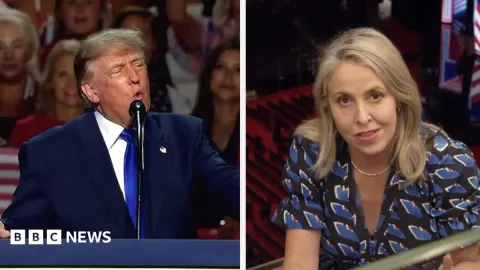
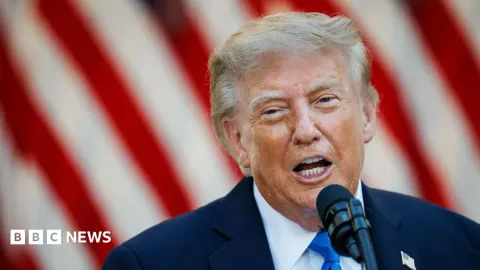
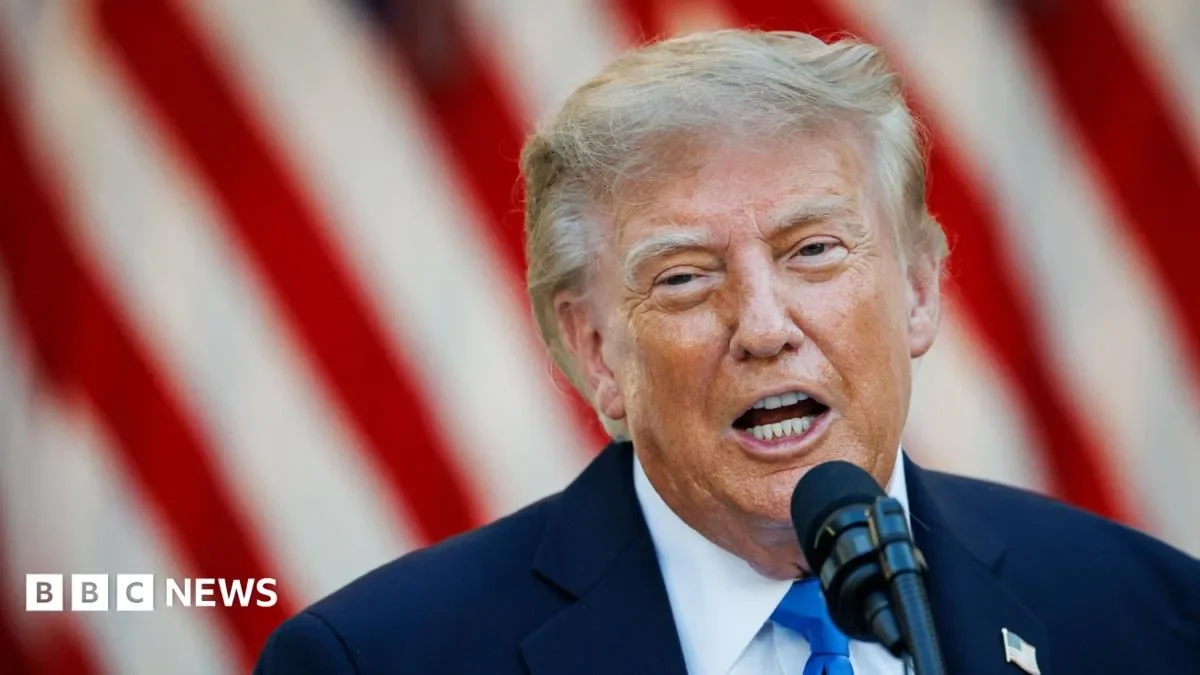
Donald Trump made headlines overnight with a series of provocative statements, directly linking the ongoing conflict with Iran and soaring oil prices to the upcoming November midterm elections. During a marathon convention speech, the former president asserted that the "Iran war won't end" and oil prices "won't come down" until after these crucial races, claiming, without presenting evidence, that Iran itself wishes to influence the election outcome. This rhetoric underscores the highly politicized nature of the conflict and its economic ramifications as a central issue in American domestic politics.
This declaration isn't merely about foreign policy; it's a potent political maneuver. Trump, grappling with low approval ratings amid a high cost of living and the protracted Iran conflict, positioned himself as the solution, promising a staggering $5,000 payment to every American adult if Republicans secure control of Congress in November. This outlandish proposal, estimated to cost over $1 trillion, aims to energize his base and frame the midterms as a referendum on his leadership and policies, including his controversial tariffs and the war itself. It highlights the Republican party's concerns about their electoral prospects and their willingness to deploy significant fiscal promises to sway voters.
For Iranian readers, these statements carry significant weight, directly impacting currency expectations, sanctions, and trade prospects. Trump's linkage of the war's duration to US elections suggests that the conflict remains deeply intertwined with American political cycles, potentially prolonging uncertainty and market volatility. The promise of massive domestic spending, while aimed at US voters, also reflects a broader US economic strategy that could have ripple effects on global markets and, by extension, Iran's economic outlook, particularly concerning oil revenues and the value of the Toman.
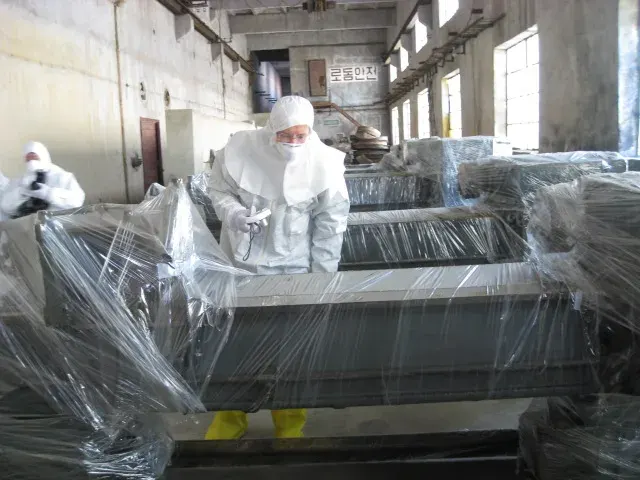
North Korea Expands Nuclear Arsenal with New Uranium Facility, UN Agency Reports
The International Atomic Energy Agency (IAEA) has expressed “serious concern” over evidence that North Korea has constructed a new facility designed to expand its nuclear arsenal. According to a recent report from the UN nuclear watchdog, the building, located at the country’s main Yongbyon nuclear facility, is capable of housing up to 28 centrifuge cascades—machinery essential for enriching weapons-grade uranium. This development marks a significant step in Pyongyang’s ongoing efforts to bolster its nuclear capabilities, raising alarm bells across the international community.
The expansion of the Yongbyon facility signals North Korea’s unwavering commitment to developing its nuclear program despite stringent international sanctions and diplomatic efforts to denuclearize the Korean Peninsula. Pyongyang views its nuclear weapons as a crucial deterrent against perceived external threats and a cornerstone of its national security strategy. The construction of a new enrichment facility indicates a clear intent to increase its capacity for producing fissile material, which could lead to a larger and more sophisticated arsenal of nuclear weapons.
This development carries profound implications for regional stability and global non-proliferation efforts. It intensifies pressure on international powers, including the United States, China, and South Korea, to recalibrate their strategies for engaging with North Korea. For the broader geopolitical landscape, it underscores the persistent challenge of nuclear proliferation and the limitations of current diplomatic and economic pressures. The news could further fuel regional arms races and heighten tensions, potentially impacting global risk appetite due to increased geopolitical uncertainty.
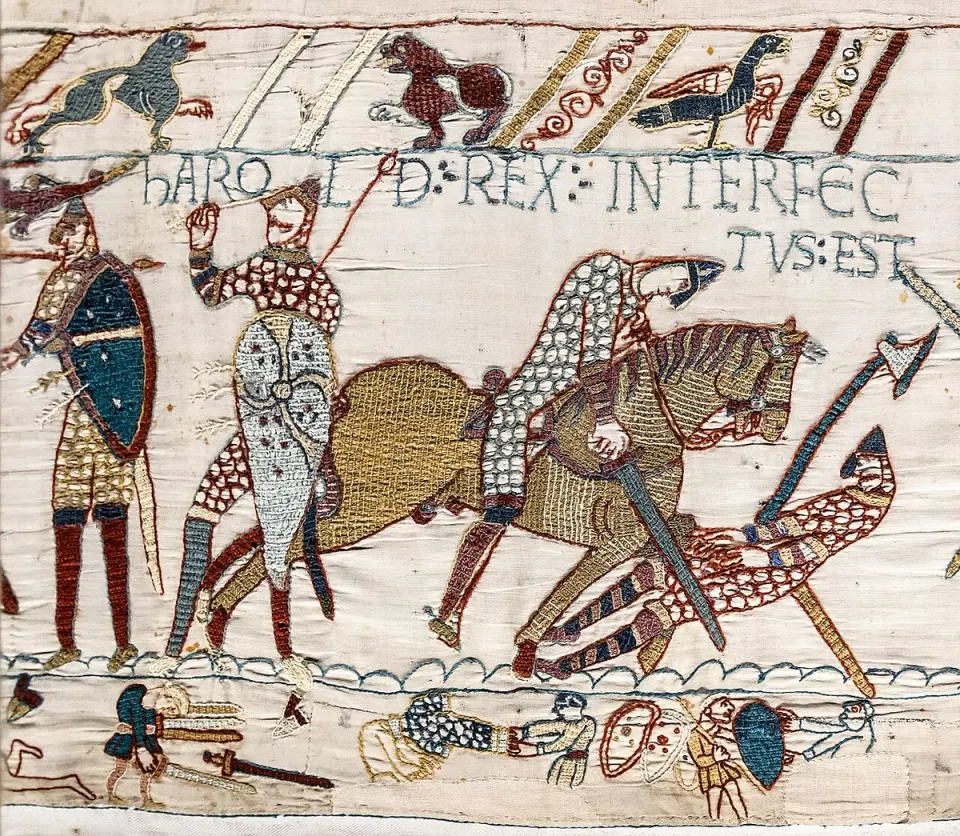
Bayeux Tapestry Exhibition Breaks Records, Highlights Cultural Diplomacy
In a notable cultural event, the Bayeux Tapestry exhibition has officially opened in London, drawing unprecedented public interest and breaking historical records for ticket sales at the British Museum. The medieval tapestry, depicting the 1066 Norman Conquest of England, has embarked on an epic journey to London, captivating audiences and generating immense excitement. The digital queue for tickets extended for nine hours upon release, and the exhibition has already surpassed the British Museum’s previous record for single-day ticket sales, signaling a profound global appreciation for historical artifacts.
The decision to display the Bayeux Tapestry in London, a loan from France, is more than just an exhibition; it represents a significant act of cultural diplomacy between two historical rivals and modern allies. Such high-profile cultural exchanges serve to strengthen bilateral ties, foster mutual understanding, and showcase shared heritage. The event has attracted attention from various high-profile figures, including King Charles and prominent investors like Peter Thiel, who were treated to early previews, further elevating its status as a landmark international cultural event.
While seemingly distinct from immediate financial markets, such cultural phenomena can have subtle economic and geopolitical implications. The massive public interest and record-breaking attendance translate into significant tourism revenue and boost the cultural sector. More broadly, successful cultural diplomacy can contribute to a softer global power projection, enhancing a nation’s influence and appeal. For Arzbin readers, it’s a reminder that global influence isn’t solely economic or military; cultural events, especially those with such historical weight, can also shape international perceptions and relationships, indirectly influencing the broader environment in which economies operate.
Frequently Asked Questions
Why did Donald Trump link the Iran war and oil prices to the US midterm elections?
What are the implications of North Korea's new uranium enrichment facility?
How did the Tehran market react to these global developments?
What is the significance of the Bayeux Tapestry exhibition in London?
How might Trump's promise of $5,000 checks affect the US economy?
The Geopolitics of Oil: How Global Events Fuel Domestic Politics
The seemingly disparate elements of global conflict, energy prices, and domestic elections are often tightly interwoven through the fundamental concept of the Geopolitics of Oil. This idea posits that crude oil is far more than just a commodity; it is a strategic asset whose supply, demand, and pricing are deeply influenced by international relations, conflicts, and political stability, with profound ripple effects on national economies and electoral outcomes worldwide.
At its core, the geopolitics of oil illustrates how instability in major oil-producing regions can quickly translate into global economic shocks. For instance, any perceived threat to oil production or transit routes in critical areas, such as the Middle East, can trigger anxiety in energy markets, leading to speculative buying and sharp price increases. These price hikes are not isolated events; they directly impact the cost of fuel for transportation, heating, and electricity, as well as the manufacturing and distribution costs for nearly all goods.
The economic consequences of rising oil prices are far-reaching, often leading to increased inflation, reduced consumer spending, and potential economic slowdowns or recessions. For political leaders, especially in oil-importing nations, managing these economic pressures becomes a critical challenge. Voters often link economic well-being directly to the performance of their government, making oil price fluctuations a significant factor in public approval and, consequently, electoral success or failure.
Therefore, when political figures like Donald Trump link potential conflicts (e.g., in Iran) and their impact on oil prices to US elections, they are highlighting a very real and historically proven dynamic. The perceived ability of a leader to ensure energy security, maintain economic stability, and navigate complex international crises that affect global oil markets can be a decisive factor in how voters cast their ballots, underscoring oil's enduring role as a geopolitical tool and a domestic political determinant.
Topics
Related Articles