Trump’s $5,000 Cash Pledge Rattles Markets as Houthis Seize Strategic Red Sea Port
وعده ۵۰۰۰ دلاری ترامپ و تصرف بندر استراتژیک المخا؛ تلاطم در بازارهای جهانی و آرامش نسبی در بازار تهران
Donald Trump has promised a $5,000 dividend to every American adult if Republicans win the midterms, a move analysts warn would cost $1.2 trillion and spike inflation. Meanwhile, Houthi forces have seized the strategic port of Mokha, sending oil shipping rates to record highs.
At time of publishing
USD
234,600
Toman
Gold 18K
24.22M
Toman / gram
Bitcoin
$77,951
US Dollar
Tether
234,200
Toman
The $1.2 Trillion Gambit: Trump’s Midterm Dividend
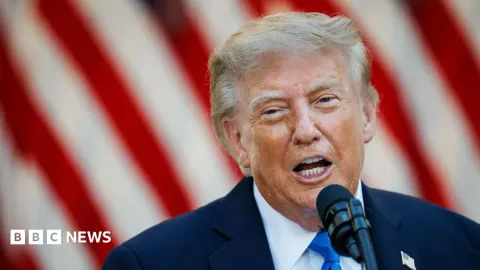
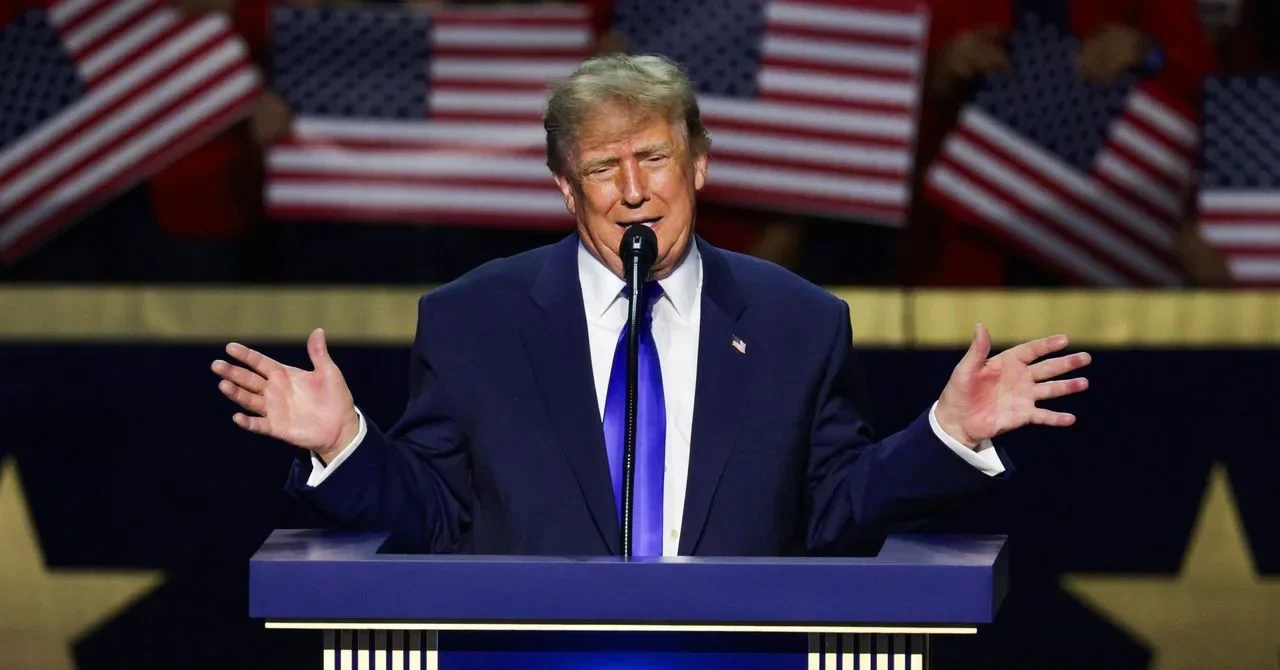
In a move that has sent shockwaves through global financial circles, Donald Trump announced a proposal to grant every adult American a $5,000 dividend should the Republican party secure victory in the upcoming midterm elections. Speaking at a party convention, the U.S. President pitched the plan as a direct stimulus to the middle class, though he notably omitted any technical details regarding its funding or implementation. Financial analysts were quick to run the numbers, estimating the total cost of such a program at a staggering $1.2 trillion, a figure that would almost certainly require massive new debt issuance or unprecedented monetary expansion.
While the promise has energized his political base, economists warn of severe inflationary consequences. Injecting over a trillion dollars of liquidity into a consumer economy already grappling with high energy costs could force the Federal Reserve into even more aggressive interest rate hikes. Critics and legal experts also point out that such a plan would require Congressional approval, making its actual realization highly improbable given the current legislative gridlock. Nonetheless, the mere suggestion of such a massive fiscal injection has caused Treasury yields to climb as investors brace for a potential shift in U.S. fiscal policy.

Red Sea Flashpoint: Houthis Seize Mokha Port
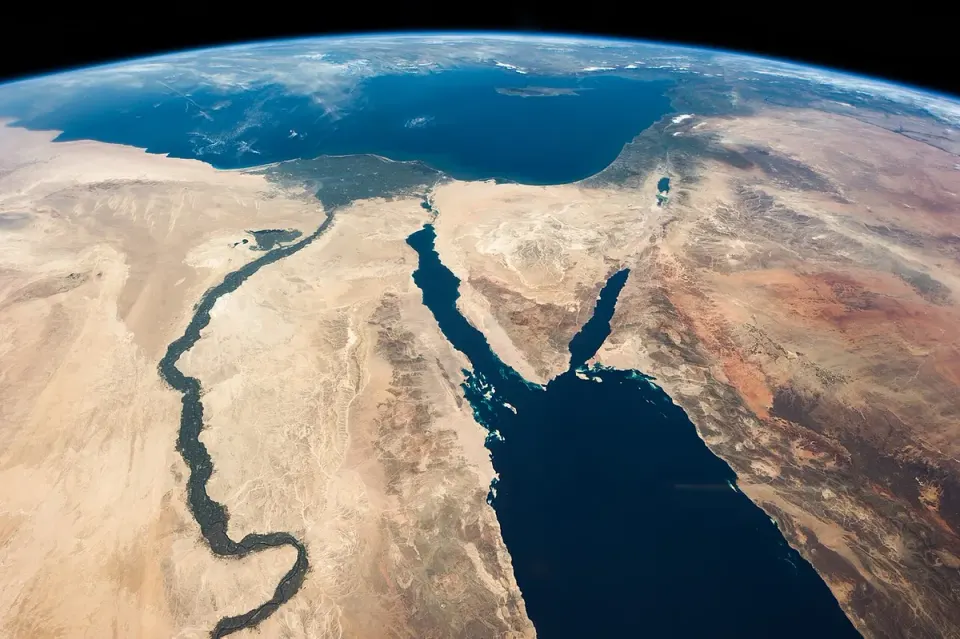
Geopolitical tensions in the Middle East reached a new boiling point this hour following reports that Houthi forces have seized the strategic port of Mokha in Yemen. The Iran-backed militia reportedly routed government forces in a swift offensive, effectively consolidating their control over one of the most critical maritime chokepoints in the world. Mokha sits near the Bab el-Mandeb strait, a narrow waterway through which millions of barrels of oil and billions of dollars in global trade pass daily. This seizure significantly enhances the group's ability to disrupt international shipping and exert pressure on global energy markets.
The immediate impact was felt in the shipping industry, where oil tanker rates have surged to record highs. Tanker operators are now demanding massive premiums to navigate the Red Sea and the Gulf of Aden, with many opting for the much longer and more expensive route around the Cape of Good Hope. This logistical nightmare comes at a time when Brent crude is already trading above $102 per barrel. The escalation in Yemen, coupled with the ongoing tanker friction in the Persian Gulf, suggests that the 'risk premium' on oil is unlikely to dissipate anytime soon, further complicating the global inflation outlook.
ECB Tightens the Screws Amid Energy Uncertainty
The European Central Bank (ECB) is virtually certain to raise interest rates today, a move that Wall Street and European markets have been anticipating with growing anxiety. The decision comes as the Eurozone faces a dual threat: persistent core inflation and a fresh surge in energy prices triggered by the Middle East crisis. While some bond market participants had hoped for a pause, the recent escalation in the Red Sea has effectively forced the ECB’s hand. Policymakers are concerned that if they do not act decisively now, the secondary effects of rising fuel costs will become embedded in the European economy.
However, there is significant dissent among analysts regarding the 'terminal rate'—the point at which the ECB will stop hiking. If energy prices continue to climb due to the Houthi-led disruptions and the broader U.S.-Iran tensions, the ECB may be forced to keep rates higher for longer, increasing the risk of a deep recession in the bloc. This hawkish stance in Europe is providing some support to the Euro, but it is also weighing heavily on tech futures and global risk appetite, as the era of cheap credit appears to be firmly in the rearview mirror.
Tehran Market Analysis: A Divergence from Global Volatility
Despite the explosive geopolitical developments in the Red Sea and the inflationary rhetoric coming out of Washington, the Tehran foreign exchange market showed a surprising degree of resilience today. The US Dollar (USD) sell rate edged lower, moving from 235,500 to 234,600 Toman, representing a 0.4% decrease over the last 24 hours. This minor appreciation of the Toman suggests that local traders may have already priced in much of the regional tension, or are perhaps waiting for a more definitive signal from the ongoing diplomatic backchannels before committing to a new direction.
Gold prices in the domestic market followed a similar downward trajectory. 18k gold per gram dropped from 24,442,495 to 24,216,261 Toman, a 0.9% decline that outpaced the currency's movement. The Emami coin also saw a slight retreat, falling from 242,000,000 to 241,000,000 Toman (-0.4%). While global gold prices remain sensitive to U.S. Treasury yields and the strength of the dollar, the local market's dip reflects a temporary cooling of speculative demand. However, with oil prices remaining high and regional conflicts expanding, this period of relative calm in the Toman market may face significant tests in the coming days.
Regional Briefs: Ukraine Strikes and Asian Games
Beyond the economic and maritime headlines, the conflict in Eastern Europe continues to escalate with direct implications for regional stability. Russian drone strikes have reportedly killed at least nine people in Ukraine, targeting warehouses and port infrastructure. European leaders have characterized these attacks as part of a broader pattern of aggression that now reaches the very doorstep of NATO. The use of drone technology in these strikes remains a point of intense international scrutiny, particularly regarding the supply chains and partnerships that enable such persistent aerial campaigns against civilian and logistics hubs.
In a lighter but still significant regional development, the Asian Games have officially commenced in Japan. In an early basketball matchup, Qatar defeated Iran, marking a challenging start for the Iranian delegation. While sports often serve as a bridge for diplomacy, the competitive nature of the games reflects the broader regional rivalries. For many Iranians, the performance of their national teams provides a brief respite from the heavy economic and political news cycle, even as the country navigates one of its most complex geopolitical periods in recent history.
Watch
Trump Promises $5,000 'dividend' For Every American Adult. What You Need To Know - Sept. 10
ABC News
Frequently Asked Questions
چرا وعده ۵۰۰۰ دلاری ترامپ برای بازارها نگرانکننده است؟
تصرف بندر المخا چه تأثیری بر قیمت نفت دارد؟
چرا قیمت دلار در تهران با وجود تنشهای جهانی کاهش یافت؟
Understanding Stagflation: When Inflation Meets Stagnant Growth
The combination of a proposed significant cash injection into the economy and escalating geopolitical tensions in critical shipping lanes brings to the forefront a challenging economic phenomenon: Stagflation. This term describes a period characterized by high inflation, high unemployment (or stagnant economic growth), and often, a contraction in the economy. It defies conventional economic wisdom, which typically suggests that inflation and unemployment move in opposite directions—high demand usually leads to both higher prices and more jobs, while low demand leads to lower prices and fewer jobs.
Stagflation typically arises from two main factors. First, a severe supply shock, such as a sudden increase in the price of a key commodity like oil, can significantly raise production costs for businesses across the board. This reduces the economy's ability to produce goods and services, leading to higher prices (inflation) and lower output (stagnation or unemployment). The seizure of a strategic port in the Red Sea and the resulting increase in oil prices, as hinted by the keywords, represents just such a potential supply shock, disrupting global supply chains and driving up costs.
Second, inappropriate macroeconomic policies can exacerbate the situation. While a large cash pledge like the $5,000 dividend could stimulate demand, if the economy is simultaneously hit by supply constraints, this increased demand simply chases fewer goods, pushing prices even higher without necessarily creating sustainable growth or employment. Central banks, like the ECB mentioned in the keywords, then face a difficult dilemma: raising interest rates to combat inflation risks further slowing an already struggling economy, while not acting allows inflation to spiral out of control. This policy tightrope is what makes stagflation so particularly challenging for governments and central banks to address.
Historically, the 1970s oil crises provide a stark example of stagflation, where rising energy costs combined with expansionary monetary policies led to years of high inflation and sluggish economic performance. The keywords suggest a similar confluence of factors: geopolitical events driving up commodity prices (Red Sea, oil price Brent 102), potential fiscal stimulus (Trump's $5,000 pledge), and central bank responses (ECB rate hike). Understanding stagflation is crucial for grasping how these seemingly disparate events can collectively rattle markets and significantly impact everyday economic realities, from currency values (USD IRR price) to the cost of living.
Topics
Related Articles