Nasdaq Bets $100M on Kraken as Houthis Seize Strategic Port and Afghanistan Marks 25 Years of Conflict
سرمایهگذاری ۱۰۰ میلیون دلاری نزدک در کراکن همزمان با سقوط بندر استراتژیک المخا و مرور ۲۵ سال جنگ افغانستان
Nasdaq has injected $100 million into Kraken’s parent company to accelerate tokenized stock trading, while Houthi forces in Yemen have seized the strategic port of Mocha. Meanwhile, the world reflects on 25 years of conflict in Afghanistan as regional tensions continue to rattle global energy and security corridors.
At time of publishing
USD
234,800
Toman
Gold 18K
24.15M
Toman / gram
Bitcoin
$77,430
US Dollar
Tether
234,722.986
Toman
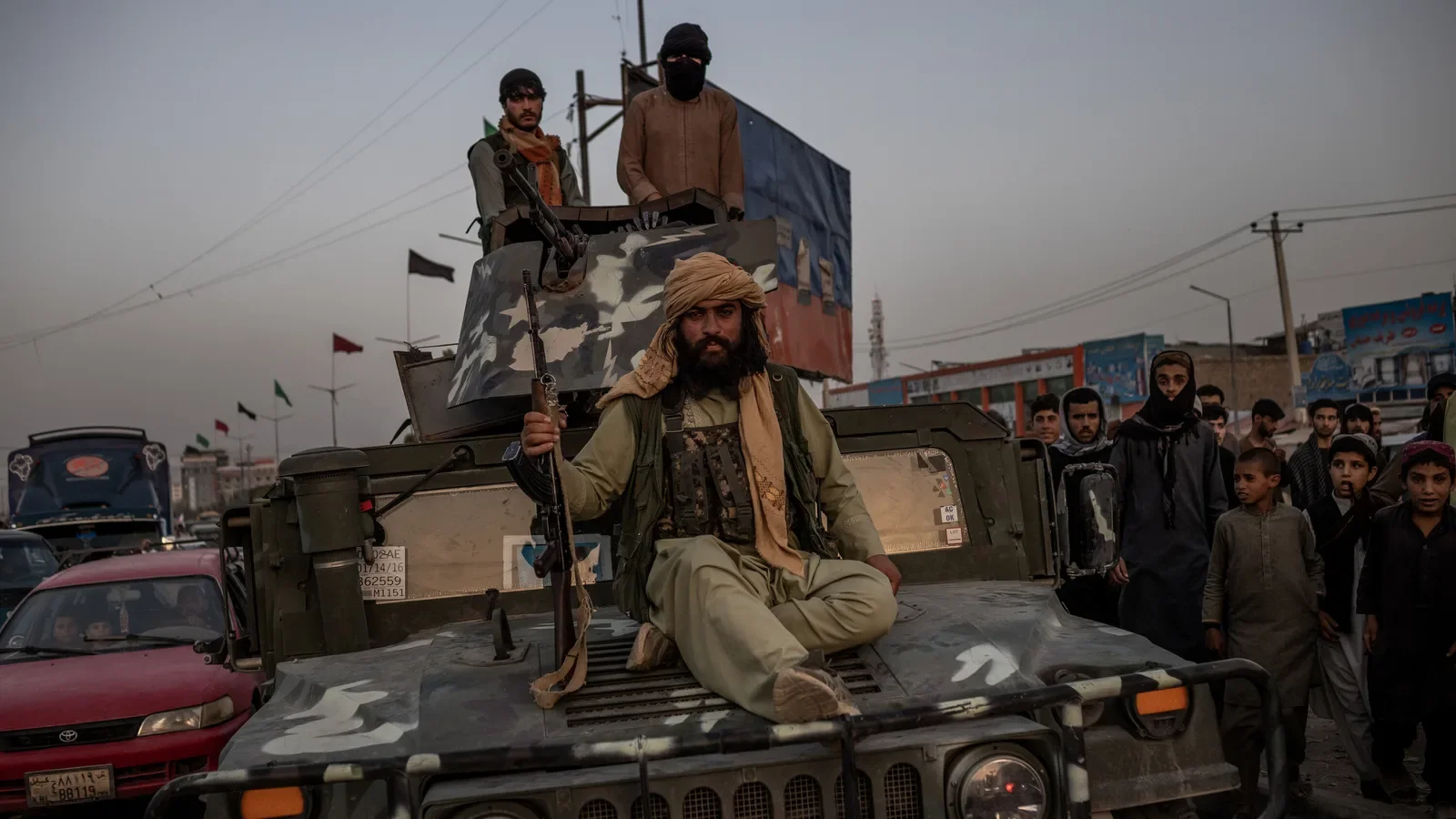
A Quarter Century of the Forever War: Afghanistan’s Long Shadow
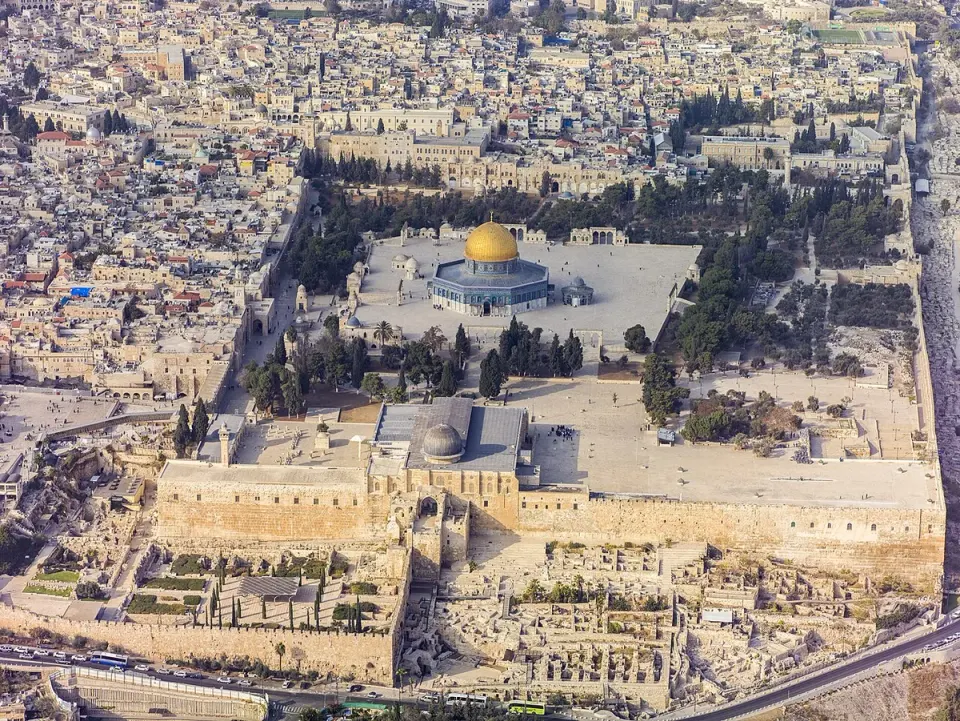
As the world approaches the 25th anniversary of the September 11 attacks, the legacy of the 'Forever War' in Afghanistan remains a haunting backdrop to modern geopolitics. New archival documentation and visual retrospectives have brought the stark reality of this conflict back into the global spotlight, tracing the journey from the initial U.S. invasion in 2001 to the chaotic withdrawal in 2021 and the subsequent return of the Taliban. This quarter-century of struggle has not only reshaped the borders of Central Asia but has fundamentally altered the American approach to foreign intervention and regional alliances.
For the global economy, the Afghan legacy is a reminder of the high cost of instability. While the direct market impact of Afghan internal affairs has lessened since the U.S. exit, the vacuum left behind continues to influence regional security dynamics, particularly concerning migration patterns and the narcotics trade. The anniversary serves as a somber moment for policymakers to evaluate the long-term efficacy of military intervention, especially as new conflicts in the Middle East and Eastern Europe demand similar levels of strategic attention and financial commitment.
Strategic Disaster: Houthis Seize the Port of Mocha
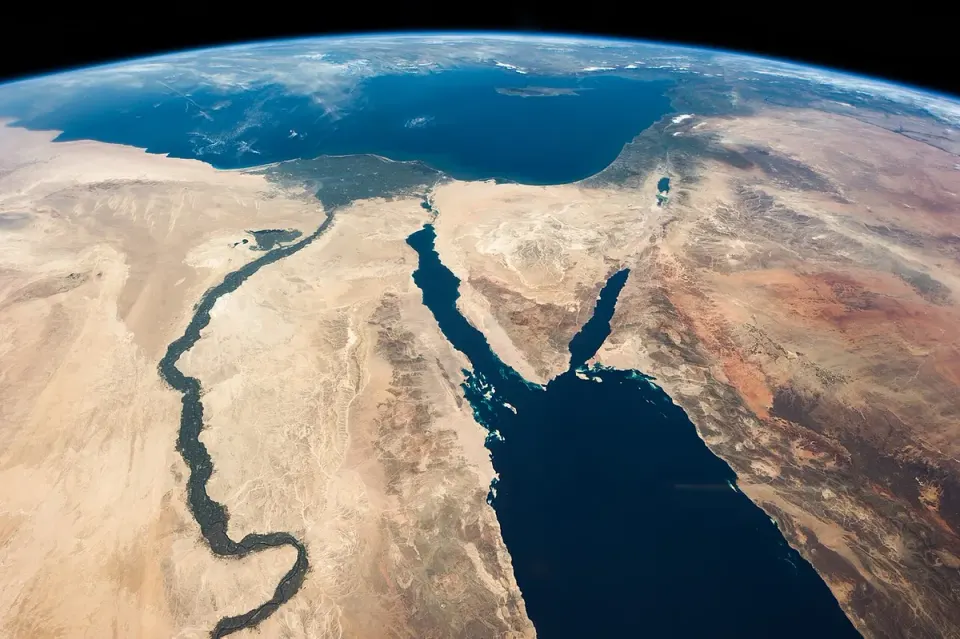
In a major escalation of the regional conflict, Iran-aligned Houthi rebels have successfully seized the historic and strategic port of Mocha on Yemen’s Red Sea coast. This move represents a significant blow to the Saudi-backed government and its international allies, as it grants the Houthis nearly complete control over the country’s western coastline. By securing Mocha, the Houthis now possess a dominant vantage point over the Bab el-Mandeb Strait, one of the world's most critical maritime chokepoints for oil and commercial shipping. This development effectively puts Iran-linked forces in a position to exert pressure on both the Strait of Hormuz and the Red Sea simultaneously.
The seizure of Mocha is not merely a local victory; it is a geopolitical tectonic shift. Global shipping firms are already bracing for increased insurance premiums and potential rerouting of vessels around the Cape of Good Hope, which could reignite inflationary pressures in Europe and Asia. The international community, led by the U.S. and Saudi Arabia, now faces the daunting task of securing these waters without triggering a full-scale regional conflagration. For Iranian readers, this escalation often translates into heightened volatility for the Toman, as the risk of direct military confrontation looms larger over the Persian Gulf.
Institutional Faith: Nasdaq’s $100M Investment in Kraken
While the broader cryptocurrency market experienced a slight retreat this week, with Bitcoin falling approximately 2% to trade near $77,430, institutional giants are doubling down on the sector's infrastructure. Nasdaq has reportedly invested $100 million in Payward, the parent company of the Kraken exchange, at a staggering $21 billion valuation. This strategic move is aimed at bridging the gap between traditional finance and digital assets through the development of tokenized stock products. Nasdaq’s goal is to enable 24/7 trading of equities, a move that could revolutionize how global capital markets operate by removing the constraints of traditional exchange hours.
This investment signals that despite short-term price fluctuations—such as the recent dip in altcoins and memecoins—the underlying technology of blockchain is being integrated into the core of the financial system. For investors in Iran, who often use platforms like Kraken or its peers to hedge against local currency depreciation, this institutional backing provides a layer of long-term legitimacy to the industry. It suggests that the future of trading lies in the convergence of regulated stock exchanges and the efficiency of decentralized ledgers, even as the market navigates a 'nasty day' for on-chain assets.
Market Pulse: Toman Gains Ground Amid Global Volatility
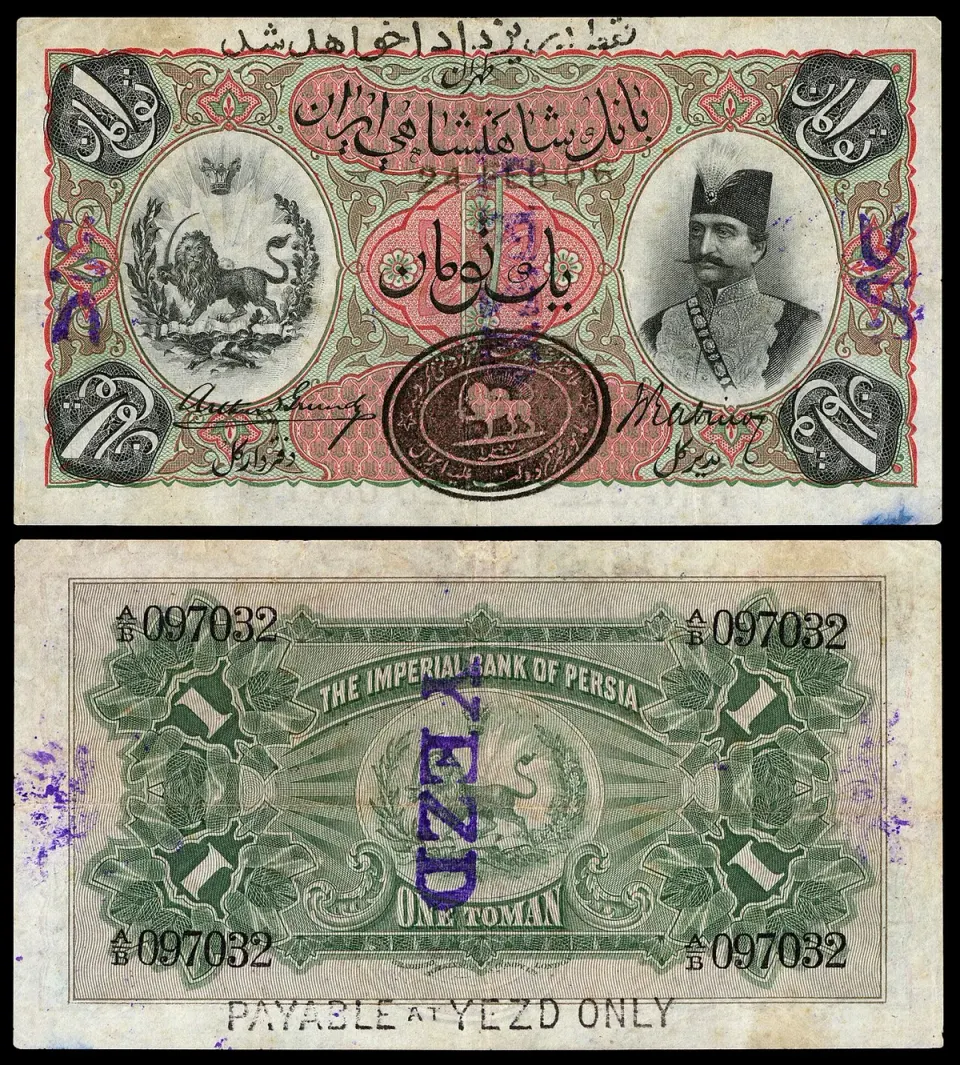
Despite the intensifying regional rhetoric and the IRGC’s claims of 'full combat readiness' in Tehran, the Iranian domestic market showed surprising resilience today. The USD/IRR exchange rate saw a minor correction, with the US Dollar selling price moving from 235,500 to 234,800 Toman, marking a decrease of 0.3%. This slight strengthening of the Toman may be attributed to local market exhaustion after recent spikes or tactical interventions by the central bank to maintain stability during a period of high geopolitical friction.
In the precious metals sector, the decline was more pronounced. Gold 18k per gram dropped from 24,442,495 to 24,147,005 Toman, a 1.2% decrease, tracking both the local currency's slight gain and a shift in global gold prices which currently sit at $4,342.60 per ounce. The Emami coin also followed this downward trend, falling 0.4% to 241,000,000 Toman. These movements suggest that while regional risks are high, traders are currently more focused on technical levels and immediate liquidity needs rather than panic-buying, though the situation remains extremely fluid as the Houthi advance continues.
Frequently Asked Questions
چرا تصرف بندر المخا توسط حوثیها برای اقتصاد جهانی اهمیت دارد؟
سرمایهگذاری نزدک در کراکن چه تغییری در بازارهای مالی ایجاد میکند؟
علت کاهش قیمت طلا در بازار ایران با وجود تنشهای منطقهای چیست؟
Understanding Geopolitical Risk in a Volatile World
Geopolitical risk refers to the potential for political instability, conflicts, and international relations to disrupt global markets, trade, and economic activity. It encompasses a broad range of events, from armed conflicts and terrorism to trade wars, sanctions, and significant political shifts within major nations. Unlike purely economic risks, geopolitical risks are often unpredictable, can escalate rapidly, and have far-reaching consequences that ripple across industries and national borders, influencing everything from commodity prices to investor confidence.
The recent actions by Houthi forces in the Red Sea, particularly their targeting of shipping in the Bab el-Mandeb Strait, serve as a potent example of how geopolitical risk materializes. This narrow maritime chokepoint is crucial for global trade, connecting the Mediterranean Sea via the Suez Canal to the Indian Ocean. Disruptions here force ships to take longer, more expensive routes around Africa, increasing freight costs, insurance premiums, and transit times. Such events highlight the vulnerability of global supply chains to regional conflicts, impacting consumer prices and the profitability of businesses worldwide.
Beyond direct trade disruptions, geopolitical risks profoundly affect financial markets. They can trigger market volatility, lead to sharp fluctuations in oil and gas prices, and influence currency exchange rates as investors seek safe-haven assets. Prolonged conflicts, like the one in Afghanistan, or regional tensions, like those in the Middle East, can deter foreign investment, destabilize economies, and divert resources from productive uses to military spending. Understanding geopolitical risk is therefore essential for investors, policymakers, and businesses alike, as it shapes strategic decisions, risk management frameworks, and long-term economic outlooks in an interconnected global economy.
Topics
Related Articles