
Wholesale Inflation Rises on Oil and Iran War; AI Data Centers Seek Power Solutions
تورم عمدهفروشی با نفت و جنگ ایران افزایش یافت؛ مراکز داده هوش مصنوعی به دنبال راهکارهای انرژی
US wholesale inflation saw a significant uptick in August, fueled by rising oil prices and the ongoing conflict involving Iran, complicating the Federal Reserve's decision-making. Meanwhile, the insatiable energy demands of AI data centers are driving innovation in power generation, with a focus on industrial boilers and steam turbines.
At time of publishing
USD
234,900
Toman
Gold 18K
24.21M
Toman / gram
Bitcoin
$76,914
US Dollar
Tether
235,995
Toman
US Wholesale Inflation Surges Amidst Geopolitical Tensions
Wholesale prices in the United States climbed again in August, a worrying sign for inflation that will heavily influence the Federal Reserve's upcoming interest rate decision. The Producer Price Index (PPI) report indicated a notable increase, primarily driven by elevated gasoline costs, a direct consequence of the escalating conflict in the Middle East and its impact on global oil supply dynamics. This inflationary pressure complicates the Fed's balancing act as it attempts to curb inflation without stifling economic growth.
The implications of this renewed inflationary surge are far-reaching. For consumers, it suggests that the cost of goods may continue to rise, eroding purchasing power and potentially leading to more cautious spending habits. For the Federal Reserve, the August PPI data presents a difficult choice: either raise interest rates further to combat inflation, risking a recession, or hold steady and risk inflation becoming entrenched. The market's reaction has been cautious, with investors closely watching for any signals from Fed officials regarding future monetary policy. The continued instability in oil markets, exacerbated by the Iran-related crisis, is a key factor to monitor.
---
AI Data Centers Turn to Industrial Power Solutions
The relentless growth of artificial intelligence is placing an unprecedented demand on energy infrastructure, forcing a rethink of how massive AI data centers are powered. Companies are increasingly looking towards industrial boilers and steam turbines to meet these colossal energy needs. This shift reflects the sheer scale of electricity consumption required for training and running advanced AI models, which far surpasses traditional computing requirements.
This innovative approach to power generation is driven by the need for reliable and scalable energy sources. Industrial boilers and steam turbines, traditionally used in heavy industry, offer a robust solution for providing the consistent power output that data centers require. The integration of these technologies is not just about meeting demand but also about exploring more efficient and potentially cost-effective ways to power the AI revolution. As AI capabilities expand, the energy sector will need to adapt rapidly, with significant investment expected in new power generation technologies and grid modernization.

---
London Arrests Hint at Iran's Intelligence Operations Abroad
Two individuals have been arrested in London on suspicion of assisting Iran's intelligence service, a development that underscores the ongoing international scrutiny of Tehran's covert activities. British police have emphasized that these arrests are not directly linked to previous incidents involving the Jewish and Iranian communities in London earlier this year, suggesting a broader pattern of alleged Iranian intelligence operations.
While details remain scarce, the arrests signal a continued effort by Western authorities to track and counter suspected espionage and influence operations by the Iranian regime. Such actions, if substantiated, can have significant diplomatic repercussions and potentially lead to increased tensions between Iran and the countries involved. For the Iranian diaspora and those concerned about regional stability, these events highlight the persistent challenges posed by Iran's foreign intelligence apparatus and its impact on international relations.

---
Yemen Port Seizure Threatens Global Energy Flows
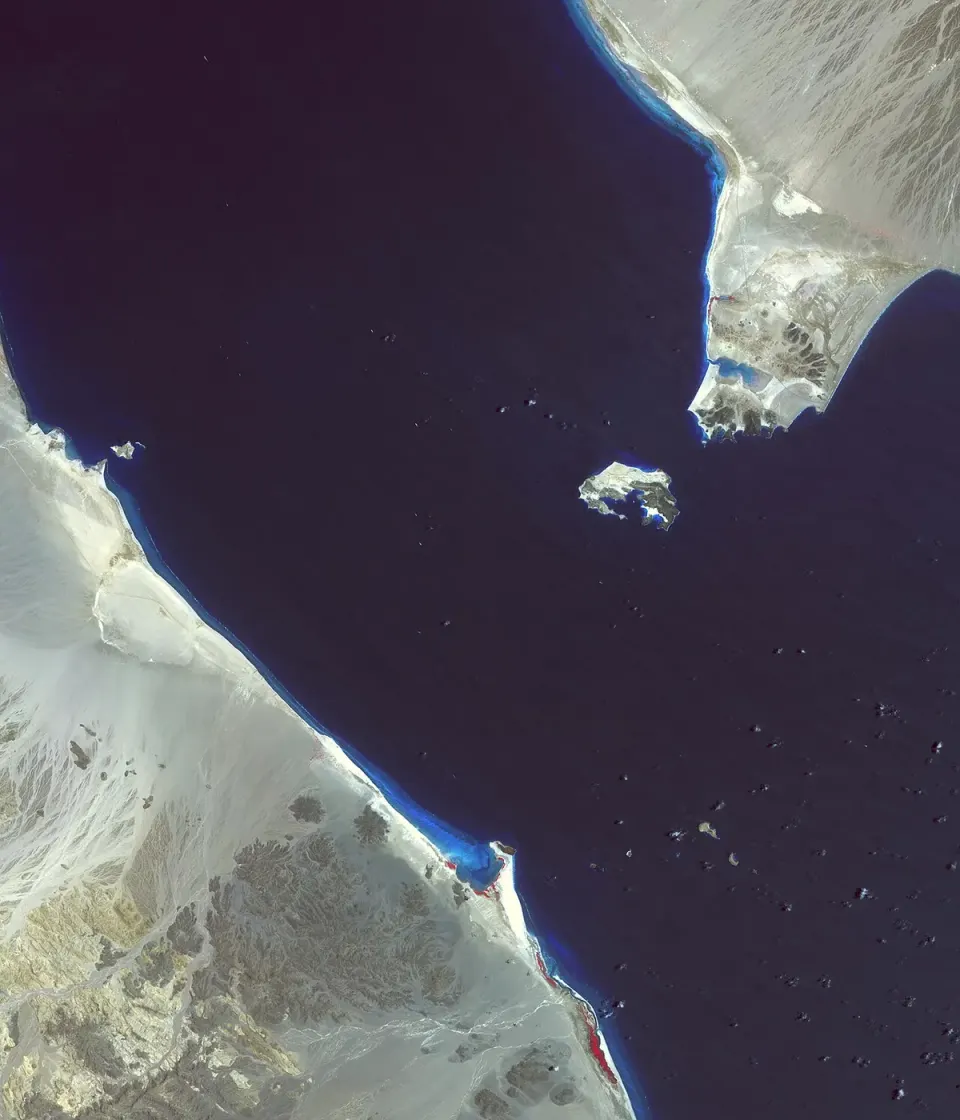
Iran-aligned Houthi militants have seized control of the vital Yemeni port city of Mocha, a development that poses a further significant threat to global energy supplies and shipping routes. This strategic gain by the Houthis, who already exert considerable influence over the Bab el-Mandeb Strait – a crucial chokepoint for maritime trade – intensifies concerns about disruptions to the flow of oil and other commodities. The port's capture grants the militants greater leverage and allows for potential attacks on nearby strategic islands, further destabilizing the region.
The implications for global energy markets are considerable. Any significant disruption in the Bab el-Mandeb Strait, one of the world's busiest shipping lanes, can lead to increased oil prices and supply chain volatility. Major energy firms, including HSBC, have already revised their forecasts upwards, citing the ongoing crisis in the Strait of Hormuz and now this new threat in Yemen as factors tightening the market. This escalating situation underscores the interconnectedness of geopolitical stability and energy security, with potential ripple effects felt worldwide, including impacting the value of the Iranian Toman and gold prices.
---
HSBC Boosts Brent Crude Forecast Amid Hormuz Crisis
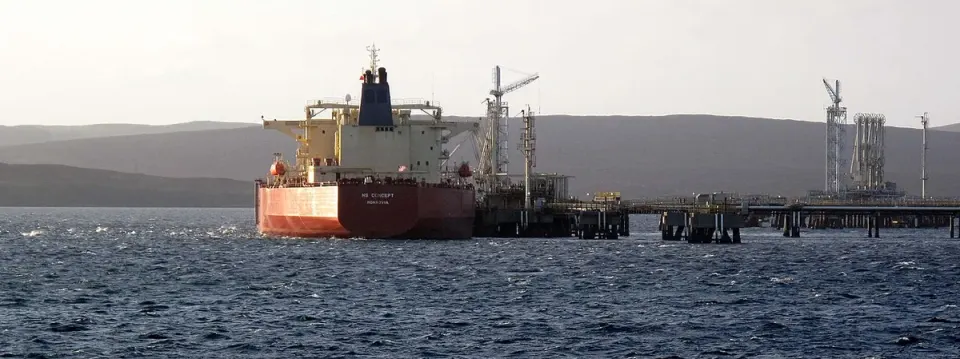
HSBC has significantly raised its price forecast for Brent Crude oil for 2026, projecting it to reach $90 per barrel, up from a previous estimate of $80. This upward revision is directly attributed to the persistent crisis in the Strait of Hormuz and the broader geopolitical instability in the Middle East, which continues to tighten global oil markets. The bank's analysts note that a clear path to de-escalation remains elusive, suggesting that elevated oil prices could persist longer than initially anticipated.
The report from HSBC highlights that the oil markets are unlikely to rebalance until mid-2027, underscoring the long-term impact of current geopolitical tensions. While a fragile understanding between the U.S. and Iran is considered the base-case scenario, the potential for breakdowns and uncertainties, particularly concerning shipping, remains high. This outlook suggests continued upward pressure on energy costs, which will likely translate into higher inflation globally and influence central bank policies, including those of the U.S. Federal Reserve. The rising oil prices also have direct implications for the Iranian economy and regional currencies like the Toman.
Frequently Asked Questions
What is the current trend for US wholesale inflation?
How is the Iran conflict affecting global oil prices?
Why are AI data centers turning to industrial boilers?
What is the significance of the Houthi seizure of Mocha port?
What do the arrests in London suggest about Iran?
Understanding Supply-Side Shocks and Inflation
When news headlines link rising inflation to geopolitical events like conflicts affecting oil supplies, they're often pointing to a crucial economic phenomenon known as a supply-side shock. In economics, a supply-side shock refers to an unexpected event that suddenly changes the supply of a commodity or service, often leading to a significant shift in its price. Unlike demand-side inflation, which arises from too much money chasing too few goods, supply-side inflation stems from disruptions to the production or delivery of goods themselves.
Geopolitical tensions, such as the Iran conflict and Houthi attacks in the Red Sea, are classic examples of events that can trigger supply-side shocks, particularly in the global oil market. The Red Sea is a vital shipping lane for oil and other goods. When this route becomes dangerous or inaccessible, shipping costs rise, and the supply of oil to global markets can be constrained. This reduction in effective supply, even if demand remains constant, drives up oil prices. Since oil is a fundamental input for transportation, manufacturing, and energy production, these higher costs ripple through the economy.
For businesses, increased oil prices mean higher costs for raw materials, energy, and logistics. These elevated input costs are reflected in wholesale inflation, as producers pay more to create and distribute their products. Eventually, these higher wholesale prices are often passed on to consumers in the form of higher retail prices, contributing to broader inflation. Central banks, like the Federal Reserve, face a dilemma in such situations: while raising interest rates can curb demand-driven inflation, it is less effective against supply shocks and can even exacerbate an economic slowdown if not carefully managed. Understanding supply-side shocks helps us grasp why certain types of inflation are particularly challenging to address.
Topics
Related Articles