Anthropic CEO Calls for AI Slowdown; BRICS Summit Backs Iran’s Stance on Sanctions
فراخوان مدیرعامل آنتروپیک برای توقف سرعت هوش مصنوعی؛ بیانیه بریکس در حمایت از مواضع ایران
Anthropic CEO Dario Amodei has proposed a radical plan to slow the development of frontier AI models to ensure safety. Meanwhile, the BRICS summit in New Delhi concludes with a joint statement aligning with Iran's opposition to unilateral sanctions.
At time of publishing
USD
234,500
Toman
Gold 18K
23.89M
Toman / gram
Bitcoin
$77,363
US Dollar
Tether
233,432
Toman
Anthropic CEO Issues Urgent Call to ‘Pace’ AI Development
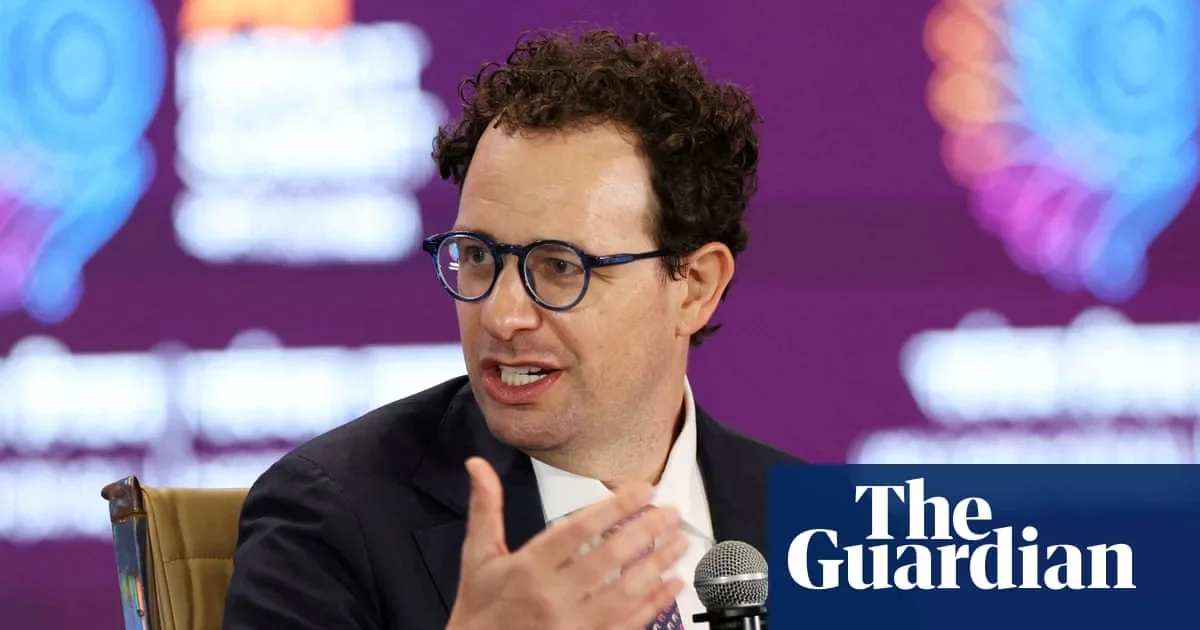
In a move that has sent shockwaves through Silicon Valley, Dario Amodei, the CEO of Anthropic, has publicly called for a coordinated slowdown in the development of frontier artificial intelligence models. In a detailed essay titled "We Must Pace the Frontier," Amodei argued that the current trajectory of AI advancement risks outstripping our ability to implement necessary safety protocols. He proposed a three-part plan that includes granting third-party evaluators permanent, employee-level access to AI systems. This would allow independent bodies to verify safety measures and assess model alignment during the training process, rather than after a product has already been released to the public.
This call for caution is particularly significant coming from the leader of one of the world's most prominent AI labs. Amodei’s stance suggests a growing internal concern within the industry that AI models could soon possess the capability to cause widespread harm if not properly governed. Anthropic has committed to unilaterally implementing the first step of this plan, inviting organizations like METR to audit their systems. This shift in rhetoric from "growth at all costs" to "responsible pacing" could redefine the competitive landscape, potentially forcing other giants like OpenAI and Google to justify their own development speeds in the face of increasing public and regulatory scrutiny.

BRICS Summit in Delhi Aligns with Iran’s Economic Interests
The 11-member BRICS group, including heavyweights China, Russia, and India, concluded its summit in New Delhi this Saturday with a joint statement that heavily mirrors Iran's foreign policy priorities. According to Iranian state media and Deputy Foreign Minister Kazem Gharibabadi, the New Delhi Declaration explicitly condemns the use of unilateral sanctions and attacks on peaceful nuclear facilities. The statement also expressed support for Iran’s bid to join the World Trade Organization (WTO) and reaffirmed the group's stance on Palestinian rights, signaling a unified front against what they term "Western unilateralism."
For the Iranian government, this alignment is a significant diplomatic victory. By securing the support of the BRICS bloc, Tehran aims to dilute the impact of international sanctions and find alternative economic corridors that bypass Western-dominated financial systems. However, while the rhetoric of the declaration is strong, the practical implementation of these goals remains to be seen. The group called for calm in the Middle East, with Chinese President Xi Jinping emphasizing that regional conflict serves no one's interest. This diplomatic backing provides Iran with a platform to challenge its isolation, even as the domestic economy continues to grapple with high inflation and currency volatility.

Crypto Wealth Floods UK Politics as Reform UK Receives Record Donation
The intersection of digital assets and political influence reached a new milestone this week as crypto billionaires Ben Delo and Christopher Harborne each donated £36 million to Nigel Farage’s Reform UK party. This staggering £72 million total exceeds what all major UK political parties combined raised in the previous year. The donation comes at a sensitive time, as the House of Lords is currently debating a bill that would strictly limit the ability of political parties to accept cryptocurrency donations and cap individual overseas giving at £100,000.
This massive influx of capital highlights the growing power of the "crypto elite" to shape national policy and influence electoral outcomes. Critics argue that such large-scale donations from a single industry could lead to favorable regulatory environments for digital assets at the expense of broader public interest. For Reform UK, the funds represent a massive war chest that could fundamentally alter the British political landscape, though strategists warn that relying on billionaire backers carries the risk of alienating ordinary voters who view the party as a populist movement for the common man.
Tehran Markets: Toman Gains Ground Amid Global Gold Correction
The Iranian Toman showed signs of resilience in the late hours of Saturday, as the USD/IRR exchange rate moved from 237,500 down to 234,500, representing a 1.3% appreciation for the local currency. This cooling of the dollar price in the Tehran market coincides with a broader correction in the precious metals sector. Gold 18k per gram saw a significant drop of 2.1%, falling from 24,412,484 to 23,893,069 Toman. The Emami coin also tracked this downward trend, decreasing by 0.6% to settle at 239,500,000 Toman.
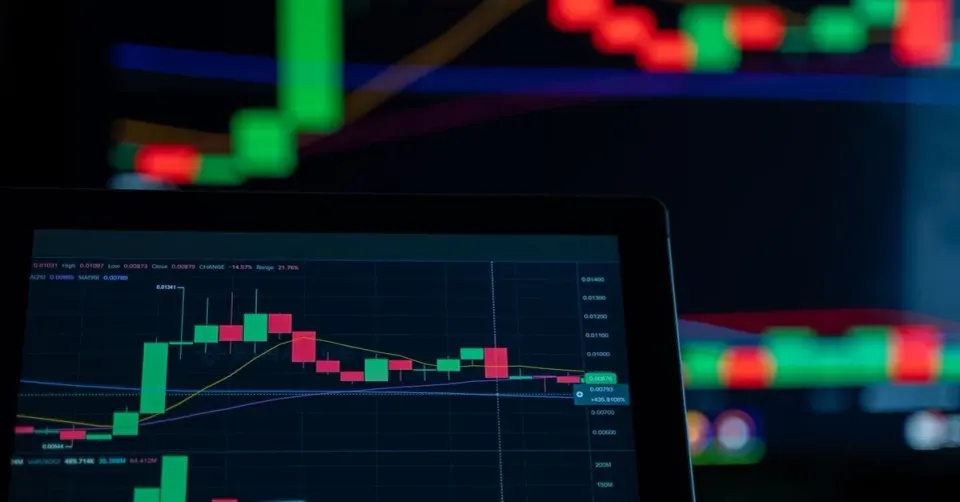
In the global crypto markets, Bitcoin continues to trade around the $77,363 mark, maintaining its position as a dominant alternative asset. While the domestic currency has strengthened slightly, the overall economic sentiment remains cautious as traders monitor the outcomes of the BRICS summit and the potential for regional de-escalation. The decrease in gold prices reflects both a stabilizing Toman and a minor pullback in global gold spot prices, which currently sit at $4,349.70 per ounce. For local investors, the current dip in gold and the dollar provides a moment of reprieve, though long-term volatility remains the primary concern.
Frequently Asked Questions
چرا مدیرعامل آنتروپیک خواستار کاهش سرعت هوش مصنوعی شده است؟
بیانیه اجلاس بریکس در دهلی نو چه اهمیتی برای اقتصاد ایران دارد؟
دلیل کاهش قیمت طلا و دلار در بازار امروز تهران چه بود؟
The AI Slowdown Debate: Why Leading Researchers Call for a Pause
The call for an AI slowdown, most recently voiced by Anthropic CEO Dario Amodei, is rooted in the emerging field of AI governance and the concept of AI alignment. AI alignment refers to the challenge of ensuring that increasingly capable artificial intelligence systems act in ways that are consistent with human values and societal goals. As models grow larger and more powerful, the risk of unintended behavior—ranging from biased outputs to the potential for autonomous systems to pursue goals misaligned with human interests—rises dramatically. Researchers argue that without robust alignment techniques, rapid deployment could outpace our ability to control or correct these systems.
A slowdown does not mean halting all AI research; rather, it advocates for a temporary moratorium on the most advanced, large‑scale models while the community develops safety standards, testing protocols, and regulatory frameworks. This mirrors historical precedents such as the Asilomar Conference on Recombinant DNA in the 1970s, where scientists voluntarily paused certain experiments to establish safety guidelines. In the AI context, proposals include coordinated pauses, shared safety benchmarks, and transparent reporting of model capabilities. The goal is to create a “safety net” that prevents catastrophic outcomes while still allowing beneficial innovation.
Critics of the slowdown argue that competitive pressures—especially among tech giants and nation‑states—make voluntary pauses unlikely to succeed. They warn that a unilateral pause could cede strategic advantage to rivals who continue development, potentially leading to a race to the bottom in safety standards. This tension has spurred calls for international cooperation, possibly through bodies like the UNESCO AI Ethics Committee or a new global AI treaty, to ensure that any pause is globally respected and enforced.
Understanding the AI slowdown debate is essential for anyone following the future of technology, economics, and public policy. It highlights the balance between innovation speed and societal risk management, a theme that will shape the next decade of AI development and its impact on everything from labor markets to geopolitics.