
Houthi Shipping Squeeze Tests Global Trade as Toman Gains Ground; Applied Materials Eyes $10B Milestone
فشار حوثیها بر شریانهای تجاری و عقبنشینی دلار در بازار تهران؛ ثبت رکورد ۱۰ میلیارد دلاری در صنعت تراشه
The Bab el-Mandeb Strait remains a geopolitical flashpoint as analysts warn of a 'sucker punch' to global trade, while the Iranian Toman shows surprising resilience with a 2% gain. Meanwhile, Applied Materials prepares for a historic $10 billion quarter amidst a high-yield bond market warning.
At time of publishing
USD
229,200
Toman
Gold 18K
23.42M
Toman / gram
Bitcoin
$77,242
US Dollar
Tether
228,495
Toman
The 'Sucker Punch' at Bab el-Mandeb: A Geopolitical Standoff
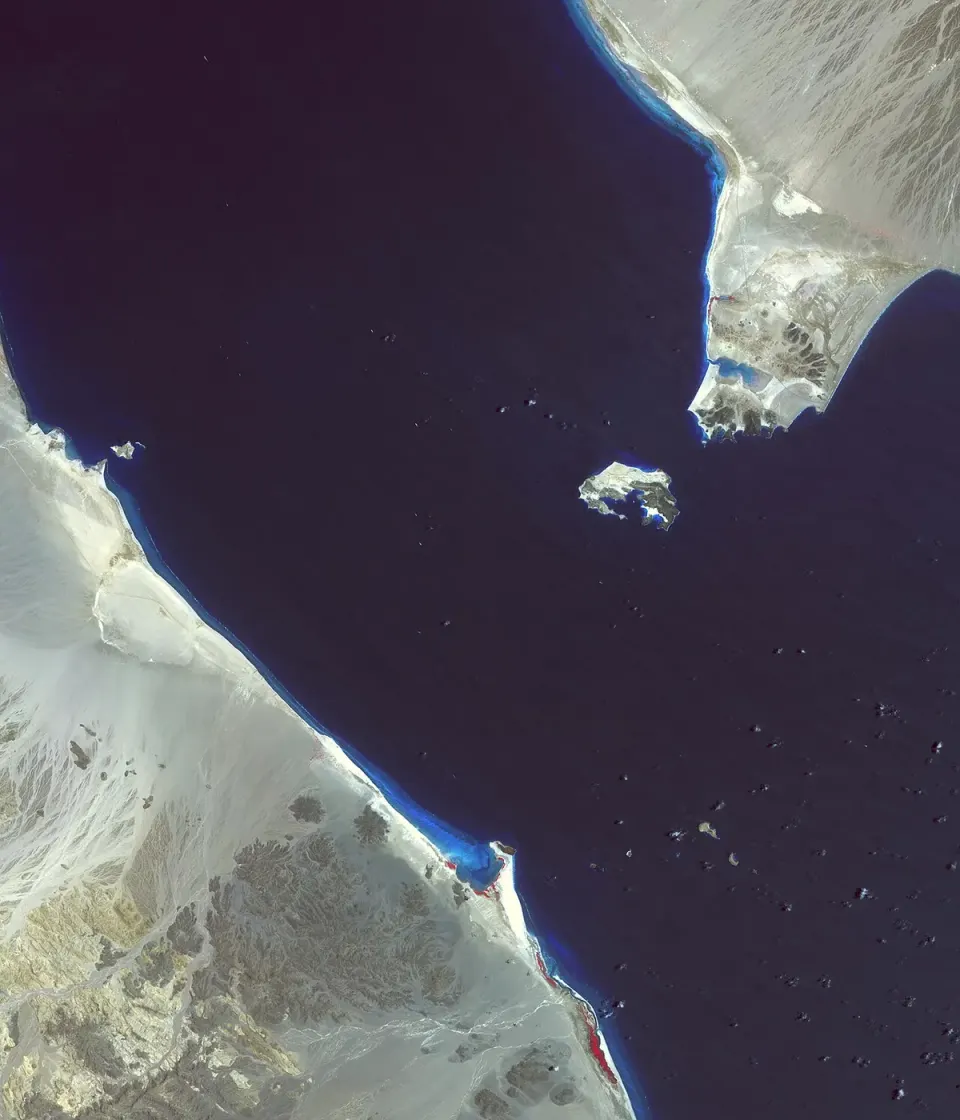
The Bab el-Mandeb Strait has evolved from a regional shipping lane into a global economic chokepoint, as the Houthis continue to demonstrate their ability to hold a significant portion of world trade to ransom. Experts, including Professor Thomas Juneau, suggest that the group’s repressive nature and strategic positioning have created a 'sucker punch' effect for Gulf states and international maritime security. By leveraging Iranian-backed technology and local geographic advantages, the Houthis have effectively raised the risk premium for any vessel traversing the Red Sea, forcing a total reassessment of global supply chain logistics.
This escalation comes at a delicate time for Tehran, which is simultaneously preparing for high-level talks with Gulf Arab states. While the Houthis claim independence in their tactical decisions, the international community continues to view the group as a primary lever of Iranian regional influence. For the average Iranian observer, this tension is a double-edged sword: while it projects regional power, it also invites increased scrutiny and potential sanctions that could disrupt the nascent recovery of the national currency. The strategic 'shock' delivered at the strait is not just about missiles; it is about the long-term cost of insurance and the stability of the energy markets that fuel the global economy.
---
Toman Rebounds as Global Markets Face Bond Yield Warnings
In a surprising turn of events at the 23:00 Tehran mark, the Iranian Toman has clawed back some of its recent losses. The USD sell rate moved from 233,800 to 229,200, representing a 2.0% decrease in the dollar's value against the local currency. This shift was mirrored in the gold markets, where 18k gold fell from 23,858,442 to 23,419,825 Toman per gram (-1.8%), and the Emami coin dropped 1.5% to settle at 236,000,000 Toman. This localized recovery suggests a momentary cooling of domestic panic, even as regional headlines remain volatile.
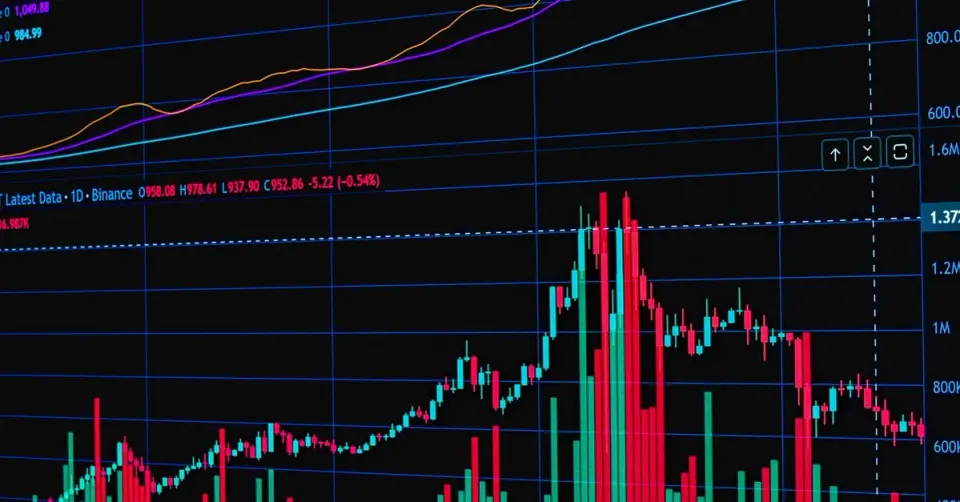
Globally, the financial narrative is dominated by the 'warning sign' emanating from the U.S. bond market. The 10-year Treasury yield is hovering near the critical 5% threshold, a level that historically signals trouble for riskier assets like stocks and cryptocurrencies. Analysts warn that while the Federal Reserve may continue to push for rate hikes to combat inflation, these moves are unlikely to bring down immediate costs like gas prices, which are driven by supply constraints rather than monetary policy. For Iranian investors, this global tightening means that Bitcoin, currently stalling at $77,242, may face significant resistance if the dollar continues to strengthen on the back of rising yields.
---
Tech Giants and Political Shifts: From Applied Materials to Sweden
Despite the macro-economic jitters, the technology sector continues to show pockets of extreme strength. Applied Materials is projected to book its first $10 billion quarter this fall, a milestone that underscores the relentless demand for semiconductor manufacturing equipment. This growth persists even as debates intensify over an 'AI slowdown' and the need for stricter safeguards. The contrast is stark: while the hardware layer of the digital economy is printing record profits, the social and political layers are struggling to keep pace with the rapid deployment of generative tools, as seen in the recent wave of arrests related to AI-generated school threats in the US.
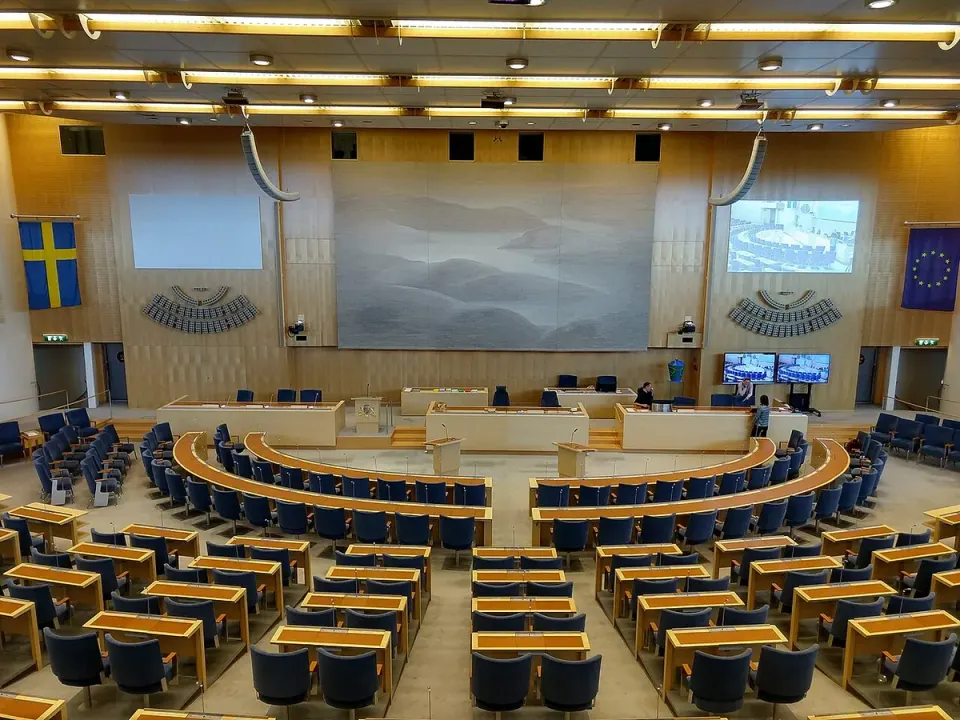
Politically, Europe is providing a counter-narrative to the recent rise of the far-right. Exit polls from the Swedish election project a center-left government with 51.3% of the vote, a result that significantly underperformed expectations for the far-right Sweden Democrats. This shift suggests a potential stabilization in European policy toward the Middle East and migration, which could indirectly impact Iran's diplomatic channels. As President Pezeshkian returns from the BRICS summit in India, the combination of a stabilizing Europe and shifting trade alliances offers a complex but potentially navigable path for Iran’s economic future.
Frequently Asked Questions
چرا قیمت دلار در بازار تهران ۲ درصد کاهش یافت؟
بحران بابالمندب چه تأثیری بر اقتصاد ایران دارد؟
چرا بازدهی ۵ درصدی اوراق قرضه آمریکا برای بیتکوین خطرناک است؟
The Bab el‑Mandeb Strait: A Critical Maritime Chokepoint and Its Global Trade Impact
The Bab el‑Mandeb Strait, a narrow waterway linking the Red Sea to the Gulf of Aden, is one of the world’s most important maritime chokepoints. Roughly 20 km wide at its narrowest point, it sits between Yemen’s Djibouti and Eritrea, providing the only sea route between Europe and the Indian Ocean for a substantial share of global oil, gas, and container traffic. In 2023, about 18 million barrels of oil per day – roughly one‑third of the world’s seaborne oil trade – passed through the strait, alongside countless cargo vessels carrying consumer goods, raw materials, and foodstuffs.
Because of its strategic position, any disruption in the Bab el‑Mandeb can ripple through international supply chains. In recent years, the Iran‑aligned Houthi rebels in Yemen have launched missiles, drones, and naval mines targeting commercial ships, aiming to pressure regional actors and raise the cost of doing business. Even brief closures or heightened insurance premiums can push shipping companies to reroute around the Cape of Good Hope, adding up to 10‑15 days and thousands of dollars in fuel costs per voyage. Such delays feed into higher freight rates, which in turn lift the price of imported commodities – a factor that directly influences currencies like the Iranian toman, whose exchange rate against the USD is already volatile.
The concept of a “maritime chokepoint” underscores how geography can amplify geopolitical risk. Unlike land borders, sea lanes are difficult to secure across their entire length, making them vulnerable to asymmetric threats such as small‑boat attacks or cyber‑enabled navigation interference. Nations with significant trade exposure – the United States, China, the European Union, and Gulf states – therefore invest heavily in naval patrols, convoy systems, and diplomatic engagement to keep the strait open. Understanding the Bab el‑Mandeb’s role helps explain why a localized conflict in Yemen can trigger fluctuations in global oil prices, affect the cost of imported goods in Iran, and even influence broader financial markets such as U.S. Treasury yields and commodity prices like gold.
For students of international economics and security, the Bab el‑Mandeb illustrates the intersection of physical geography, maritime law, and modern warfare. It also serves as a case study in how supply‑chain shocks can translate into macro‑economic outcomes – from exchange‑rate pressures on the Iranian toman to the profitability targets of high‑tech firms like Applied Materials, whose earnings can be indirectly affected by shipping costs for raw materials. Monitoring developments in this chokepoint provides a real‑time barometer of global trade health.
Topics
Related Articles