Indonesia Ferry Tragedy and Stalled Hormuz Talks Rattle Global Sentiment
فاجعه غرق شدن کشتی در اندونزی و توقف مذاکرات هرمز؛ سایه سنگین تنش بر بازارها
A tragic ferry sinking in Indonesia leaves over 120 missing, while Oman's postponement of crucial Strait of Hormuz talks adds to regional uncertainty. Meanwhile, UK lawmakers push for new AI regulations to protect human rights as technology outpaces existing laws.
At time of publishing
USD
229,200
Toman
Gold 18K
23.66M
Toman / gram
Bitcoin
$77,648
US Dollar
Tether
233,503
Toman
Disaster in the Java Sea: Search for 120 Missing
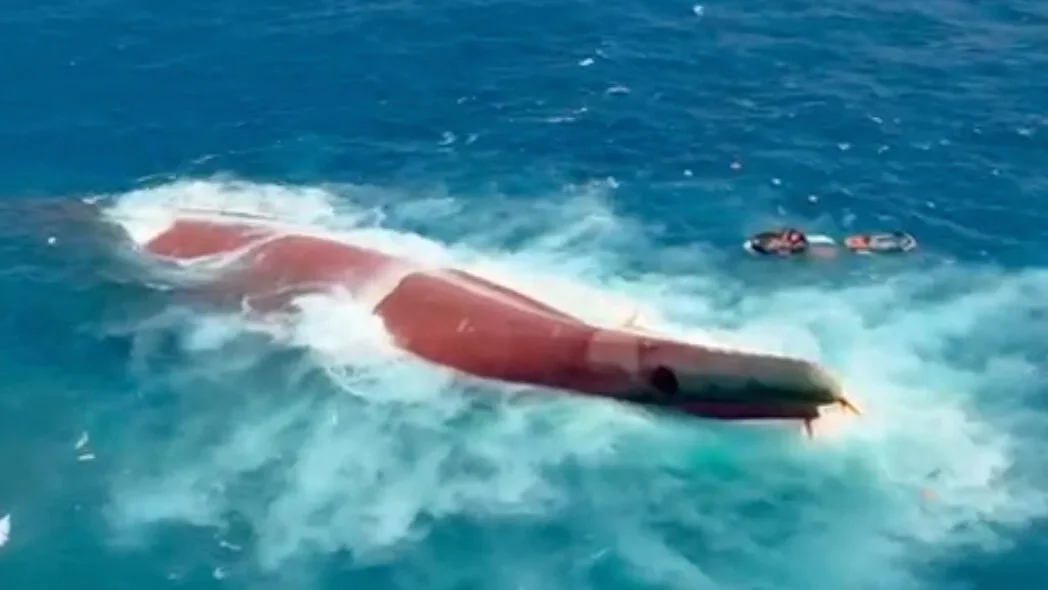
A major maritime tragedy has unfolded in the Java Sea as a passenger ferry sank on Sunday, leaving more than 120 people unaccounted for. Authorities in Indonesia have confirmed that at least six individuals lost their lives in the disaster, while approximately 100 others were rescued by emergency teams and nearby vessels. The incident has triggered a massive search and rescue operation involving the Indonesian navy and local maritime agencies, who are battling challenging conditions to locate survivors in the vast waters of the archipelago.
While the specific cause of the sinking is still under investigation, such incidents in Indonesia are frequently attributed to overcrowding and poor adherence to safety protocols, exacerbated by unpredictable tropical weather. This tragedy highlights the ongoing struggle for maritime safety in a nation that relies heavily on ferry transport to connect its thousands of islands. For global observers, the disaster serves as a grim reminder of the infrastructure vulnerabilities in Southeast Asian emerging markets, where rapid population growth often outpaces the development of safe transportation networks.

Geopolitical Gridlock: Oman Halts Hormuz Diplomacy
In a significant blow to regional stability, Oman has officially postponed a high-level meeting that was scheduled for Monday to discuss the security and management of the Strait of Hormuz. The meeting was intended to bring together Iranian officials and other regional representatives to coordinate shipping lanes in the world's most critical oil chokepoint. Muscat stated that the delay was necessary "in the interests of consensus," suggesting that deep-seated disagreements between the participating nations remain unresolved. This diplomatic stall comes at a time when tensions in the Persian Gulf are already at a boiling point.
The impact of this postponement was immediately felt in the energy markets. Brent crude prices surged to $108 per barrel, driven by fears that the lack of a diplomatic breakthrough increases the risk of supply disruptions. These fears were further compounded by reports of a drone attack on Saudi Arabia’s East-West pipeline, which has the potential to cut off 4% of global oil supply. For the Iranian economy, the continued uncertainty in the Strait of Hormuz puts additional pressure on the Toman, as market participants hedge against the possibility of further regional escalation or tighter maritime restrictions.
The Human Rights Frontier: AI Regulation in the UK
A cross-party group of MPs and Lords in the United Kingdom has issued a stark warning that existing legal frameworks are fundamentally unequipped to handle the threats posed by artificial intelligence. The lawmakers are calling for a comprehensive new law to protect human rights from the unintended consequences of AI deployment, ranging from surveillance and privacy breaches to algorithmic bias in essential services. This move reflects a growing global sentiment that the pace of technological innovation is dangerously outstripping the ability of democratic institutions to regulate it.
Beyond the legal debate, environmental concerns are also surfacing in the tech sector. Campaigners have warned of a "tidal wave" of PFAS—often called "forever chemicals"—being produced to satisfy the demands of the AI industry's sprawling data centers. These chemicals, linked to serious health risks including cancer, are essential for cooling and hardware manufacturing but pose a long-term threat to the environment. For investors, this dual pressure of regulatory tightening and environmental scrutiny suggests that the "wild west" era of AI growth may be coming to an end, replaced by a more restricted and accountable landscape.
Market Pulse: Gold Rises Amidst Regional Volatility
Domestic markets in Iran are showing signs of sensitivity to the global geopolitical climate. Gold 18k/gram rose from 23,419,825 to 23,662,218 Toman, marking a 1.0% increase over the last 24 hours. This move follows the broader trend of investors seeking safe-haven assets as oil prices spike and regional diplomacy falters. Interestingly, the Emami coin saw a slight retreat, moving from 236,000,000 to 235,000,000 Toman (-0.4%), suggesting a complex internal market dynamic where liquid gold remains more attractive than specific minted coins.
The currency market remained unusually flat despite the surrounding noise, with the USD sell rate holding at 229,200 Toman (0.0% change). This stability may be temporary, as the postponement of the Hormuz talks and the surge in Brent crude to $108 usually precede shifts in local currency valuations. Traders are likely waiting for more concrete signals from the delayed Muscat talks before committing to major positions in the foreign exchange market.
Frequently Asked Questions
چرا مذاکرات تنگه هرمز توسط عمان به تعویق افتاد؟
تأثیر حوادث اخیر بر قیمت نفت چه بود؟
وضعیت بازار طلا و ارز در ایران چگونه است؟
Why the Strait of Hormuz Matters: A Global Oil Chokepoint
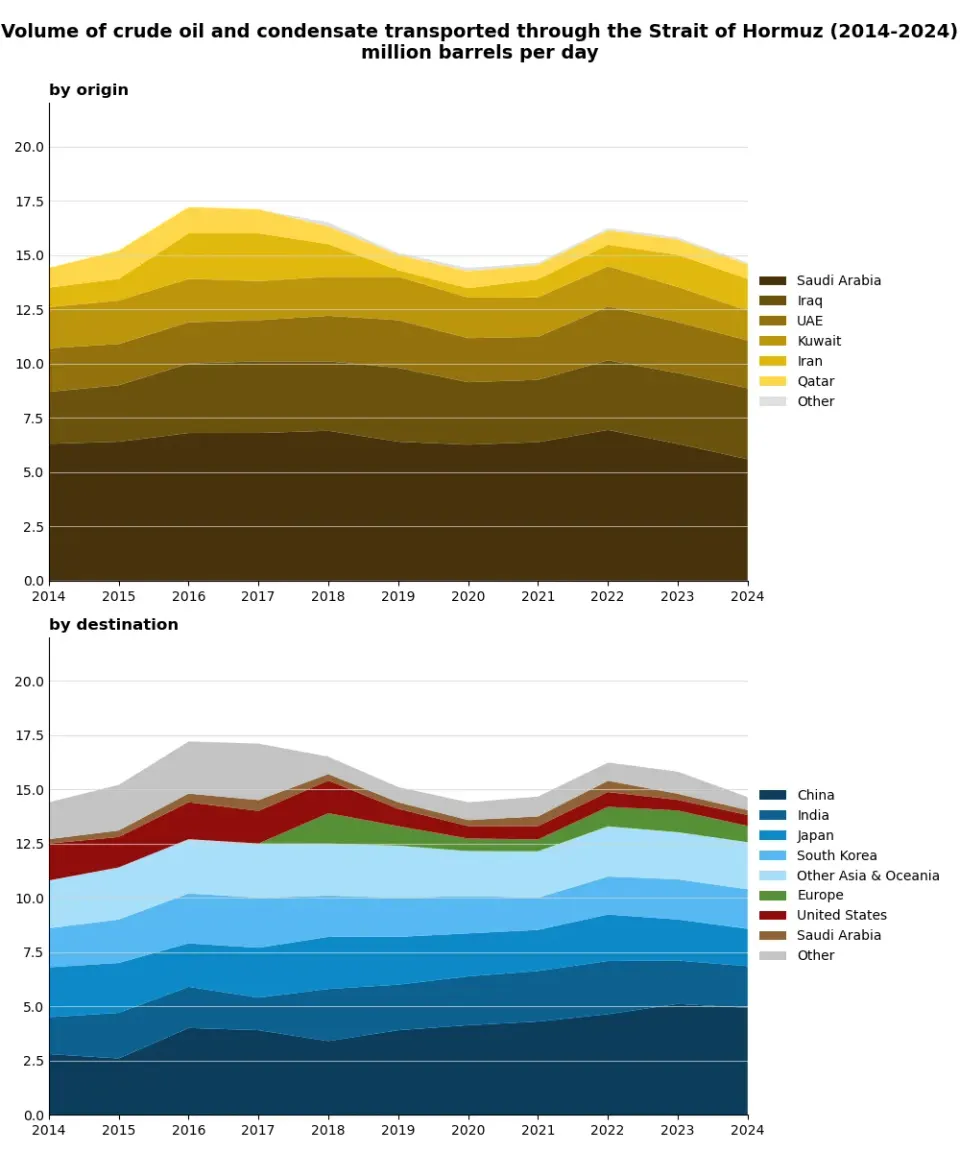
The Strait of Hormuz is a narrow waterway—only about 21 miles (33 km) wide at its narrowest point—situated between the Persian Gulf coast of Oman and Iran. Despite its modest size, it serves as one of the world’s most critical maritime chokepoints because roughly 20% of global oil consumption and a comparable share of liquefied natural gas (LNG) pass through it each day. The concentration of such a massive volume of energy flows in a confined channel means that any disruption—whether from geopolitical tension, a naval incident, or a mechanical failure—can instantly reverberate through international markets, pushing crude prices upward and prompting rapid shifts in currency and commodity valuations.
Geopolitically, the strait sits at the intersection of several rivalries. Iran, which controls the northern shoreline, has repeatedly threatened to close the passage in response to sanctions or perceived aggression, while the United Arab Emirates, Saudi Arabia, and global powers such as the United States maintain a naval presence to ensure freedom of navigation. The 2024 diplomatic talks between Oman and Iran aimed at de‑escalating tensions illustrate how even low‑intensity negotiations can have outsized effects on investor sentiment; when the talks stall, markets often react by pricing in a risk premium, as seen in the jump of Brent crude to $108 per barrel.
From an economic perspective, the concept of a strategic chokepoint helps explain why the Hormuz corridor commands such attention. A chokepoint is a narrow passage whose control can influence the flow of trade, similar to the Suez Canal or Panama Canal, but with the added dimension that the commodity in question—oil—is the lifeblood of modern industry and transportation. When a chokepoint is threatened, the expected supply shock triggers speculative buying, higher futures contracts, and even currency fluctuations in oil‑exporting nations, while import‑dependent economies may see inflationary pressures rise.
The ripple effects extend beyond oil. For instance, heightened Hormuz risk often drives investors toward safe‑haven assets like gold, pushing its price upward—a pattern observed in the recent rise of gold prices linked to Iranian market concerns. Moreover, the heightened focus on the strait can influence broader discussions on maritime law, human rights in conflict zones, and emerging technologies such as AI‑driven surveillance used to monitor vessel movements.
Understanding the Strait of Hormuz’s strategic importance equips readers to interpret why seemingly distant diplomatic talks or a single ferry tragedy can shift global commodity prices, affect currency markets, and reshape geopolitical risk assessments. It underscores the interconnectedness of regional politics and worldwide economic stability, reminding us that a narrow stretch of water can have a massive impact on the global economy.
Topics
Related Articles