Domestic Tech Boosts Iran's Bink Oilfield as Crypto Markets Tumble on US Legislative Failure
تجهیز میدان نفتی بینک به کمپرسورهای ایرانی؛ سقوط سنگین بازار کریپتو در پی شکست قانون کلاریتی در سنا
Iran moves toward energy self-sufficiency with domestic hardware at the Bink oilfield, while global crypto markets suffer a $570 million liquidation event following a legislative setback in the US Senate. Meanwhile, the US House makes a rare move to limit war powers regarding Iran.
At time of publishing
USD
231,000
Toman
Gold 18K
23.40M
Toman / gram
Bitcoin
$75,853
US Dollar
Tether
230,162
Toman
Domestic Resilience: Iran Equips Bink Oilfield with Local Tech
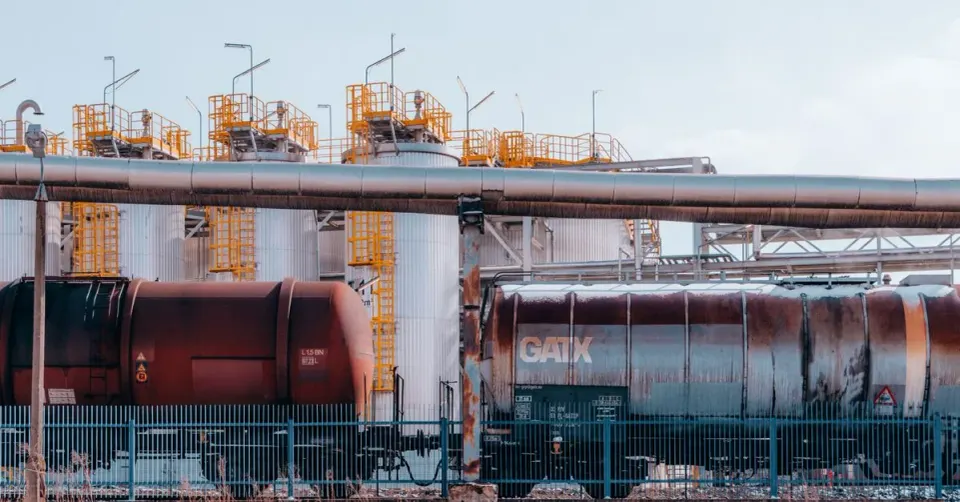
In a significant move for the country's energy sector, Iran has successfully equipped the gas compressor station at the Bink oilfield in Bushehr province with domestically manufactured reciprocating compressors. According to official reports, these units were designed, built, and installed by Iranian companies, adhering to international oil industry standards. This development is part of a broader strategy to mitigate the impact of international sanctions, which have historically limited access to critical machinery from Western giants like Siemens or General Electric. By localizing the production of pressure-boosting equipment, the Iranian energy sector aims to maintain production levels in the southern fields without relying on vulnerable supply chains.
The installation at the Bink oilfield, located in Ganaveh County, is not merely a technical achievement but a strategic necessity. Gas pressure-boosting stations are vital for maintaining the flow of crude oil and associated gases, preventing production drops as reservoir pressure naturally declines. For the Iranian economy, which remains heavily dependent on oil revenues to stabilize the Toman, such infrastructure projects are seen as a way to signal resilience to both domestic and international observers. However, the true test remains the long-term reliability and efficiency of these domestic units compared to their international counterparts, especially under the harsh climatic conditions of southern Iran.
Crypto Market Bloodbath: $570 Million Wiped Out
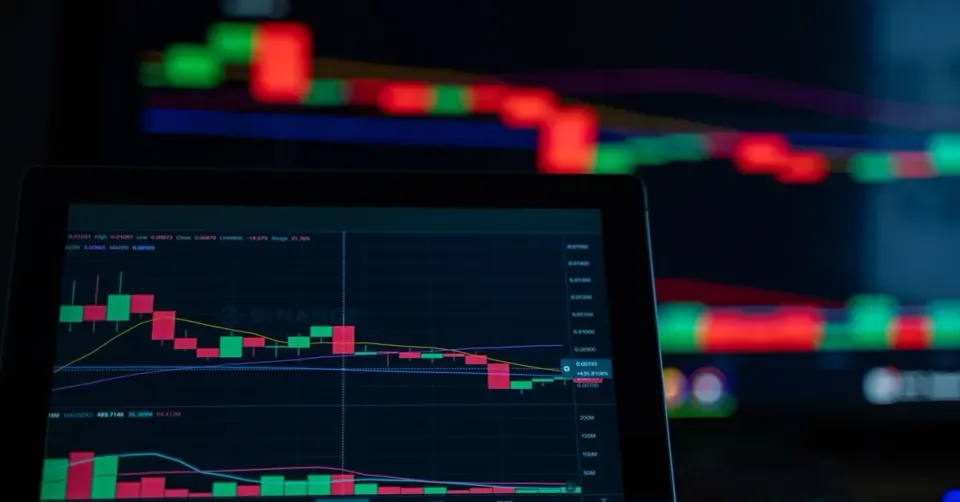
The global cryptocurrency market is reeling this hour following a major legislative setback in the United States. The much-anticipated Clarity Act, which aimed to provide a clear regulatory framework for digital assets, failed to pass a procedural vote in the Senate with a 49-50 tally. This failure triggered a massive wave of liquidations, with over $570 million in bullish bets wiped out in less than 24 hours. Bitcoin (BTC) saw its price slide toward the $75,853 mark, while XRP suffered a particularly brutal 10% drop. The market's reaction underscores how sensitive crypto valuations have become to US policy shifts, as investors had largely priced in the success of this bill.
Institutional sentiment also took a visible hit, with Bitcoin ETFs recording their largest single-day outflow since June, totaling $450 million. Heavyweights like Fidelity and BlackRock led the withdrawals as the prospect of regulatory clarity vanished for the foreseeable future. For traders, this volatility serves as a stark reminder of the "regulatory risk" premium. Without a clear legal structure, institutional adoption may stall, leaving the market at the mercy of speculative swings and sudden policy-driven sell-offs. In the local Iranian market, Tether (USDT) is currently trading at 230,162 Toman, reflecting the global downward pressure on digital assets.
Geopolitical Guardrails: US House Votes to Curb War Powers
In a rare display of bipartisan concern over Middle Eastern escalation, the US House of Representatives has voted for a third time to approve a war powers resolution aimed at halting the administration's ability to continue military action against Iran without explicit congressional approval. Notably, seven Republicans joined the Democratic majority in favor of the resolution. This legislative move comes amid heightened regional tensions, including recent Israeli airstrikes in southern Lebanon’s Mansouri district and ongoing concerns over maritime security in the Persian Gulf. The vote reflects a growing domestic appetite in the US to limit executive overreach and avoid a full-scale regional conflict that could further destabilize global energy markets.
While the resolution faces significant hurdles in the Senate and a likely presidential veto, its passage in the House sends a clear message to international allies and adversaries alike. It suggests that any major military escalation would lack broad legislative support, potentially complicating the administration's strategic calculations. For the Iranian leadership, this domestic friction in Washington provides a slight diplomatic breathing room, though the reality on the ground remains volatile. As Ali Akbar Velayati, a senior adviser to the Leader of the Islamic Revolution, recently emphasized, regional alliances—particularly with Iraq—remain the cornerstone of Iran’s foreign policy in the face of such external pressures. The intersection of US legislative battles and regional military strikes continues to keep the USD/IRR exchange rate in a state of high sensitivity, with the dollar currently sitting at 231,000 Toman.
Frequently Asked Questions
Why is the domestic equipment at Bink oilfield significant?
What caused the sudden $570 million crypto liquidation?
What is the US War Powers Resolution regarding Iran?
Understanding Crypto Liquidations and Margin Calls
When you trade cryptocurrencies on a margin platform, you are essentially borrowing funds to amplify your exposure. This borrowed capital allows you to open a larger position than your own cash would permit, magnifying both potential gains and losses. The platform sets a maintenance margin—the minimum equity you must retain in your account. If the market moves against you and your equity falls below this threshold, the exchange will issue a margin call, demanding you add more funds or reduce your position.
If you cannot meet the margin call in time, the exchange automatically liquidates part or all of your position to protect itself from further loss. Liquidation is usually executed at the best available price, but in fast‑moving markets this can mean selling at a steep discount, a phenomenon known as a forced liquidation. The cascade of forced liquidations can exacerbate price drops, as seen during Bitcoin’s sharp decline after the US legislative stalemate mentioned in the headline.
Different platforms employ varying liquidation mechanisms. Some use partial liquidation, where only enough of the position is sold to restore the maintenance margin, while others opt for full liquidation, closing the entire position. Risk‑management tools such as stop‑loss orders can help traders limit exposure, but they do not replace the need to monitor margin requirements closely, especially in volatile crypto markets.
Understanding how margin calls and liquidations work is crucial for anyone considering leveraged crypto trading. It highlights the trade‑off between the allure of higher returns and the heightened risk of rapid, large‑scale losses. By grasping these mechanics, traders can better assess their risk tolerance and avoid the pitfalls that can turn a market dip into a personal financial disaster.
Topics
Related Articles