200 Nights of Resilience: Amoli Larijani Praises Hormuz Defense as Shipping Traffic Hits Record Lows
تجلیل آملی لاریجانی از ۲۰۰ شب ایستادگی؛ ترافیک دریایی هرمز در پایینترین سطح تاریخی
As Iran marks a 200-night milestone of regional defense, maritime traffic in the Strait of Hormuz has plummeted to single digits, signaling a severe tightening of global energy buffers. Meanwhile, Tehran’s gold market sees a 1.2% surge as Bitcoin loses critical technical support amid global legislative uncertainty.
At time of publishing
USD
231,100
Toman
Gold 18K
23.54M
Toman / gram
Bitcoin
$75,787
US Dollar
Tether
230,744
Toman
The 200-Night Milestone: Narrative and National Defense
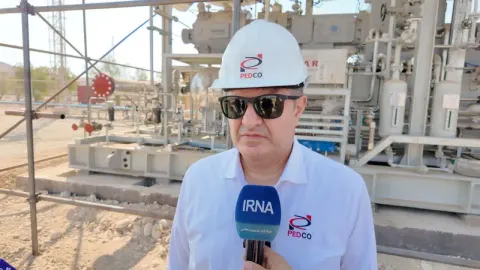
Ayatollah Sadegh Amoli Larijani, the head of Iran’s Expediency Council, has publicly praised what he termed "200 nights of public presence" in defense of the nation against external aggression. This milestone, reported by IRNA, serves as a significant psychological marker for the Iranian leadership, emphasizing endurance during a period of heightened friction in the Strait of Hormuz and broader regional confrontations. Larijani’s remarks are not merely ceremonial; they are designed to signal domestic stability and a commitment to the current geopolitical posture, even as the economic costs of prolonged tension continue to weigh on the Toman's exchange rate.
For the average Iranian citizen, these declarations often precede shifts in security protocols or economic policy. By framing the past seven months as a successful period of "defense," the government is attempting to manage public expectations regarding the long-term nature of the current regional status quo. While the USD/IRR rate remained stable at 231,100 Toman this hour, the underlying pressure remains high, as evidenced by the flight to gold. The political rhetoric suggests that the leadership is prepared for an extended period of friction, which typically correlates with a cautious or bearish outlook on the domestic currency's purchasing power in the long run.

---
The Hormuz Chokepoint: Shipping Hits Historic Lows
New data from ship-tracking services indicates that traffic in the Strait of Hormuz has effectively slowed to a crawl. According to reports from Reuters and Windward, only four vessels traversed the world’s most critical energy chokepoint on Tuesday, a sharp decline from an already diminished seven vessels the day prior. This "single-digit" traffic reality highlights the extreme risk premium now associated with the route. While some tankers continue to operate by turning off their geolocation transponders—creating a so-called "dark fleet"—the official volume of trade has reached levels that threaten the stability of global energy markets.
This paralysis in the Strait comes at a particularly vulnerable time for the global economy. As noted by industry analysts, the world is running out of oil supply buffers. A recent pipeline outage in Saudi Arabia has further depleted the cushions that existed earlier this year. With the Strait of Hormuz largely inaccessible to traditional maritime insurance and standard shipping lines, the cost of transporting crude has skyrocketed. For Iran, this means that while its strategic leverage over the waterway remains absolute, the economic dividends of its own oil exports are increasingly complicated by the high costs of evasion and the logistical nightmares of a blocked corridor.
---
Market Divergence: Gold Rises as Bitcoin Falters
In the financial markets, a clear divergence has emerged between traditional safe-haven assets and digital currencies. In Tehran, the price of 18k gold rose by 1.2% over the last 24 hours, reaching 23,535,250 Toman per gram. Similarly, the Emami coin saw a 1.5% increase, climbing to 235,000,000 Toman. This movement reflects a classic flight to safety among Iranian investors who are hedging against regional uncertainty and the potential for further inflationary shocks. When geopolitical rhetoric intensifies, gold remains the primary beneficiary in the local market, regardless of the relative stability of the dollar.
Conversely, the cryptocurrency market is facing a "nightmare" scenario. Bitcoin has officially broken down below its 200-day Moving Average (MA) at $75,861, a technical signal that often precedes further liquidations. The failure of the "Clarity Act" in the United States and the looming Federal Reserve interest rate decision have created a toxic environment for risk-on assets. As Bitcoin struggles to hold the $75,000 level, the sentiment in the crypto space has turned sharply cautious. For Iranian traders, the high USDT/IRT rate (230,744) means that even as Bitcoin’s dollar value drops, the cost of entry remains prohibitively high, trapping many between a devaluing local currency and a volatile digital asset.
---
Diplomacy and Domestic Readiness
While the maritime and financial fronts remain volatile, Iran is doubling down on its diplomatic outreach. Foreign Minister Abbas Araghchi is currently in Beijing meeting with his Chinese counterpart, Wang Yi. This visit is a critical component of Iran’s strategy to secure economic lifelines and political backing from its most powerful eastern partner. As China faces its own energy challenges—including declining fuel inventories that may lead to export curbs—the synergy between Tehran’s need for a buyer and Beijing’s need for long-term energy security has never been more vital. The outcome of these talks will likely dictate the level of economic resilience Iran can maintain through the end of 2026.
On the domestic front, the head of Iran’s Emergency Organization, Jafar Mi’adfar, held a press conference in Tehran to mark the 51st anniversary of the organization. While ostensibly a commemorative event, the focus on pre-hospital emergency services and national readiness serves as a subtle reminder of the state’s efforts to prepare the civilian infrastructure for potential escalations. Between Araghchi’s high-level diplomacy in China and the domestic focus on emergency preparedness, the Iranian government is signaling a multi-front approach to a crisis that has now entered its seventh month without a clear resolution in sight.

Frequently Asked Questions
چرا ترافیک کشتیها در تنگه هرمز به شدت کاهش یافته است؟
شکست میانگین متحرک ۲۰۰ روزه بیتکوین چه معنایی برای بازار دارد؟
تأثیر سفر عراقچی به چین بر بازار ارز ایران چیست؟
The Geopolitical Significance of the Strait of Hormuz
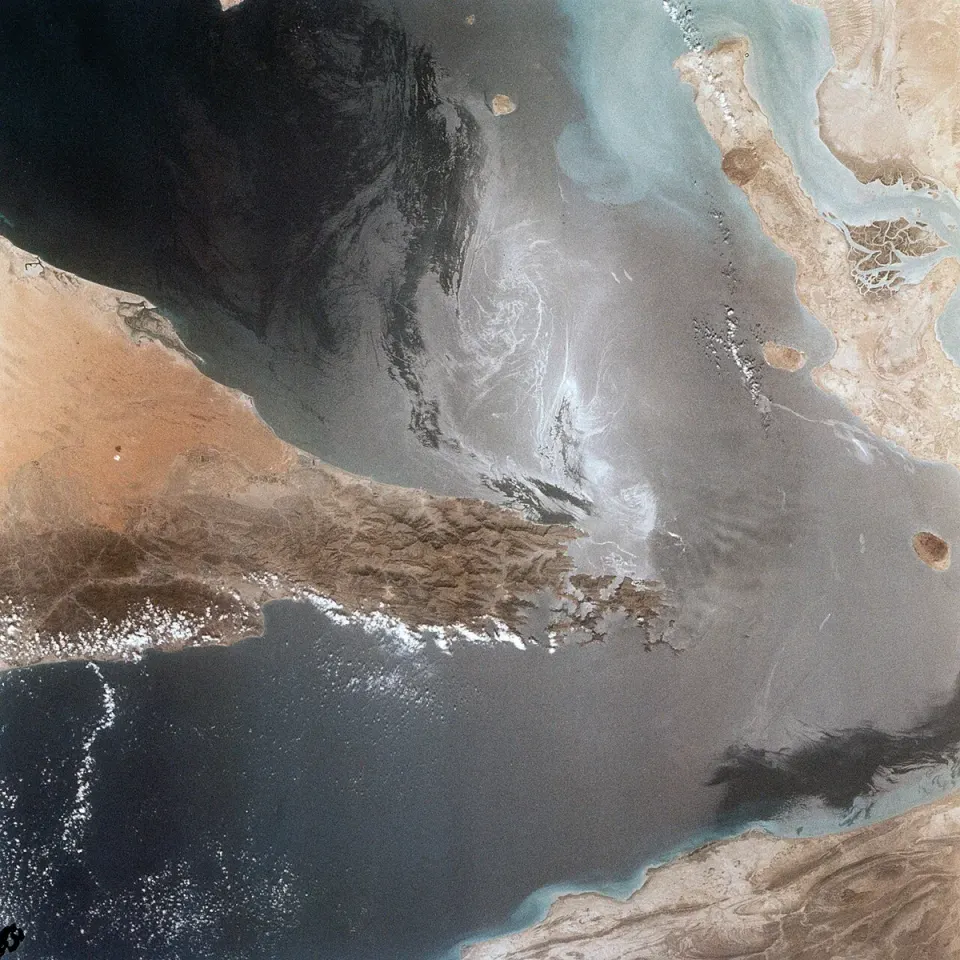
The Strait of Hormuz is a narrow, strategically vital waterway connecting the Persian Gulf to the open waters of the Arabian Sea and the Indian Ocean. Located between Iran and Oman, it is one of the world's most critical maritime chokepoints. Its geographical position makes it the sole sea passage for a significant portion of the world's crude oil, petroleum products, and liquefied natural gas (LNG) from major producers in the Middle East to global markets. Understanding its role is essential for grasping global energy dynamics and international relations.
Economically, the Strait of Hormuz is unparalleled. Approximately one-fifth to one-third of the world's total petroleum liquids consumption, along with substantial volumes of LNG, passes through this strait daily. Countries like Saudi Arabia, Iran, UAE, Kuwait, and Iraq rely on it for their energy exports. Any disruption, even a temporary one, can send shockwaves through global energy markets, leading to sharp spikes in oil prices, impacting global economies, and threatening the energy security of importing nations worldwide.
The geopolitical vulnerability of the Strait is a constant concern. At its narrowest point, the shipping lane is only about 21 nautical miles wide, making it susceptible to blockades or military actions. Due to its proximity to Iran, the Strait has historically been a flashpoint for regional tensions and international disputes. Threats to shipping, naval incidents, or the deployment of military assets in the area can quickly escalate, drawing in regional and global powers and raising the specter of broader conflict.
Given its immense importance to global energy supply and economic stability, the Strait of Hormuz remains a focal point for international diplomacy and security efforts. Its resilience to disruptions, or lack thereof, directly influences global energy prices, trade routes, and the strategic calculations of nations dependent on Middle Eastern oil and gas. Therefore, monitoring shipping traffic and geopolitical developments in and around the Strait is a crucial indicator of global economic and political stability.
Topics
Related Articles