China Presses Iran on Houthis as Sanctions Web Tightens: Tehran Markets Dip
فشار چین بر ایران برای مهار حوثیها همزمان با تداوم فشار تحریمها؛ افت قیمت دلار در بازار تهران
As international sanctions continue to squeeze the Iranian economy, new reports suggest China is leveraging its role as a top oil buyer to press Tehran on Red Sea stability. Meanwhile, the Toman saw a slight recovery today, with the US Dollar dipping 0.9% to 228,600.
At time of publishing
USD
228,600
Toman
Gold 18K
23.30M
Toman / gram
Bitcoin
$76,384
US Dollar
Tether
226,404
Toman
The Labyrinth of Sanctions and the Toman's Reaction
Iran remains one of the most heavily sanctioned nations in modern history, a status that has defined its economic trajectory for decades. The current landscape is a complex layering of restrictions that began with the 1979 revolution and intensified over nuclear concerns, human rights issues, and regional influence. These sanctions target the core of the Iranian economy: oil exports and international banking. By cutting off the Central Bank from the SWIFT network and penalizing any third-party entity that buys Iranian crude, the international community has effectively created a shadow economy. For the average Iranian, this translates to chronic inflation and a currency that remains highly sensitive to every geopolitical tremor.
In the last 24 hours, however, we observed a rare moment of cooling in the local markets. The USD sell rate moved from 230,700 down to 228,600, representing a -0.9% decrease. Similarly, Gold 18k per gram dropped by -0.8%, landing at 23,304,400 Toman. This slight correction suggests that the market had perhaps over-extended its fear-based pricing or is reacting to whispers of regional de-escalation. While a 0.9% drop is not a trend reversal, it provides a brief window of stability for importers who have been grappling with skyrocketing costs throughout the summer.

China’s Diplomatic Pivot: Oil Security Over Ideology
Geopolitics took a sharp turn this Thursday as reports surfaced that Beijing is directly pressing Tehran to rein in the Houthi movement in Yemen. China, which has been the primary lifelines for Iranian oil exports under the current sanctions regime, is increasingly concerned about the disruption of global shipping lanes in the Red Sea. For Beijing, the calculation is simple: the risk premium added to oil prices and the increased cost of shipping goods to Europe outweigh the benefits of regional chaos. This pressure is a significant development because it shows that even Iran’s closest economic partners have limits when their own commercial interests are threatened.
What this means for the global energy market is an immediate cooling of prices. Oil prices slid today as the market priced in the potential for a de-escalated Red Sea. If China succeeds in leveraging its position as Iran’s top customer to stabilize the region, the "war premium" on crude could evaporate. For Iran, this is a delicate balancing act. The government relies on China for revenue, but the Houthis provide strategic leverage in the Middle East. If Tehran is forced to choose, the economic necessity of maintaining oil flow to Asia will likely take precedence over proxy support, a shift that could lead to a more predictable, albeit still sanctioned, economic environment.
Nuclear Friction and Global Policy Shifts
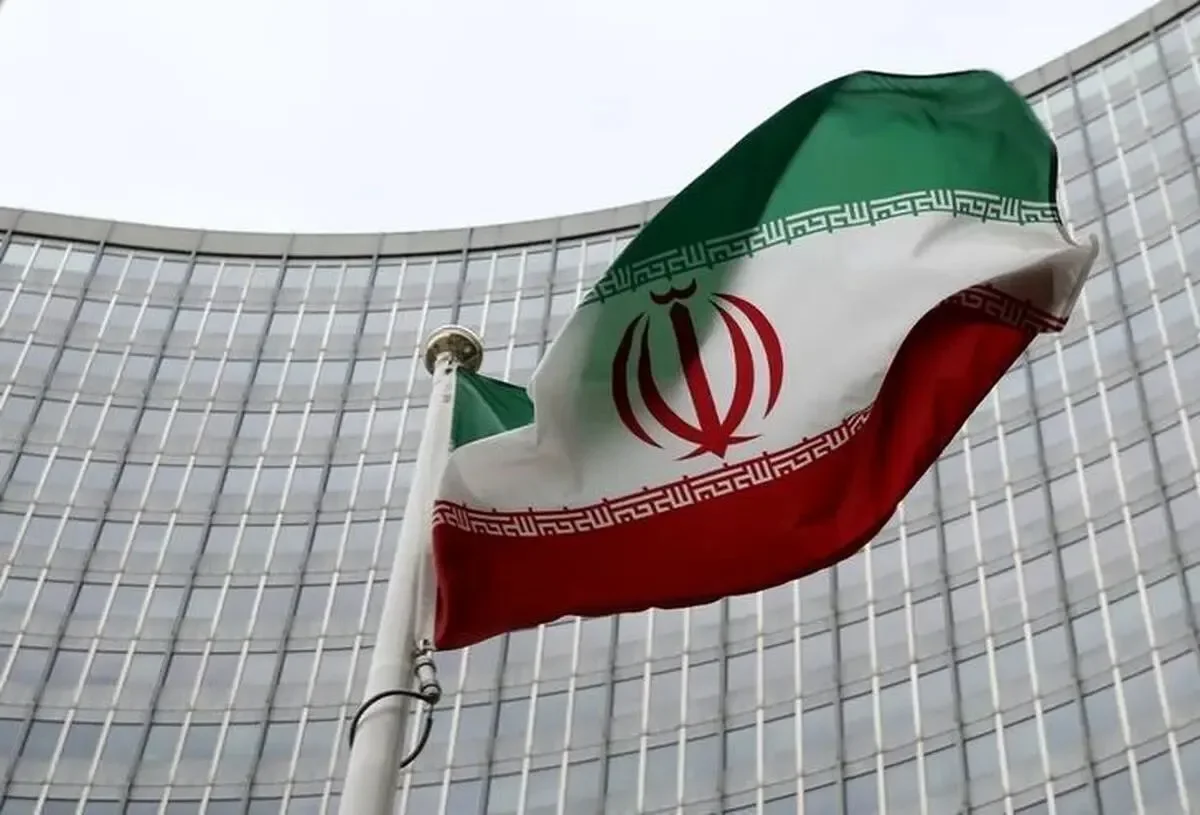
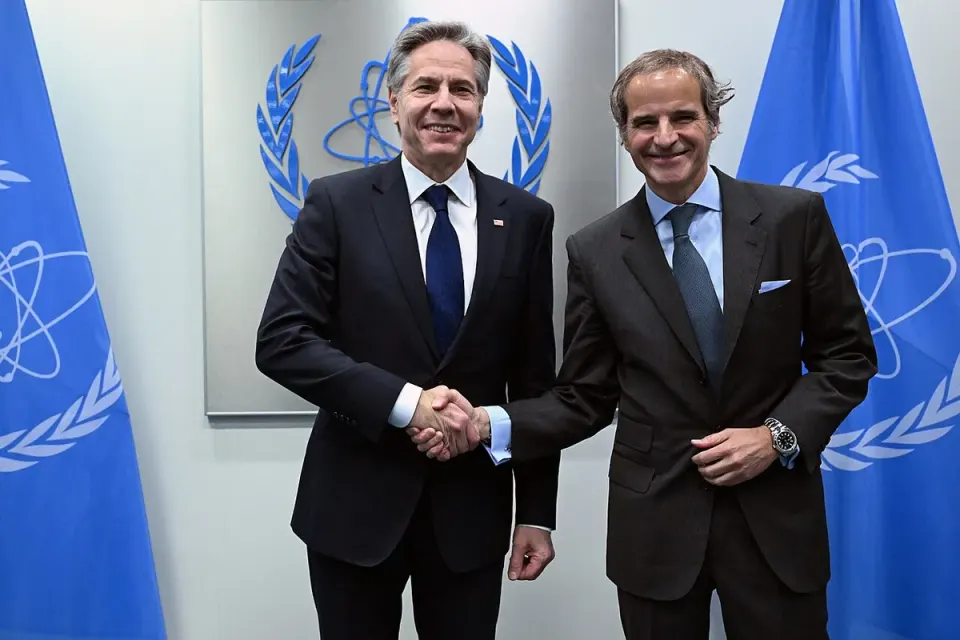
On the diplomatic front, tensions at the International Atomic Energy Agency (IAEA) have flared once again. Iranian state media reported that Tehran has strongly rejected the United States' membership in the IAEA Board of Governors, calling the designation incompatible with the agency’s founding principles. This move signals that despite the cooling in currency markets, the underlying diplomatic freeze remains as solid as ever. The rejection of US involvement in the oversight body is a clear message that Iran is not ready to return to the negotiating table under current conditions, ensuring that the primary driver of sanctions—the nuclear file—will remain unresolved for the foreseeable future.
Meanwhile, in the West, domestic policies are shifting in ways that could indirectly affect global migration and economic sentiment. In Australia, the Labor government is attempting a "measured approach" to migration, resisting calls to drastically slash numbers despite rising populist pressure. Home Affairs Minister Tony Burke argued that arbitrary cuts would "trash the economy." This debate mirrors the tensions seen in Europe and the US, where the balance between economic need and nationalist sentiment is becoming increasingly fragile. For the Iranian diaspora and those looking to move abroad, these policy shifts in major destination countries are just as critical as the exchange rate at home, as the doors to global mobility continue to swing on the hinges of local politics.
The Architecture of Power: Trump’s DC Ambitions
In a bizarre intersection of history and modern politics, the US National Park Service has raised concerns over President Donald Trump’s plan to build a 250-foot triumphal arch in downtown Washington DC. The proposed monument, intended to celebrate American reunification, is being criticized for its potential "adverse effects" on iconic views of the Lincoln Memorial and Arlington National Cemetery. While this may seem like a purely aesthetic or local issue, it represents the ongoing symbolic struggle in American politics. For international observers, such projects are seen as indicators of a shift toward more centralized and monumental governance styles, which often precede major shifts in foreign policy and trade stances.
Frequently Asked Questions
چرا قیمت دلار در بازار تهران کاهش یافت؟
فشار چین بر ایران چه تأثیری بر بازار نفت دارد؟
وضعیت تحریمهای ایران در حال حاضر چگونه است؟
Understanding Economic Sanctions and Their Far-Reaching Impact
Economic sanctions are a powerful foreign policy tool, typically imposed by one or more countries (or international bodies like the UN) on another nation. They aim to compel a change in behavior by inflicting economic pain, rather than resorting to military force. Common objectives include preventing nuclear proliferation, combating terrorism, promoting human rights, or responding to aggression. These measures can range from targeted restrictions on individuals and entities to comprehensive embargoes on trade, finance, and investment, severely limiting a country's access to global markets and financial systems.
The mechanisms of sanctions are diverse and often layered. For instance, financial sanctions might freeze assets, restrict access to international banking networks (like SWIFT), or prohibit transactions in certain currencies. Trade sanctions can include embargoes on key exports (such as oil, a major revenue source for Iran) or imports of critical goods and technologies. The "tightening web" mentioned in the headline refers to the cumulative effect of such restrictions, which can be expanded over time or enforced more rigorously, making it increasingly difficult for the targeted nation to conduct international business.
The impact on a targeted economy, such as Iran's, can be profound and multifaceted. Sanctions often lead to significant currency depreciation (e.g., the USD to IRR price and Toman exchange rate), as foreign currency becomes scarce and investor confidence plummets. This fuels inflation, driving up the cost of imported goods and everyday necessities, and can be reflected in rising prices for commodities like gold in local markets. Furthermore, sanctions can cripple a country's ability to sell its primary exports, like oil, even to allies like China, forcing it to offer steep discounts or resort to illicit trade, thereby reducing national income and hindering economic growth. Ultimately, the burden often falls disproportionately on ordinary citizens, who face higher living costs and reduced economic opportunities, leading to social unrest and political pressure.