Amnesty Accuses Iran of Crimes Against Humanity as Russia, China Shield Tehran at UN
اتهام جنایت علیه بشریت توسط عفو بینالملل همزمان با وتوی قطعنامه ضدایرانی توسط روسیه و چین
Amnesty International has formally accused Iranian authorities of crimes against humanity regarding the 2022 crackdown, while Russia and China provided a diplomatic shield by vetoing a US-led resolution at the Security Council. Meanwhile, global oil prices continue to grind higher as a deepening diesel crunch offsets recent market volatility.
At time of publishing
USD
228,600
Toman
Gold 18K
23.33M
Toman / gram
Bitcoin
$76,637
US Dollar
Tether
226,375
Toman
Amnesty International Levels Crimes Against Humanity Charges
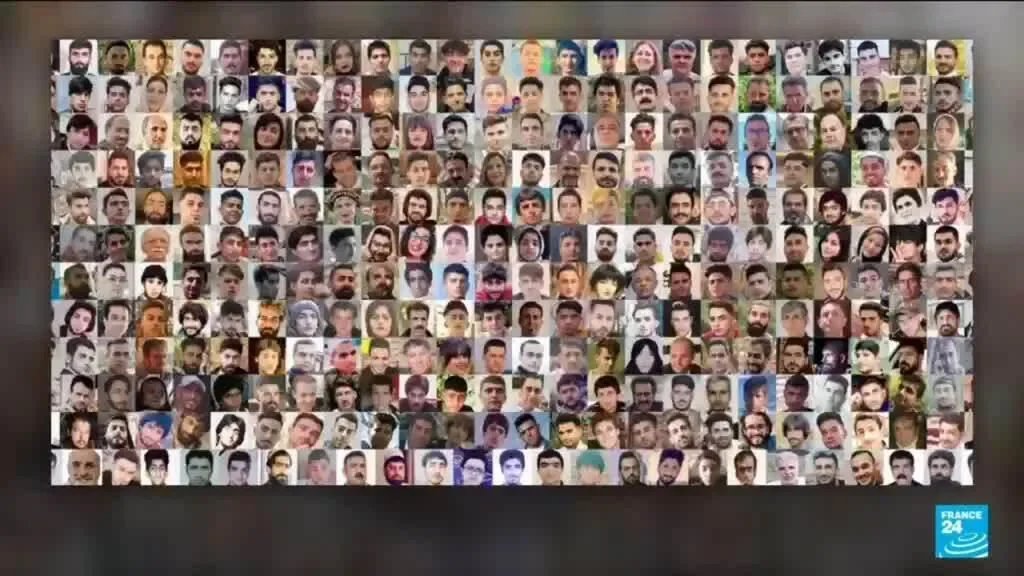
Amnesty International has escalated its legal rhetoric against the Iranian establishment, formally accusing authorities of committing crimes against humanity during the 2022 'Woman, Life, Freedom' protests. The human rights organization released a comprehensive report detailing the deaths of more than 500 individuals, including 71 children, asserting that the violence was not merely a series of isolated incidents but a systematic state policy. The report specifically highlights that Kurdish and Baluchi communities were disproportionately targeted, suggesting a discriminatory pattern in the state's use of lethal force.
By framing these actions as crimes against humanity, Amnesty is signaling to the United Nations General Assembly that the window for domestic accountability has closed. The group is now calling for the creation of an international justice mechanism to investigate and prosecute those responsible, many of whom remain in high-ranking positions within the judiciary and security forces. For the average Iranian, this development reinforces the country's growing isolation in the West, even as it seeks to project a sense of stability through regional diplomacy. The psychological weight of such international labels often precedes a new wave of targeted sanctions, which could further complicate Tehran's efforts to stabilize its currency in the long term.
Russia and China Provide Diplomatic Shield at UNSC
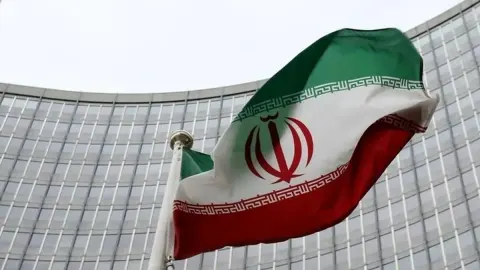
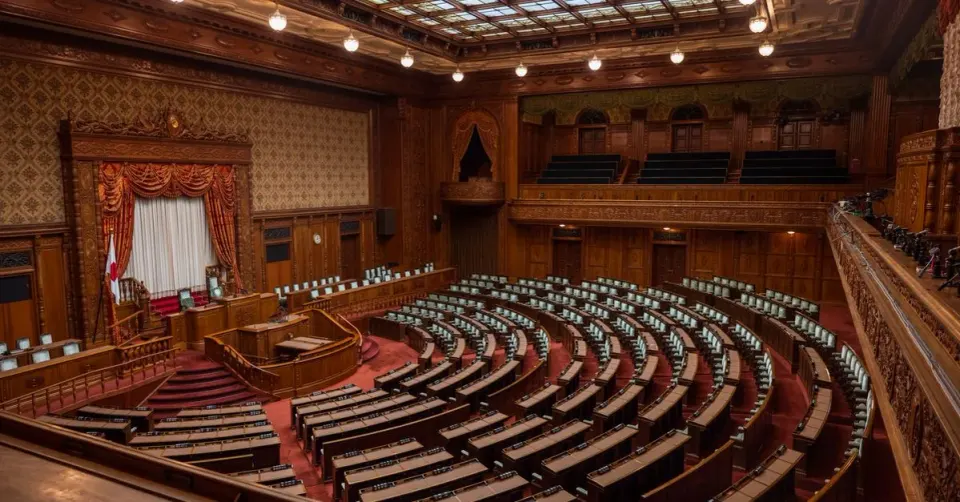
While human rights pressure mounts from non-governmental organizations, the geopolitical reality at the United Nations Security Council remains deadlocked in favor of Tehran. In a significant move today, both Russia and China exercised their veto power to block a US-drafted resolution aimed at extending the mandate of the Expert Panel of the 1737 Committee. This committee is tasked with monitoring sanctions and compliance related to Iran’s nuclear and military activities. The veto underscores the deepening 'axis of convenience' between Moscow, Beijing, and Tehran, where strategic interests in counteracting US influence outweigh Western concerns over proliferation or internal governance.
This diplomatic victory for Tehran comes at a critical juncture as the United States attempts to tighten the 'sanctions web' through international consensus. The failure of the resolution suggests that the era of unified global pressure on Iran is effectively over, replaced by a bifurcated world order where Eastern powers are willing to provide a buffer for their strategic partners. For market participants in Iran, this provides a temporary sense of relief, as it indicates that a 'snapback' of comprehensive international sanctions remains unlikely as long as Russia and China maintain their current stance. This geopolitical shield is one reason why the Toman has shown resilience today, with the USD sell rate moving from 230,700 to 228,600, a decrease of 0.9%.
---
Energy Markets and the Deepening Diesel Crunch
Global energy dynamics are shifting as Kpler reports that oil prices are likely to keep 'grinding higher' despite broader economic uncertainty. Matt Smith, an analyst at Kpler, noted that oil prices have risen approximately $30 per barrel since early August, driven by substantial supply losses in the Middle East. Estimates suggest that roughly 8.5 million barrels per day of production have been lost over the course of ongoing regional conflicts. This supply-side shock is being compounded by a deepening diesel crunch and reduced refinery runs, which are preventing the usual seasonal decline in fuel prices.
For the Iranian economy, which remains heavily dependent on oil and petroleum product exports (often through unconventional channels), rising global prices are a double-edged sword. While higher prices theoretically increase the value of exported barrels, the 'diesel crunch' mentioned by analysts suggests that the cost of shipping and logistics is also skyrocketing. This inflationary pressure on global trade eventually trickles down to the Iranian consumer in the form of higher prices for imported goods. Meanwhile, in the digital asset space, Bitcoin continues to coil near $76,637, showing remarkable stability even as traditional markets grapple with the aftermath of the Federal Reserve's recent interest rate hike.
International Justice and the Limits of Sanctions
The International Criminal Court (ICC) is currently at the center of a different storm, as acting Prosecutor Mame Mandiaye Niang declared that US sanctions would not prevent the court from 'doing its job.' This defiance follows the issuance of arrest warrants for Israeli officials, which prompted a sharp backlash from Washington. Niang’s stance highlights a growing trend where international legal bodies are attempting to assert their independence from the geopolitical agendas of major powers. This development is being watched closely in Tehran, as it sets a precedent for how international law might be applied to state actors regardless of their diplomatic alliances.
If the ICC and other international bodies successfully resist political pressure, it could change the calculus for leaders worldwide. For Iran, which is currently facing the Amnesty accusations mentioned earlier, the resilience of international legal institutions represents a potential long-term risk. However, in the immediate term, the focus remains on the domestic economy. Gold prices in Iran followed the currency's lead today, with 18k gold dropping 0.7% to 23,332,102 Toman per gram, reflecting a cautious but slightly more optimistic sentiment among local traders as the weekend approaches.
Frequently Asked Questions
چرا عفو بینالملل از عبارت «جنایت علیه بشریت» استفاده کرده است؟
وتوی روسیه و چین چه تاثیری بر تحریمهای ایران دارد؟
علت کاهش قیمت دلار در بازار امروز تهران چیست؟
بحران گازوئیل در بازارهای جهانی چه ارتباطی با اقتصاد ایران دارد؟
The Veto Power in the UN Security Council
The United Nations Security Council (UNSC) stands as the principal organ responsible for maintaining international peace and security. Comprising 15 member states, it has the power to impose sanctions, authorize military action, and establish peacekeeping operations. However, a distinctive feature of the UNSC, and often a point of contention, is the "veto power" held by its five permanent members: China, France, Russia, the United Kingdom, and the United States, collectively known as the P5.
This veto power grants any one of the P5 the ability to unilaterally block the adoption of any "substantive" resolution, regardless of the level of support it receives from other Council members. This means that even if 14 out of 15 members vote in favor of a resolution addressing issues like human rights violations, sanctions, or military interventions, a single "no" vote from a permanent member can prevent its passage. This mechanism was enshrined in the UN Charter in 1945, largely reflecting the geopolitical realities and power dynamics following World War II.
The implications of the veto power are profound. It has frequently been used by permanent members to protect their own national interests or those of their allies, often leading to paralysis on critical international issues. For instance, resolutions condemning specific states for alleged crimes against humanity or authorizing interventions to protect civilian populations have often been blocked by P5 members who have close political or economic ties with the accused state. This can undermine the Council's effectiveness, generate accusations of double standards, and impede efforts to hold perpetrators of serious international crimes accountable.
Critics argue that the veto power is an anachronism that hinders the UN's ability to act decisively in the face of modern global challenges, particularly when it comes to human rights and humanitarian crises. Debates about reforming the Security Council, including proposals to limit or abolish the veto, have been ongoing for decades, reflecting a desire for a more equitable and effective international system. However, any reform of the veto power itself would require the consent of the P5, making fundamental changes exceedingly difficult to achieve.