Toman Weakens as Araghchi Calls for Regional Unity; Oil Insiders Bet Against Peace Slump
کاهش ارزش تومان همزمان با دیپلماسی منطقهای عراقچی؛ شرطبندی سنگین بزرگان نفت بر تداوم تنشها
As Iran's Foreign Minister pushes for regional security dialogue, the Toman has slipped 1.3% against the USD. Meanwhile, global oil insiders are buying energy stocks despite potential peace talks, signaling a long-term hedge against regional instability.
At time of publishing
USD
231,500
Toman
Gold 18K
23.94M
Toman / gram
Bitcoin
$81,238
US Dollar
Tether
228,799
Toman
Diplomacy vs. Reality: Araghchi’s Security Vision Amid Market Pressure
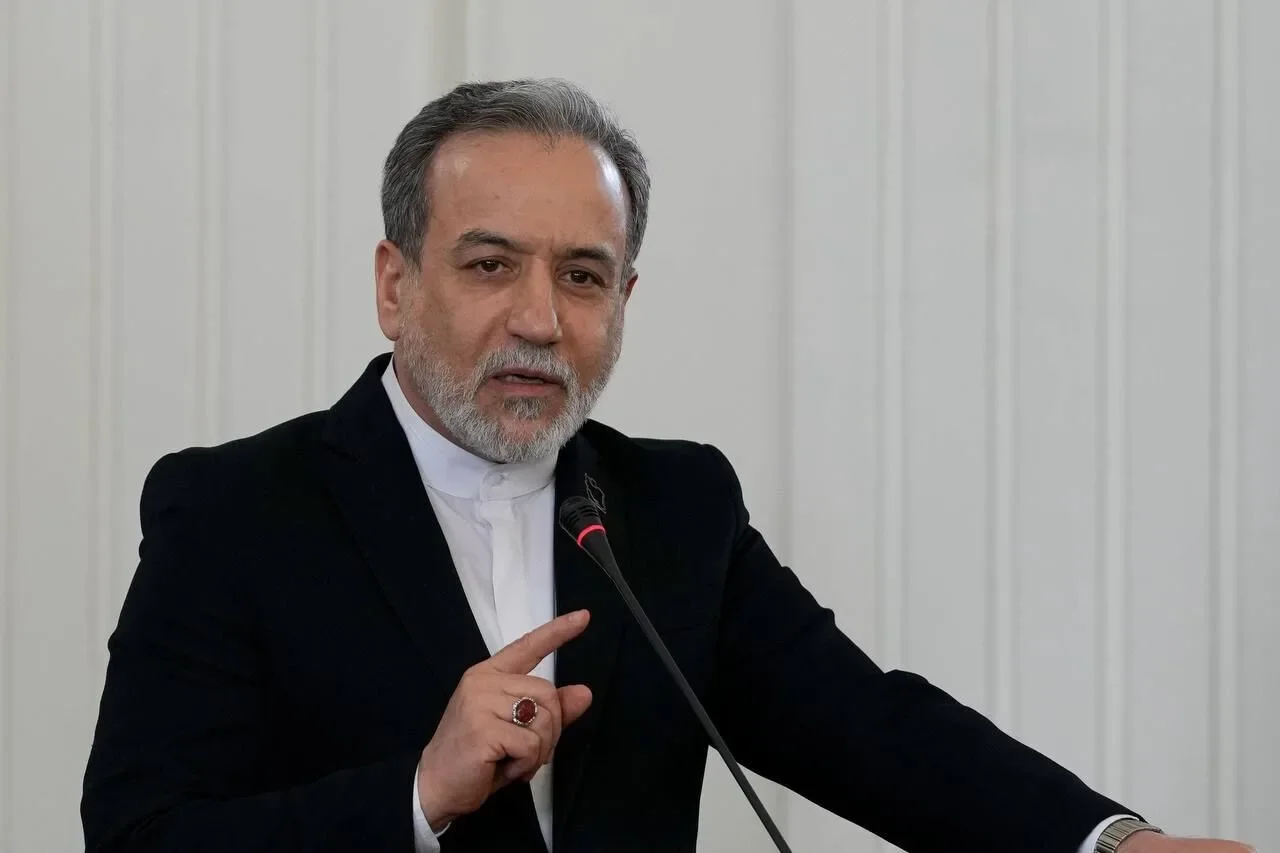
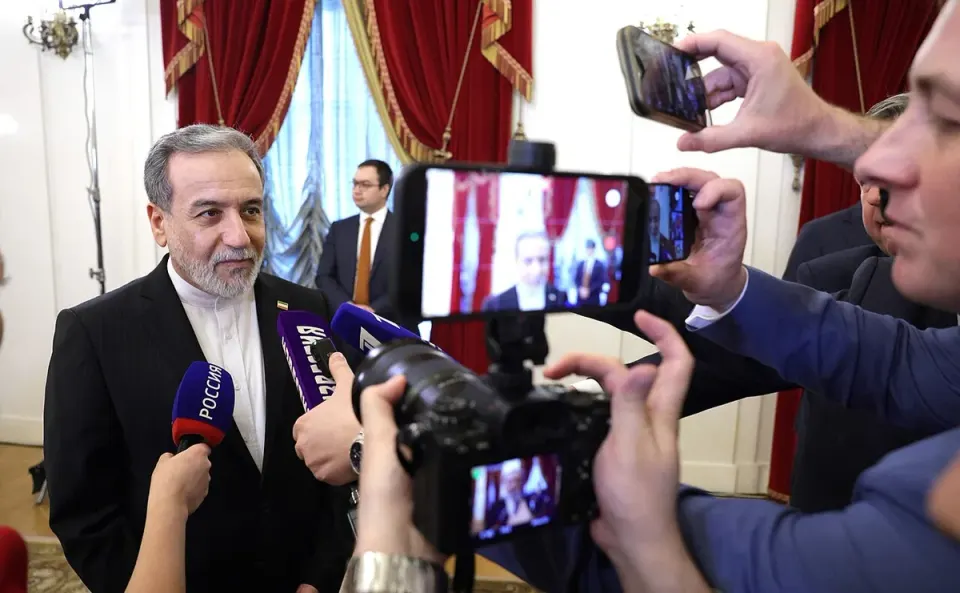
Iranian Foreign Minister Abbas Araghchi has once again emphasized that sustainable security in the Middle East can only be achieved through internal regional dialogue and the rejection of foreign military intervention. Speaking in Tehran, Araghchi framed the presence of external powers as a destabilizing factor, calling for a collective confidence-building mechanism among neighboring states. This diplomatic push comes at a critical time as the Islamic Republic seeks to navigate a complex web of sanctions and regional rivalries that have long isolated its economy from global financial hubs.
However, the financial markets are telling a more turbulent story than the diplomatic corridors. In the last 24 hours, the Iranian Toman has shown significant weakness, with the USD sell rate moving from 228,600 to 231,500, marking a 1.3% depreciation. The pressure on the currency is exacerbated by news from Ankara, where Turkish authorities recently revoked the operating license of Iran’s Bank Mellat in Istanbul. This move effectively severs a vital banking artery for Tehran, signaling that despite the talk of regional cooperation, institutional barriers and sanctions enforcement remain a primary hurdle for the Iranian financial sector.
The Oil Paradox: Insiders Buy While Peace Risks Loom
A fascinating divergence is appearing in the global energy markets. Analysts have noted that a sudden de-escalation of regional conflicts involving Iran would typically strike a blow against oil prices and energy stocks, as the "war premium" evaporates. Yet, despite the frequent headlines regarding potential ceasefires or diplomatic breakthroughs, corporate insiders at major energy firms are aggressively buying their own stocks. This behavior suggests that those with the deepest knowledge of the industry do not expect a permanent slump in prices or a total cessation of regional risk anytime soon.
For the Iranian reader, this trend is a double-edged sword. While high oil prices provide a theoretical cushion for the national budget, the underlying reason—persistent geopolitical tension—continues to drive inflation and currency devaluation at home. Gold prices in the domestic market have already reacted to this uncertainty; the price of 18k gold per gram rose from 23,459,070 to 23,941,548 Toman (+2.1%), while the Emami coin jumped 2.6% to reach 238,000,000 Toman. Investors are clearly choosing hard assets as a hedge against a diplomatic process that has yet to yield tangible economic relief.
Geopolitical Cracks: UK-Israel Relations and Red Sea Coalitions
Beyond Iran's borders, the geopolitical landscape is shifting in ways that further complicate regional stability. Relations between the United Kingdom and Israel have hit a significant low point over the issue of West Bank settlements. British officials have expressed frustration, claiming Israel reneged on promises to halt construction in sensitive areas. This friction between traditional allies highlights the growing international pressure on Israel, which could lead to shifts in Western foreign policy priorities in the Middle East, potentially altering the leverage Tehran holds in its own negotiations.
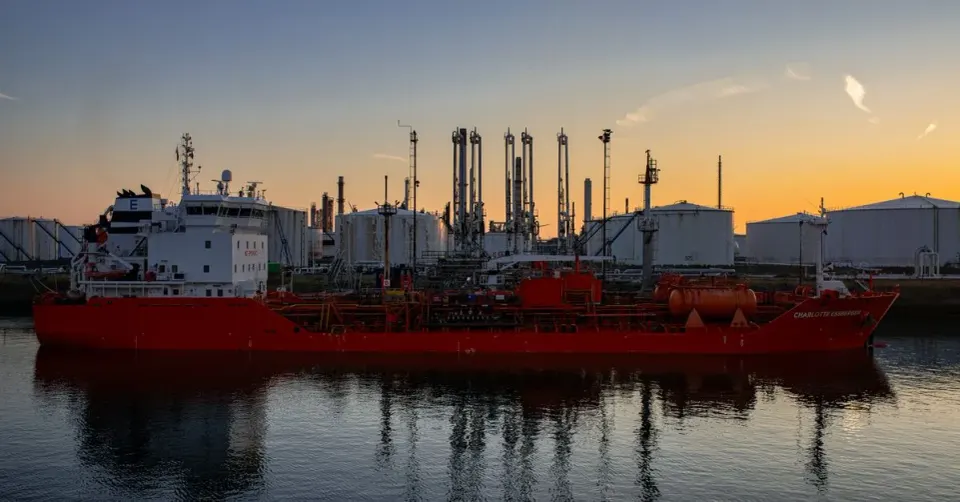
Simultaneously, Saudi Arabia has hosted a major meeting for a multinational naval coalition aimed at securing Red Sea waterways. This initiative, while framed as a move to protect global shipping, is a direct response to the persistent threats in the Bab al-Mandab strait. As regional powers like Saudi Arabia take a more proactive and independent role in maritime security, the influence of foreign navies—which Araghchi criticized—may indeed shift, but not necessarily in a way that favors Tehran’s current strategic posture. The formation of such coalitions often precedes new rounds of economic or logistical containment.
Global Market Pulse: Tech Resilience and Insider Exits
In the broader financial world, US markets are showing signs of cautious optimism despite the geopolitical noise. Dow Jones futures remained steady as tech giants like AMD and Moderna surged into attractive "buy areas," according to recent technical analysis. This resilience in the Nasdaq and S&P 500 suggests that global capital is still finding homes in innovation and healthcare, even as energy markets remain volatile. However, not everyone is holding on; Zscaler CEO Jay Chaudhry recently sold over $550,000 worth of shares, a move that often prompts retail investors to question whether a local peak in tech valuations has been reached.
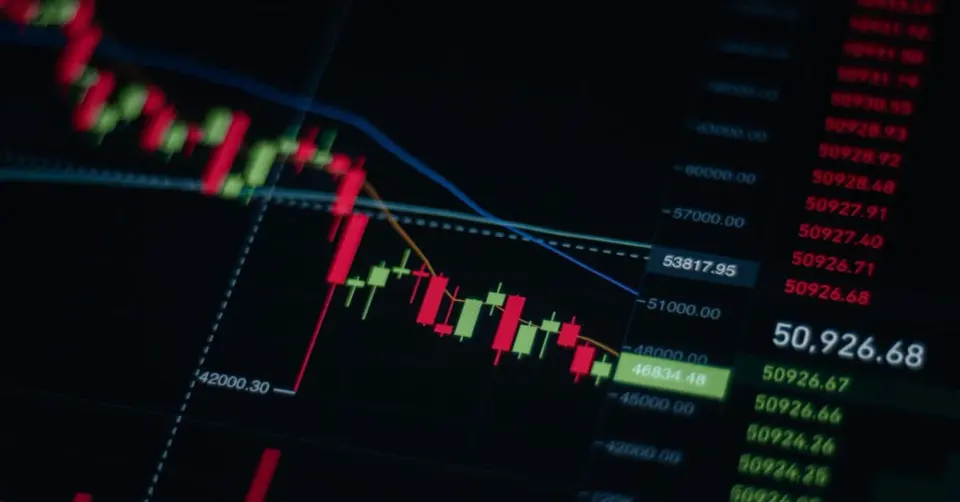
For those following the crypto space, Bitcoin continues to consolidate its gains, currently trading at $81,238. While the "obituaries" for Bitcoin continue to be written by traditional venture capitalists, the asset class remains the primary alternative for those looking to exit failing fiat currencies. In Iran, with the USDT price sitting at 228,799 Toman, the digital dollar remains a primary tool for capital preservation as the gap between the official and open-market rates continues to challenge the average consumer's purchasing power.
Frequently Asked Questions
Why is the Toman falling despite diplomatic talks?
Why are oil insiders buying stocks if peace is possible?
How has the price of gold reacted today?
Understanding the Geopolitical Risk Premium
In the volatile world of international relations and finance, the concept of a Geopolitical Risk Premium is crucial for understanding how global events directly impact markets, currencies, and commodity prices. Simply put, it's an additional cost or discount built into the price of an asset, or the value of a currency, to account for political instability, conflict, or uncertainty. When headlines speak of "Oil Insiders Betting Against a Peace Slump," they are implicitly referring to traders factoring in this premium, expecting that ongoing tensions will keep oil prices elevated, regardless of immediate supply and demand fundamentals.
For commodities like oil, geopolitical risk manifests directly through potential supply disruptions. Conflicts in critical shipping lanes, such as the Red Sea, or tensions in major oil-producing regions, create uncertainty about future supply. Even if current oil flows are unaffected, the mere threat of disruption prompts traders to demand a higher price to compensate for the increased risk. This "risk premium" acts as a buffer against potential future shocks, ensuring that the market is prepared for worst-case scenarios and preventing sudden, catastrophic price spikes.
The impact on national currencies, like the Iranian Toman, is equally significant. Geopolitical instability, sanctions, and regional conflicts deter foreign investment, encourage capital flight, and erode investor confidence. When a country is perceived as high-risk, its currency typically depreciates against more stable currencies (like the USD), as investors seek safer havens. The weakening of the Toman, as noted in the headline, is a direct reflection of these underlying geopolitical pressures and economic uncertainties, making imported goods more expensive and fueling domestic inflation.
Furthermore, this premium isn't confined to oil or specific currencies. It influences global trade patterns, investment decisions, and even the demand for safe-haven assets such as gold or, increasingly, cryptocurrencies like Bitcoin. When the world feels less secure, investors flock to assets perceived to hold their value, adding another layer of complexity to market dynamics. Understanding the geopolitical risk premium helps us see beyond daily headlines and grasp the deeper economic forces at play, revealing how political events translate into tangible economic consequences for nations and individuals alike.
Topics
Related Articles