Toman Slips as Pezeshkian Marks Poetry Day and Bitcoin Tests $82,000 Resistance Amid UK Crypto Scandal
نوسان در بازار ارز همزمان با پیام فرهنگی پزشکیان؛ بیتکوین در آستانه سد ۸۲ هزار دلاری
President Pezeshkian celebrates Iran's literary heritage while the Toman weakens 0.6% to 230,000. Meanwhile, Bitcoin faces stiff resistance at $82,178 as a £72m crypto donation sparks a political firestorm in the UK.
At time of publishing
USD
230,000
Toman
Gold 18K
23.78M
Toman / gram
Bitcoin
$81,290
US Dollar
Tether
228,551
Toman
Cultural Identity Amidst Economic Volatility
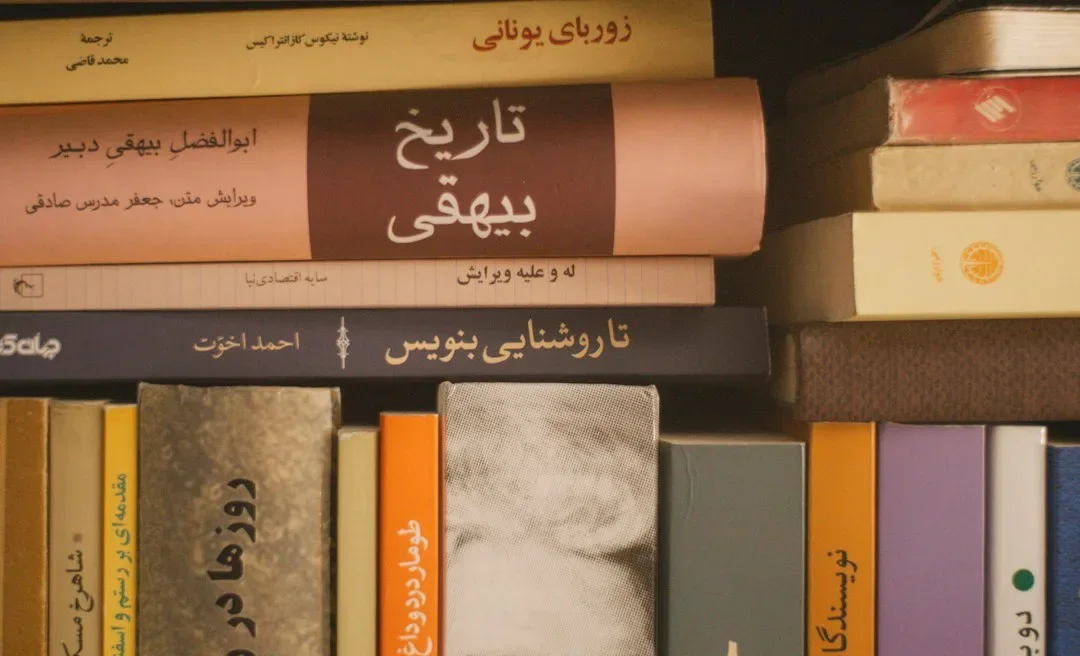
President Masoud Pezeshkian today marked the National Day of Persian Poetry and Literature, paying tribute to the legendary poet Shahriar and his unique ability to bridge the gap between traditional Iranian heritage and the complexities of modern existence. In a formal message, the President emphasized that literature remains the bedrock of Iranian identity, serving as a unifying force in times of national trial. This cultural outreach is seen by analysts as an attempt to bolster social cohesion; however, the symbolic gesture arrives at a moment when many Iranians are focused on more pressing material concerns. The divide between the state's cultural narrative and the daily economic struggles of the populace remains a significant point of domestic friction. While the government celebrates historical figures, the current market reality is less poetic. The Iranian Toman has experienced a notable decline today, with the USD selling price rising from 228,600 to 230,000 Toman, marking a 0.6% increase in just 24 hours. This shift has triggered a ripple effect across other asset classes, notably gold and coinage. The Emami coin has jumped from 232,000,000 to 235,000,000 Toman (+1.3%), while 18k gold rose 1.4% to reach 23,777,644 Toman per gram. For the average consumer, these numbers translate to immediate inflationary pressure, as the cost of imported goods and general services typically tracks the upward trajectory of the dollar, regardless of cultural milestones.

Regional Security and Diplomatic Friction
In the geopolitical arena, Tehran has voiced strong condemnation following a terrorist attack near a mosque in Kohat, Pakistan. Foreign Ministry spokesperson Esmaeil Baqaei criticized the strike, which occurred during Friday prayers and resulted in numerous casualties. This incident highlights the persistent instability in the Khyber Pakhtunkhwa province, a region that remains a flashpoint for cross-border security issues. For Iran, stability in Pakistan is not merely a diplomatic preference but a strategic necessity, as ongoing violence threatens regional trade corridors and provides a foothold for extremist groups that could potentially target Iranian interests along the eastern border. Simultaneously, tensions with Europe have flared once again. Foreign Minister Abbas Araghchi recently dismissed human rights allegations from his French counterpart, Jean-Noel Barrot, as "crocodile tears," pointing to Paris's perceived silence regarding the impact of US sanctions on Iranian civilians. This diplomatic spat occurs against the backdrop of the ongoing conflict in Ukraine, where a recent Russian strike on an apartment building in Sumy killed at least two people. As global powers remain locked in these proxy and direct confrontations, the prospect of eased sanctions or a return to diplomatic normalization for Iran seems increasingly remote, keeping the risk premium on the Toman exceptionally high.

Bitcoin’s Technical Ceiling and Political Crypto Clouds
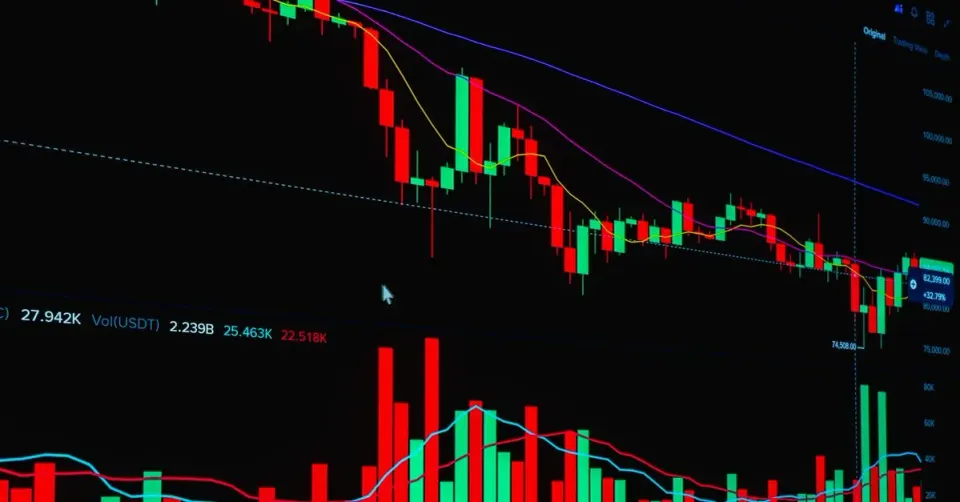
Bitcoin is currently navigating a high-stakes technical environment as it attempts to break past a significant resistance level of $82,178. Market data shows the Money Flow Index (MFI) has hit a saturated level of 100, suggesting that the current rally may be overextended in the short term. While BTC is trading at approximately $81,290 at the time of writing, the inability to decisively clear the $82k mark has led to a slight cooling of sentiment. For Iranian traders who use Tether (USDT) as a hedge against local currency devaluation, the stablecoin's price of 228,551 Toman provides a critical benchmark for their digital portfolios, even as global volatility persists. Beyond price action, the crypto industry is facing new political scrutiny in the United Kingdom. Nigel Farage’s Reform UK party is embroiled in a controversy following a massive £72 million donation from crypto billionaires Ben Delo and Christopher Harborne. This unprecedented influx of capital has led to accusations that crypto wealth is being used to "buy" political influence, prompting calls for stricter oversight of party funding. Meanwhile, Coinbase is pushing for more institutional integration by filing to list single-stock perpetual contracts for tech giants like Apple and Tesla. This move indicates that despite political scandals, the infrastructure for digital assets continues to merge with traditional finance, a trend that will likely dictate the next phase of global market regulation.
Frequently Asked Questions
Why did the Toman weaken today despite no major new sanctions?
What is the significance of the $82,178 level for Bitcoin?
How does the UK Reform party scandal affect the crypto market?
Understanding Currency Depreciation: The Case of the Iranian Toman
Currency depreciation refers to the fall in the value of a country's currency relative to other currencies. When a currency depreciates, it means that more units of the local currency are required to purchase a single unit of a foreign currency, such as the US dollar. For instance, if the Iranian Toman depreciates against the USD, it means you'd need more Toman to buy one dollar than before. This phenomenon is often a significant concern for economies, particularly those facing external pressures or internal instability.
Several factors can contribute to currency depreciation. High inflation within a country erodes the purchasing power of its currency, making it less attractive to hold compared to currencies from more stable economies. Economic instability, political uncertainty, and trade imbalances—where a country imports significantly more than it exports—can also put downward pressure on a currency. Furthermore, international sanctions, as seen in Iran's case, severely restrict a country's ability to engage in global trade and access foreign currency, leading to a scarcity of hard currency and thus a depreciation of the local tender.
The consequences of currency depreciation are far-reaching. It makes imports more expensive for consumers and businesses, potentially fueling domestic inflation as the cost of imported goods and raw materials rises. While it can make a country's exports cheaper and more competitive on the global market, this benefit is often overshadowed by the increased cost of living and doing business. For individuals, a depreciating currency means their savings lose value, and their purchasing power diminishes, often prompting them to seek alternative stores of value like foreign currencies, gold, or even cryptocurrencies, as seen with interest in assets like Bitcoin or local gold coins.