Tehran’s Military Show of Force Spooks Markets as Toman Hits 231,000 and US Admits to Space Weapons
رژه پهپادهای شاهد در تهران و جهش قیمت دلار؛ آمریکا از تسلیحات فضایی خود پردهبرداری کرد
Iran’s massive military mobilization in Tehran has triggered a 1% rise in the USD/IRR exchange rate, while the US Air Force’s admission of orbital weapons adds a new layer of geopolitical risk. Despite mounting threats, global stock markets and Bitcoin remain surprisingly resilient.
At time of publishing
USD
231,000
Toman
Gold 18K
23.80M
Toman / gram
Bitcoin
$81,250
US Dollar
Tether
230,921.46
Toman
Tehran’s Show of Force and the Market’s Nervous Response
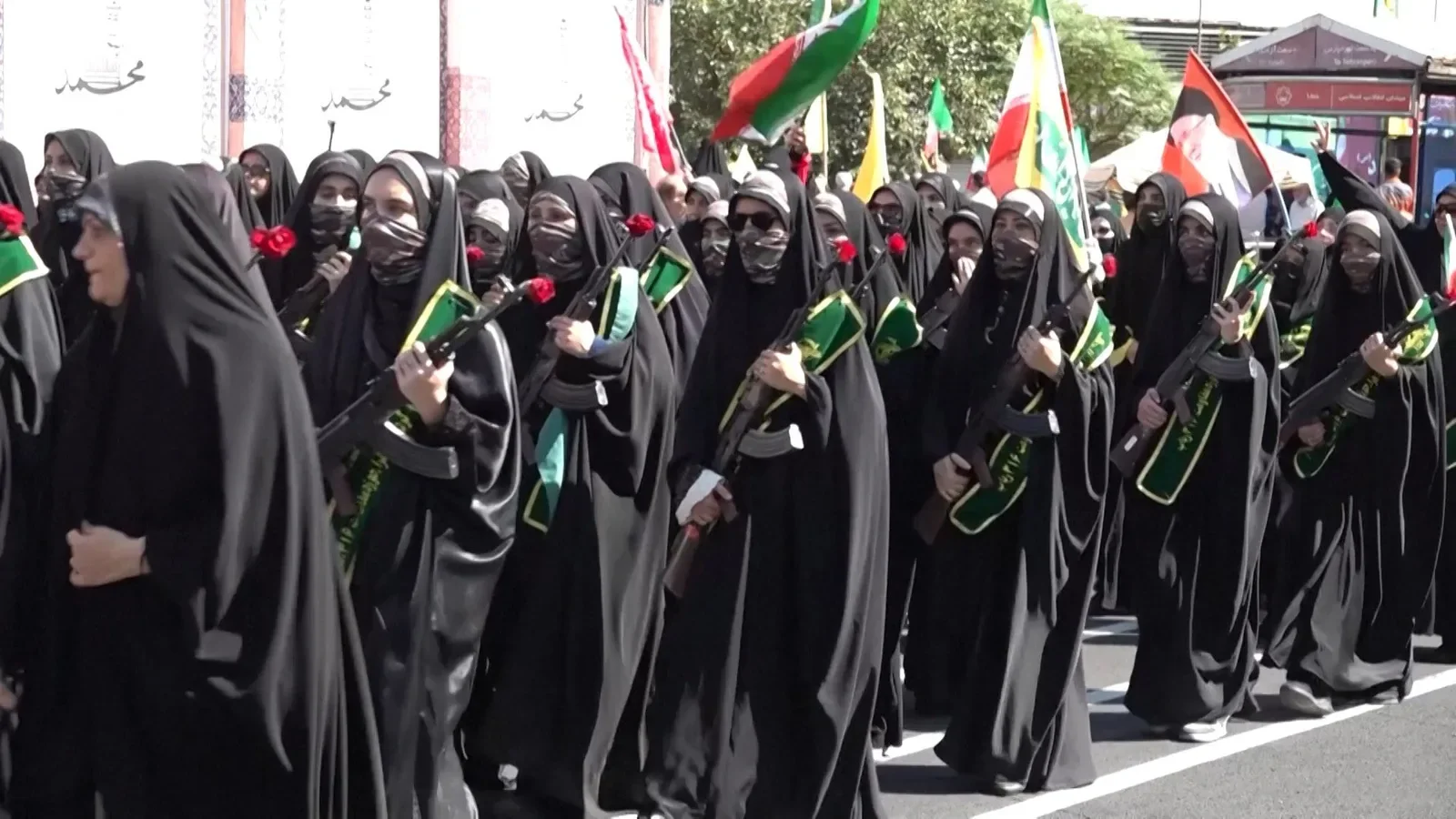
On Saturday afternoon, Tehran witnessed a massive mobilization campaign characterized by a significant display of military hardware. Reports from the capital described hundreds of thousands marching alongside anti-aircraft guns, armed units, and a prominent display of Shaheed drones. While state media framed the event as a demonstration of national readiness and mobilization, the visual of heavy weaponry in the streets of the capital immediately translated into anxiety within the local financial markets. This kind of military posturing often serves as a double-edged sword: intended to project strength to foreign adversaries, it frequently signals domestic instability or impending conflict to local investors.
The impact on the open market was instantaneous. The US Dollar, which was trading at 228,600 Toman, rose to 231,000 Toman, marking a 1.0% increase in a single session. The gold market felt an even sharper sting; the Emami coin surged from 232,000,000 to 237,500,000 Toman, a jump of 2.4%. This shift suggests that Iranian savers are once again fleeing toward hard assets as a hedge against geopolitical uncertainty. When drones and anti-aircraft batteries become the backdrop of daily life in the capital, the public’s confidence in the rial inevitably takes a back seat to the safety of gold and foreign currency.
The High Frontier: US Admits to Space Weaponization
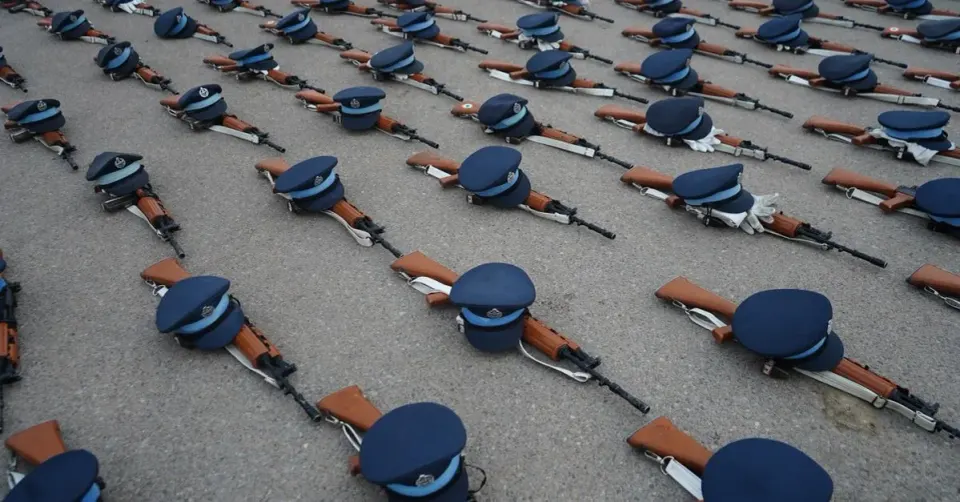
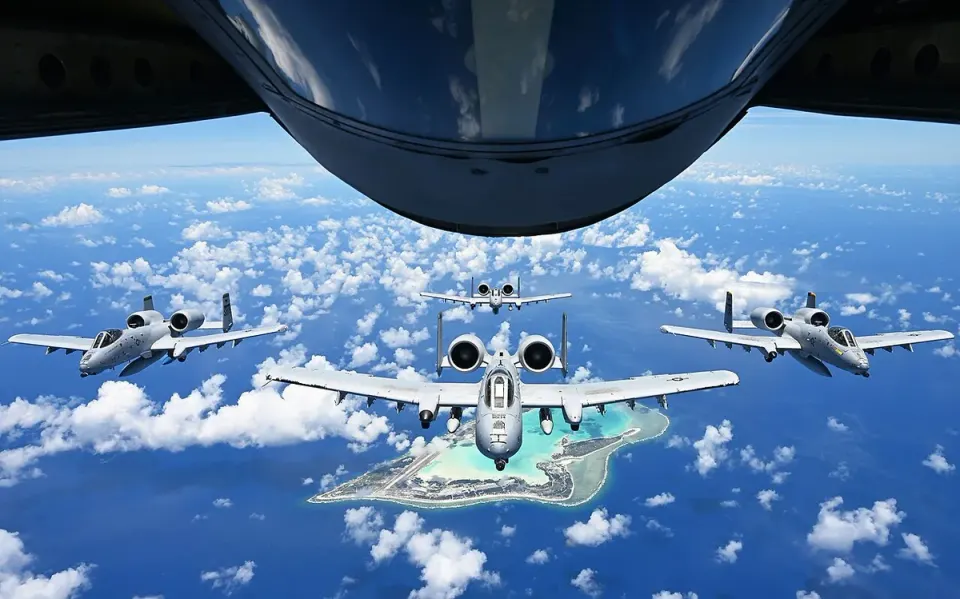
In a revelation that has left geopolitical analysts and space experts scrambling for answers, the US Air Force has officially admitted to deploying weapons in space. While the existence of orbital weaponry has long been the subject of speculation and science fiction, this formal acknowledgment marks a shift in the White House's strategic posture under the current administration. However, the admission was notably sparse on details; the White House has refused to explain the nature of these weapons or the specific threats they are intended to counter. This lack of transparency has created a vacuum of information, leading to concerns about a new, unmonitored arms race in the Earth's orbit.
This development occurs alongside other aggressive territorial moves by Washington, including a newly reached deal over Greenland following previous annexation threats. President Trump claimed the agreement would give the US "permanent control over security" in Greenland, though Danish officials remain more cautious in their public confirmations. For the global community, the combination of space-based weapons and the securing of strategic northern territories signals a US foreign policy that is increasingly focused on total domain dominance. For Iranian readers, this escalation in global military tension usually correlates with higher risk premiums on all regional assets, as the threat of a broader conflict becomes more tangible.
Market Complacency and the Global Risk Paradox
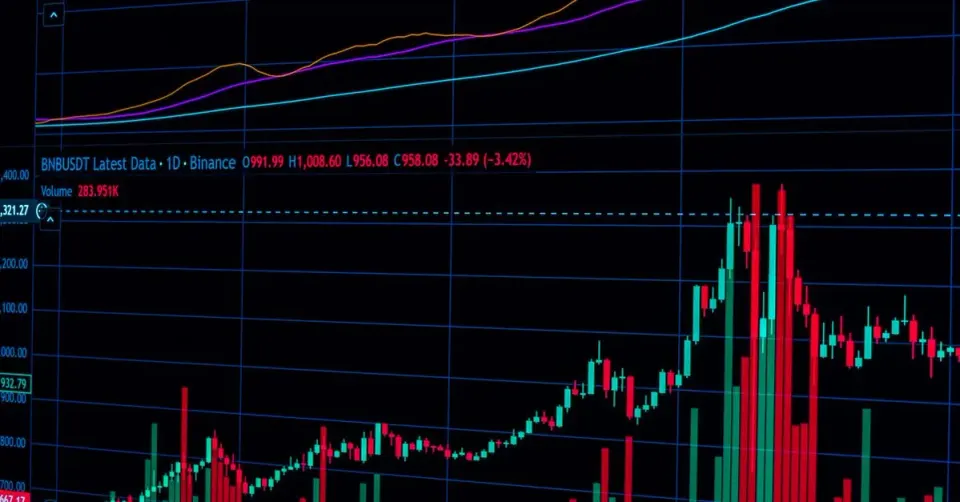
Despite the rattling of sabers in Tehran and the weaponization of space by Washington, global stock markets and the cryptocurrency sector remain in a state of eerie calm. Bitcoin continues to hold its ground at $81,250, showing that the digital asset has currently decoupled from immediate geopolitical shocks. This "complacency" is puzzling to many analysts, as the list of threats—from high interest rates to regional wars—continues to grow. One reason for this may be the recent actions of the Federal Reserve under Kevin Warsh, who recently presided over a unanimous decision to raise interest rates to combat stubborn inflation. Investors seem to believe that as long as the Fed is "serious" about economic orthodoxy, the broader market can weather geopolitical storms.
However, voices of dissent are beginning to emerge from the industrial elite. Sir Jim Ratcliffe, the co-owner of Manchester United and founder of Ineos, recently described the UK as a country "on the slide," citing high taxes and immigration as catalysts for decline. This sentiment reflects a broader unease among global billionaires who see traditional Western powers losing their competitive edge. Meanwhile, tragic events like the suspected methanol poisoning in Nigeria, which claimed 49 lives, serve as a reminder of the fragility of stability in emerging markets. For the average investor, the current environment is a paradox: the world feels increasingly dangerous, yet the screens show green, suggesting that the eventual market correction, when it comes, could be violent.
Frequently Asked Questions
Why did the price of the dollar and gold increase in Iran today?
What are the implications of the US admitting to space weapons?
Why is Bitcoin staying stable at $81,000 despite these tensions?
Geopolitical Risk and Currency Valuation
Geopolitical risk refers to the potential for political instability, conflicts, or significant international tensions to disrupt global economic and financial systems. These risks can stem from various sources, including military confrontations, trade wars, diplomatic disputes, or internal political turmoil within key nations. Unlike conventional economic indicators, geopolitical risks introduce a layer of unpredictability and uncertainty that can profoundly influence market sentiment and investment decisions worldwide.
When geopolitical tensions escalate, investors often seek to minimize exposure to perceived riskier assets and move towards safer havens. This "flight to safety" typically involves shifting capital into stable currencies like the US Dollar, Swiss Franc, or Japanese Yen, and into assets like gold or government bonds of highly stable economies. Conversely, currencies of nations directly involved in or significantly impacted by the geopolitical event tend to depreciate as capital flows out, driven by concerns over economic stability, potential sanctions, or disruptions to trade and investment.
The depreciation of the Iranian Toman, as highlighted in the headline, serves as a stark example of geopolitical risk directly impacting currency valuation. When a country faces heightened international pressure, military posturing, or economic sanctions, foreign investors may withdraw capital, and domestic citizens might seek to protect their savings by converting them into more stable foreign currencies. This increased demand for foreign currency and decreased demand for the local currency leads to a sharp depreciation of the local currency, meaning it takes more of the local currency to buy one unit of a foreign currency (e.g., USD). This erosion of purchasing power can fuel inflation and create economic instability.
Topics
Related Articles