Houthi Attack Near Riyadh Airport Sparks Oil Fears as Toman Slips and Fed Signals Inflation War
حمله حوثیها به نزدیکی فرودگاه ریاض و جهش قیمت طلا و ارز در بازار تهران
Regional tensions spiked Saturday following a Houthi-claimed attack on an Aramco facility near Riyadh’s international airport, sending the Toman down 1.4%. Meanwhile, Fed Chair Kevin Warsh has convinced Wall Street of his hawkish stance on inflation, signaling a long-term shift in global interest rate expectations.
At time of publishing
USD
231,700
Toman
Gold 18K
23.96M
Toman / gram
Bitcoin
$81,244
US Dollar
Tether
231,618.21
Toman
Flames Near Riyadh Airport: A New Regional Escalation
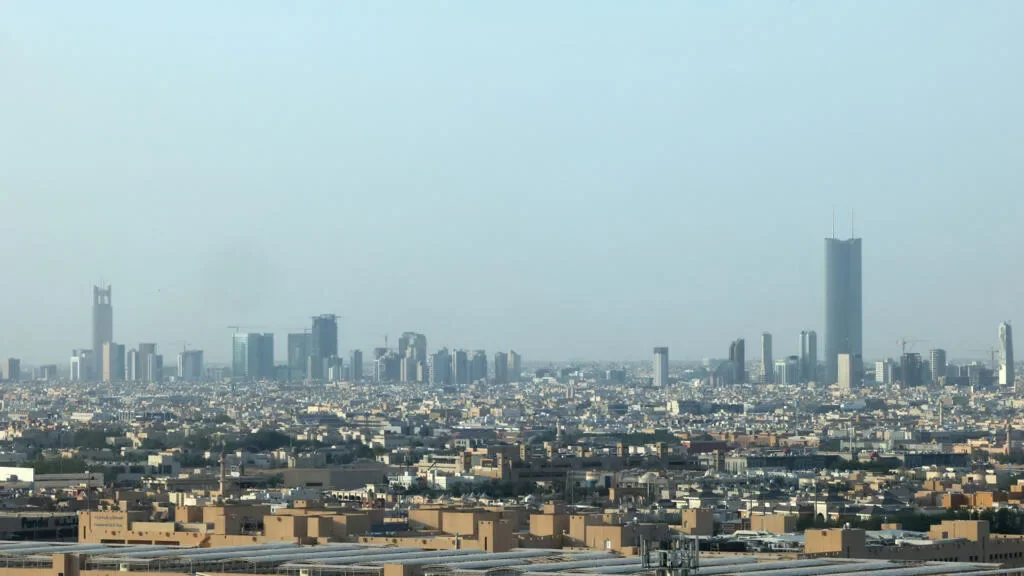
A plume of thick black smoke rose over Riyadh’s main international airport on Saturday afternoon, marking a significant escalation in regional hostilities. Reports from the ground and social media footage confirmed that an Aramco fuel storage tank was hit, leading to widespread flight disruptions and panic among residents who reported hearing multiple loud booms. This attack, attributed to Iran-backed Houthi rebels, comes at a time when regional diplomatic efforts seemed to be gaining traction, now effectively throwing those prospects into uncertainty.
For the Iranian market, the reaction was swift and predictable. The US Dollar in Tehran’s open market rose from 228,600 to 231,700 Toman, a 1.4% increase within the last 24 hours. Historically, any flare-up involving Saudi energy infrastructure triggers a flight to safety in Iran, as traders anticipate potential retaliatory measures or heightened sanctions enforcement. The psychological impact of smoke over Riyadh is often more potent for the Toman's exchange rate than actual economic data, reflecting a deep-seated anxiety about regional stability.
The Warsh Fed: A New Era of Monetary Orthodoxy
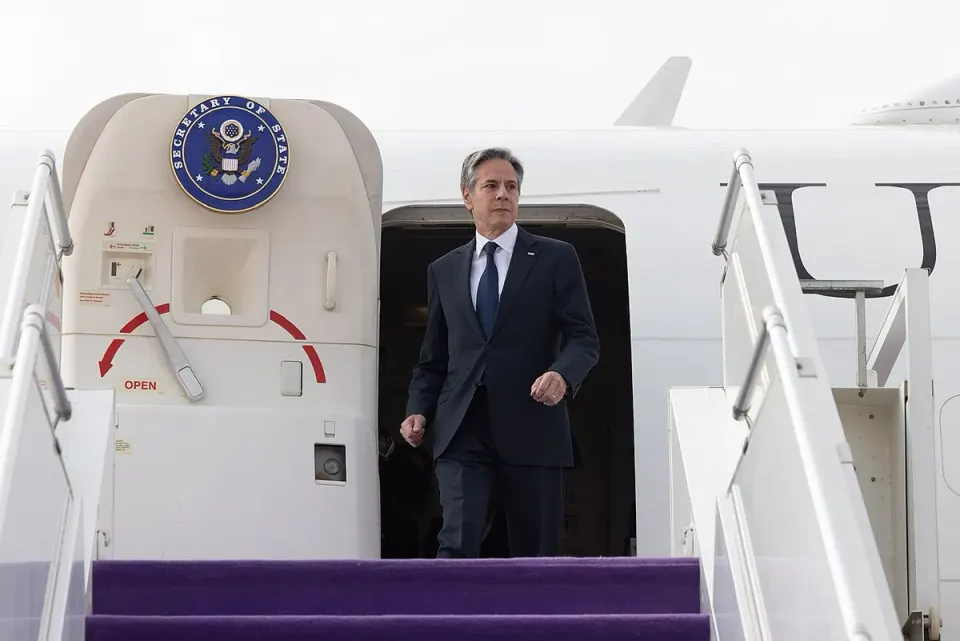
In Washington, Federal Reserve Chair Kevin Warsh has finally managed to do what his predecessors struggled with: convincing Wall Street that the central bank is genuinely committed to its 2% inflation target. After years of overshooting, the Fed’s latest stance suggests that interest rates will remain "higher for longer" well into 2029. Warsh’s unanimous decision to hike rates despite political pressure from the White House has signaled a return to economic orthodoxy, effectively ending the era of cheap credit that fueled the post-pandemic recovery.
This shift has profound implications for global liquidity and, by extension, the Iranian economy. A stronger US Dollar globally puts downward pressure on emerging market currencies and increases the cost of imports. While gold prices usually suffer under high-interest rates, the local price of gold in Iran actually rose by 2.1% today, reaching 23,962,325 Toman per gram. This divergence shows that for Iranian investors, the fear of local currency devaluation and regional war currently outweighs the global trends dictated by the Federal Reserve.
Energy Security Trumps Climate Goals in the UK
Across the Atlantic, a major political shift is taking place in Scotland that could reshape European energy security. The newly elected leader of Scottish Labour, Michael Marra, has officially backed the development of the Rosebank and Jackdaw oil and gas fields in the North Sea. This move represents a "more rational" approach to energy, prioritizing domestic production over reliance on volatile international markets. It is a stark departure from previous green-heavy platforms and underscores how the global energy crisis is forcing even left-leaning politicians to embrace fossil fuels.
This policy shift is part of a broader global trend where energy independence is being treated as a matter of national security. As the UK looks to insulate itself from the shocks of Middle Eastern instability—like the attack seen today in Riyadh—the opening of new North Sea fields ensures a steadier supply for Europe. For the global oil market, this adds a layer of long-term supply stability, though it does little to alleviate the immediate price spikes caused by geopolitical friction in the Persian Gulf and Red Sea corridors.

Your TV is Watching You: The Privacy Scandal Deepens
A disturbing new report from Gamers Nexus and The Verge has sent shockwaves through the tech world, revealing that modern Smart TVs—notably those from LG and other major manufacturers—are engaging in extensive surveillance of their users. The investigation found that these devices can record and store audio even when they appear to be powered off. Furthermore, they track every piece of content watched, regardless of the source, and transmit this data to third-party advertisers. This isn't just about targeted ads; it’s a fundamental breach of domestic privacy that turns the living room into a data-mining hub.
The implications for security-conscious users are severe. If these devices can be remotely hacked to become covert surveillance tools, they represent a significant vulnerability in both homes and corporate boardrooms. As AI benchmarking becomes the new gold standard for tech companies, the hunger for raw consumer data is driving manufacturers to bypass traditional privacy boundaries. For consumers, this highlights the hidden cost of "smart" technology: the hardware may be affordable, but the price is paid in the total loss of digital and physical privacy.
Frequently Asked Questions
چرا حمله به ریاض باعث افزایش قیمت دلار در ایران شد؟
سیاست جدید فدرال رزرو چه تاثیری بر قیمت طلا دارد؟
چگونه میتوان از جاسوسی تلویزیونهای هوشمند جلوگیری کرد؟
Geopolitical Risk Premium in Oil Markets
When a conflict erupts near a major oil‑producing hub—such as the recent Houthi missile strike close to Riyadh’s King Khalid International Airport—oil traders do not just react to the immediate loss of supply. They also price in a geopolitical risk premium, an extra amount added to the base price of crude to compensate for the heightened chance of future disruptions. This premium reflects the market’s assessment of political instability, military actions, and the probability that such events will interrupt production, transport, or export capacity.
The risk premium is not a fixed number; it fluctuates with the perceived severity and proximity of the threat. In the case of the Houthi attacks, the premium can rise sharply because the Red Sea is a key chokepoint for Saudi oil shipments to Asia and Europe. Even a brief interruption can push the price of benchmark crudes like Brent or WTI up by several dollars per barrel, as traders hedge against the risk of supply shortages. The premium is embedded in futures contracts, insurance costs for tankers, and the pricing of derivative instruments.
Understanding the risk premium helps explain why oil prices often move more than supply‑demand fundamentals would suggest. For instance, a modest decline in Saudi output might normally cause a 1‑2% price rise, but when paired with a geopolitical shock, the same decline can trigger a 5‑10% surge because the market adds the extra risk charge. This mechanism also influences related currencies, such as the Iranian toman, whose value can be affected indirectly through changes in oil revenue expectations and sanctions‑related risk.
Investors and policymakers monitor the risk premium closely. Central banks, like the U.S. Federal Reserve, watch oil price volatility because it feeds into inflation calculations; a sudden premium‑driven spike can prompt tighter monetary policy. Meanwhile, oil‑dependent economies may adjust fiscal budgets to account for the possibility of higher revenues—or losses—stemming from geopolitical events.
In practice, the premium can be quantified by comparing the price of a “clean” crude (produced in a politically stable region) with a similar grade from a conflict‑prone area. The differential, after adjusting for quality and transportation costs, gives a market‑based estimate of the geopolitical risk premium at that moment.
Topics
Related Articles