Trump Purges White House Press Corps as Riyadh Explosions Spook Energy Markets
اخراج رسانهها از کاخ سفید توسط ترامپ و انفجار در نزدیکی فرودگاه ریاض؛ تلاطم در بازارهای جهانی
President Trump has escalated his war on the media by banning major outlets from the White House, while reported explosions near Riyadh's airport have sent ripples through regional security and energy sentiment.
At time of publishing
USD
231,700
Toman
Gold 18K
23.98M
Toman / gram
Bitcoin
$81,529
US Dollar
Tether
231,605.698
Toman
The Press Purge: Trump Bars Major Outlets from White House
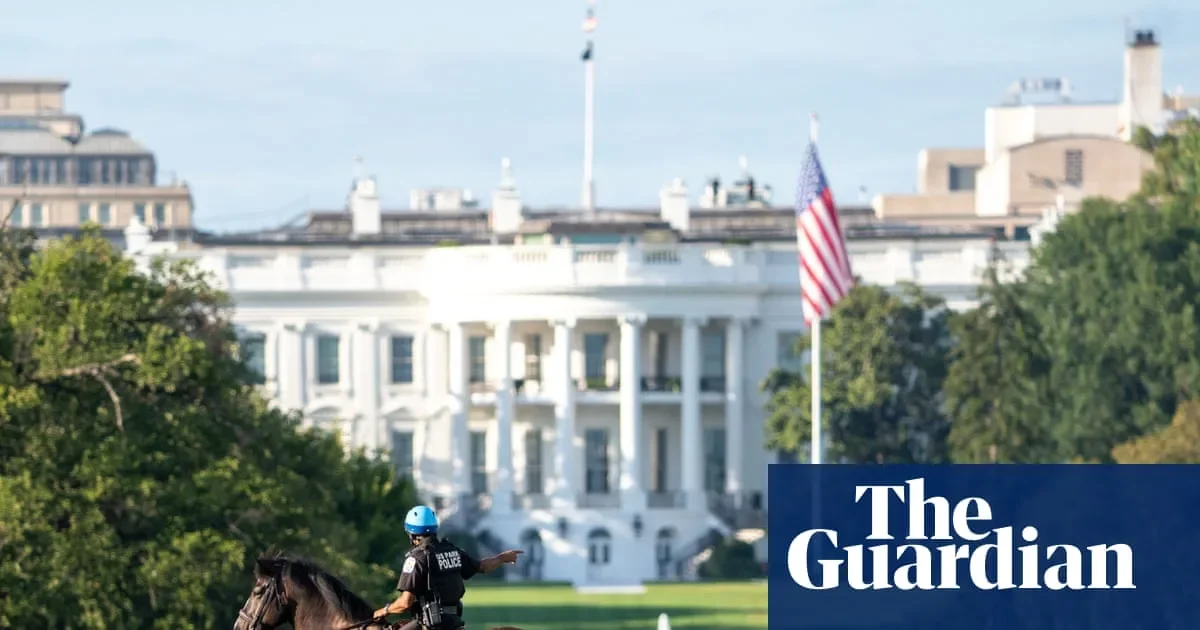
In a dramatic escalation of his long-standing hostility toward the mainstream media, President Donald Trump has officially banned journalists from CNN, MS Now, and Politico from entering the White House grounds. On Saturday morning, reporters and camera crews from MS Now were reportedly turned away at the security gates by the U.S. Secret Service, who confiscated their press passes. This move follows a series of public statements by the President expressing deep dissatisfaction with their coverage, stating simply, "You get sick of it."
This is not merely a symbolic gesture; it represents a fundamental shift in the relationship between the executive branch and the press corps. By physically excluding specific outlets, the administration is centralizing control over the narrative and limiting the ability of critical journalists to ask direct questions. For global markets, this institutional erosion often signals a period of heightened unpredictability in U.S. policy, as the traditional checks and balances provided by a transparent press are weakened. Critics argue this sets a dangerous precedent for democratic accountability, while supporters view it as a necessary strike against perceived media bias.

Riyadh on Edge: Explosions Reported Near International Airport
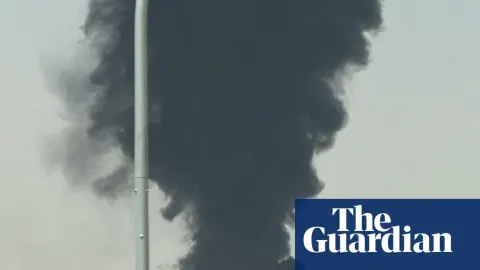
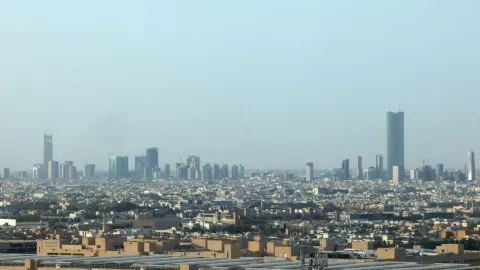
Security concerns in the Middle East have intensified following reports of multiple explosions and smoke seen near the King Khalid International Airport in Riyadh. While Saudi authorities have not yet provided a definitive cause, the blasts occurred shortly after air raid alerts were triggered across the capital. Local flight operations have faced significant disruption, and the incident has put regional energy markets on high alert, fearing a potential escalation in the ongoing conflict with Houthi forces. The psychological impact of explosions near a major civilian and logistics hub cannot be understated, as it directly challenges the perceived safety of Saudi infrastructure.
For the Iranian market, these developments are contributing to a visible rise in risk premiums. The US Dollar in Tehran moved from 228,600 to 231,700 Toman (+1.4%) within the last 24 hours, reflecting a flight to safety among local investors. Historically, any threat to the stability of the Saudi oil heartland or its transport hubs leads to immediate volatility in global crude prices, which in turn pressures regional currencies. If the situation escalates, we may see further weakening of the Toman as traders hedge against regional instability.
Market Outlook: BofA Sets Cautious S&P Target Amid Insider Selling
Wall Street's outlook for the coming year is turning increasingly nuanced. Bank of America has set a 12-month target for the S&P 500 at 7,800, which implies a modest 2% upside from current levels. This conservative estimate suggests that the massive rally seen in recent months may be losing steam as high interest rates and geopolitical tensions begin to weigh on corporate earnings. Analysts at BofA suggest that while the bull market isn't dead, the easy gains have likely been made, and investors should brace for a period of consolidation.
Adding to this cautious sentiment is a notable increase in insider selling. For instance, Soleil Boughton, the Chief Legal Officer of Hims & Hers, recently sold 6,236 shares of the company. While insider sales can occur for various personal reasons, a cluster of such sales across the tech and healthcare sectors often signals that executives believe their stock prices have reached a near-term ceiling. For retail investors, this serves as a reminder to look beyond the headlines and monitor the actions of those with the most intimate knowledge of corporate health.

AI and Antitrust: The Battle for Technological Dominance
The debate over artificial intelligence has shifted from technical capabilities to legal and existential frameworks. Jonathan Kanter, the former antitrust chief for the Department of Justice, has raised critical questions about whether AI companies require an antitrust exemption to ensure safety. The core of the argument is whether the extreme competition for AI dominance is forcing companies to cut corners on safety protocols, potentially creating systemic risks. However, granting such an exemption could lead to a permanent monopoly for the current tech giants, stifling innovation and giving a handful of firms unprecedented power over the global economy.
This regulatory battle will define the next decade of the tech industry. If governments move toward heavy regulation or antitrust crackdowns, we could see a fragmentation of the AI market, which might slow development but increase safety. Conversely, a hands-off approach could lead to a winner-take-all scenario where one or two companies control the fundamental infrastructure of the modern world. For the financial sector, the outcome will determine which firms become the next generation of "too big to fail" institutions.
Frequently Asked Questions
چرا ترامپ رسانههای بزرگ را از کاخ سفید اخراج کرد؟
انفجار در نزدیکی فرودگاه ریاض چه تاثیری بر بازار ایران داشت؟
پیشبینی بانک آمریکا برای بازار سهام چیست؟
Geopolitical Risk and Global Oil Prices
Geopolitical risk, broadly defined as the potential for political instability or conflict in one region to affect economic or political outcomes globally, is a profound driver of global oil prices. The headline's mention of "Riyadh Explosions Spook Energy Markets" perfectly illustrates this dynamic. When significant events like attacks on energy infrastructure, regional conflicts, or political upheavals occur in major oil-producing or transit regions, the immediate market reaction is often a surge in crude oil prices. This isn't merely about actual supply disruptions; it's also heavily influenced by the perception of future supply disruptions and increased uncertainty.
The mechanism behind this reaction is multifaceted. Firstly, any threat to oil-producing facilities or shipping lanes, particularly in critical areas like the Middle East, can directly reduce the physical supply of oil available to the global market. Even if no oil is immediately lost, the risk of future supply cuts prompts traders and investors to bid up prices, anticipating scarcity. Secondly, geopolitical tensions often lead to increased demand for strategic reserves by governments and a general shift towards risk aversion among investors, who might move capital out of riskier assets and into commodities like oil, which can serve as a hedge against inflation or instability.
The ripple effects of such oil price volatility are far-reaching. Higher oil prices translate to increased costs for transportation, manufacturing, and ultimately, consumer goods, fueling inflation. This can dampen consumer spending and economic growth, forcing central banks to consider monetary policy adjustments. For countries heavily reliant on oil imports, it can strain their balance of payments and weaken their currency, while oil-exporting nations might see a temporary boost. Understanding this intricate relationship between geopolitical events and oil markets is crucial for comprehending broader economic trends, from individual purchasing power to national fiscal health and the appeal of safe-haven assets like gold during times of uncertainty.
Topics
Related Articles