Riyadh Airport Attack Spooks Energy Markets as Toman Slips and Trump Purges White House Press
وحشت در بازارهای انرژی پس از انفجار در فرودگاه ریاض؛ تداوم سقوط تومان و اخراج خبرنگاران از کاخ سفید
Explosions at Riyadh’s King Khalid International Airport have sent shockwaves through regional markets, while the Trump administration has begun physically barring major news outlets from the White House. In Tehran, the Toman continues its decline, with the US dollar rising 1.3% as geopolitical tensions mount.
At time of publishing
USD
231,500
Toman
Gold 18K
23.92M
Toman / gram
Bitcoin
$81,631
US Dollar
Tether
229,169
Toman
Flames Over Riyadh: Aramco Facilities Targeted Near Airport
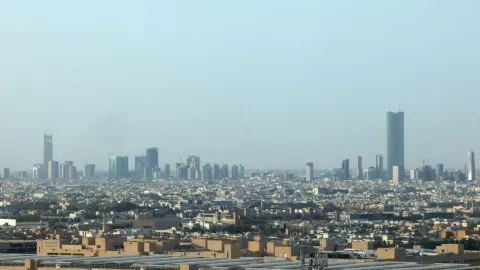
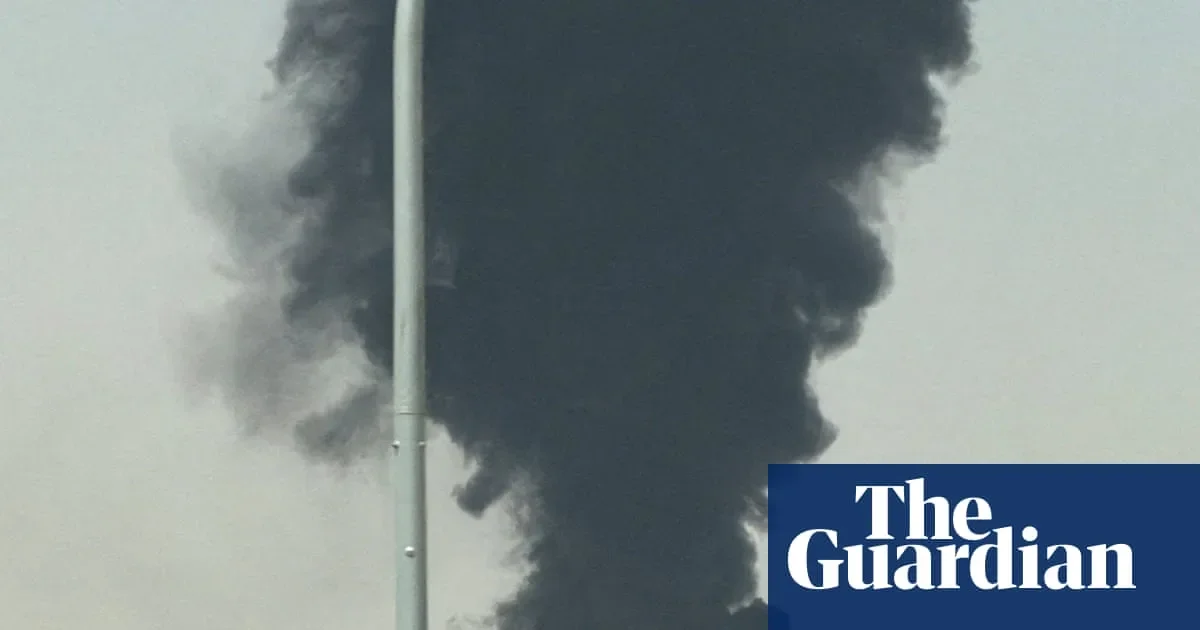
Geopolitical tensions in the Middle East reached a boiling point this Saturday as massive plumes of black smoke were seen rising from the vicinity of King Khalid International Airport in Riyadh. Following overnight air-raid alerts sent to citizens' mobile phones, explosions rocked the Saudi capital, targeting a fuel storage tank emblazoned with the Aramco logo. While Saudi authorities are still assessing the full scale of the damage, the visual evidence of fire near a primary international gateway has immediately rattled energy traders. This escalation comes as Yemen’s Houthi-aligned Ministry of Foreign Affairs called for international action against what they termed Saudi "crimes," signaling a potential intensification of the long-standing regional conflict.
For the Iranian market, this instability translated into immediate currency volatility. The US Dollar in Tehran’s open market moved from 228,600 to 231,500 Toman, a 1.3% increase within 24 hours. Historically, any threat to Saudi energy infrastructure creates a dual-pressure system on the Toman: it raises global oil prices but also heightens the risk of regional spillover, driving local investors toward the safety of hard currency and gold. The Emami coin reflected this anxiety, jumping 2.4% to reach 237,500,000 Toman as the public hedges against a possible wider confrontation.
Trump’s Media Purge: CNN and MS Now Barred from White House
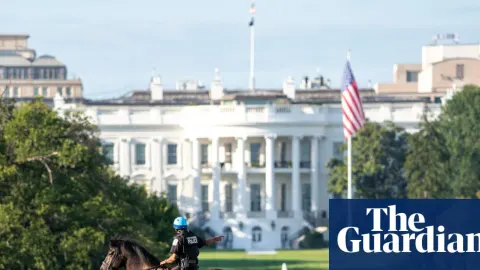
In a dramatic escalation of his administration’s war on the press, President Donald Trump has followed through on threats to ban specific news outlets from the executive branch. On Saturday morning, reporters from CNN, MS Now, and Politico were physically denied entry to the White House grounds. Reports indicate that the US Secret Service confiscated the press passes of veteran journalists, including CNN’s Betsy Klein, at the security gates. This move marks a significant departure from traditional democratic norms and suggests a new phase of information control within the US government, as the President explicitly stated he had grown "sick" of their coverage.
This domestic political friction in the United States adds another layer of uncertainty to global markets. While the S&P 500 has seen strong performance from dividend-growing stocks—with 15 major companies significantly outperforming the broader index—the institutional instability caused by a direct confrontation with the fourth estate can dampen international investor confidence in the long term. For Iranian observers, US political volatility is often viewed through the lens of sanctions enforcement; a more isolationist or aggressive White House press policy is frequently a precursor to unpredictable shifts in foreign policy that directly impact the Iranian economy.
The Cost of Living Crisis: From Cars to Climate Failure
While regional wars and US politics dominate the headlines, the internal economic pressure on Iranian citizens continues to mount. New reports highlight the "mafia-like" state of the domestic car market, where vehicles have become increasingly unaffordable for the average household. This crisis is a microcosm of the broader cost-of-living struggle in Iran, where even as the Toman devalues, the price of essential goods and manufactured assets like cars are rising at a pace that far outstrips wage growth. The 2.0% rise in 18k gold to 23,920,771 Toman per gram today further illustrates the erosion of purchasing power for those unable to keep up with the rapid pace of inflation.
On a global scale, the United Nations has issued its most dire warning yet, stating that the world must prepare for life beyond the 1.5°C warming threshold. The UN Environment Programme acknowledged that the Paris Agreement’s primary goal is now functionally out of reach, with warming expected to hit 1.8°C even if current commitments are met. For a country like Iran, which faces chronic water shortages and extreme heatwaves, this climate failure is not an abstract scientific concern but a looming existential threat to its agricultural sector and urban habitability. The intersection of economic mismanagement at home and environmental collapse abroad creates a challenging landscape for the Iranian public as they navigate the final months of 2026.

Frequently Asked Questions
Why did the US Secret Service seize press passes at the White House?
How did the Riyadh airport attack impact the Iranian Toman?
What does the UN report on the 1.5°C threshold mean for the future?
Geopolitical Risk in Energy Markets
The headline "Riyadh Airport Attack Spooks Energy Markets" highlights a critical concept: Geopolitical Risk in Energy Markets. This refers to the potential for political instability, conflicts, and tensions in key oil-producing or transit regions to disrupt the global supply and demand balance of energy resources, primarily crude oil. The Middle East, with its vast proven oil reserves and strategic shipping lanes, is particularly susceptible to such risks, making any incident there – like an attack on critical infrastructure – a significant concern for global markets.
When a geopolitical event occurs, even if it doesn't immediately impact physical oil production or transportation, it creates immense uncertainty. Traders and investors react to the perceived threat of future supply disruptions, leading to speculative buying and a surge in oil prices. This is driven by the fear that tensions could escalate, potentially limiting access to vital oil supplies. The market's response is often swift and dramatic, reflecting the critical role oil plays in the global economy.
The ripple effects of such geopolitical shocks extend far beyond the price of crude. Higher oil prices translate into increased costs for transportation, manufacturing, and consumer goods, potentially fueling inflation worldwide. For countries heavily reliant on oil imports, this can strain national budgets and weaken domestic currencies, as seen with the "Toman slips" mentioned in the headline, which could be exacerbated by regional instability and economic pressures. Conversely, oil-exporting nations might see a temporary boost in revenue, but sustained regional instability can deter investment and lead to long-term economic challenges. Understanding this interconnectedness is crucial for grasping global economic dynamics.