Toman Hits 231,000 as Riyadh Airport Strikes and $1.4 Trillion Global Debt Bubble Loom
عبور دلار از مرز ۲۳۱ هزار تومان در پی حملات موشکی به ریاض و هشدار بحران بدهی جهانی
The Iranian Toman has slipped to 231,200 per USD as diplomatic friction with Washington intensifies and regional security risks spike following Houthi strikes near Riyadh. Meanwhile, global markets face a $1.45 trillion margin debt warning that could trigger a systemic sell-off.
At time of publishing
USD
231,200
Toman
Gold 18K
23.87M
Toman / gram
Bitcoin
$81,836
US Dollar
Tether
229,710
Toman
Tehran Rebukes Washington as Toman Volatility Resumes
Esmaeil Baqaei, Iran's Foreign Ministry spokesperson, has issued a sharp reprimand to the White House press secretary, characterizing recent US accusations against the Islamic Republic as "baseless." Baqaei argued that such rhetoric is a transparent attempt to deflect from the United States' own international conduct and the "intensity of crimes" it facilitates. This escalation in diplomatic friction comes at a sensitive time for the Iranian economy, which is currently grappling with renewed inflationary pressures and a lack of clear progress on the sanctions front. For the Iranian reader, this political sparring is more than just words; it directly influences the "expectations" channel of the currency market. As diplomatic channels appear increasingly strained, the free market exchange rate has responded with immediate movement. The USD sell rate has climbed from 228,600 to 231,200 Toman, a 1.1% increase in just 24 hours. This reflects a growing caution among traders who view heightened rhetoric as a signal that sanctions relief or diplomatic de-escalation remains out of reach in the immediate future.

Smoke Over Riyadh: Regional Tensions and Energy Security
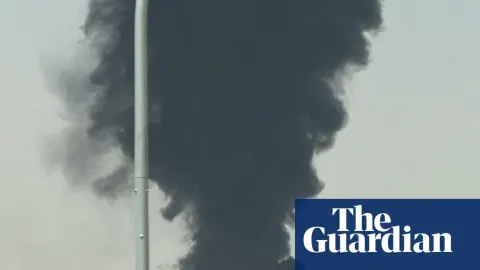
The regional security landscape shifted dramatically this afternoon following reports of black smoke and flames near Riyadh’s King Khalid International Airport. Houthi rebels have launched a barrage of missiles and drones targeting Saudi infrastructure, leading to significant flight cancellations and delays. This latest offensive, which has reportedly resulted in 48 casualties in recent fighting between Saudi-backed forces and rebels, marks a sharp escalation in the conflict and threatens to destabilize global energy transit routes once again. The immediate impact is visible in the flight of capital toward safe-haven assets within Iran. Gold and coins have seen even sharper gains than the dollar, with the Emami coin jumping 2.4% to reach 237,500,000 Toman. When regional airports or oil facilities are targeted, the market perceives a heightened risk of broader conflict, which historically drives the Toman lower. Investors are increasingly hedging against "geopolitical shocks" by moving out of cash and into hard assets like gold 18k, which rose 1.8% to 23,869,984 Toman per gram today.
The $1.45 Trillion Debt Trap: A Global Margin Call Looming?
Beyond the Middle East, the global financial system is flashing a massive warning sign. Recent data indicates that investors have borrowed a staggering $1.45 trillion to purchase stocks, pushing margin debt to levels that have historically preceded major market corrections. This "leverage bubble" means that even a minor downturn in the S&P 500 could trigger an avalanche of margin calls, forcing investors to sell assets rapidly to cover their loans, potentially leading to a systemic downward spiral across all asset classes. For those holding crypto or global equities, this is a critical moment. Bitcoin is currently holding at $81,836, but its recent 24.6% rally was driven almost entirely by short liquidations rather than new spot demand. If the traditional stock market faces a margin-call-driven correction, high-risk assets like BTC and ETH (currently at $2,648.48) are often the first to be sold for liquidity. A global "risk-off" event would likely strengthen the US Dollar Index (DXY), which would exert further downward pressure on the Toman and other emerging market currencies as investors flee to the perceived safety of the greenback.
Britain "On the Slide": Sir Jim Ratcliffe’s Warning
In a controversial interview, Manchester United co-owner Sir Jim Ratcliffe has declared that the United Kingdom is "on the slide," moving away from its historical status as a global leader. Ratcliffe blamed high taxes and immigration policies for what he described as the country's decline from the days of the "greatest empire in the world." His comments have sparked an immediate backlash, particularly from the Manchester United Muslim Supporters’ Club, who have called for his resignation, citing his remarks as unacceptable and divisive. While this may seem like a domestic UK issue, it underscores the political fragmentation occurring in major Western economies. As Britain struggles with its post-Brexit identity and economic stagnation, its ability to act as a stabilizing force in global geopolitics weakens. For Iranian observers, the internal friction in the UK and the ongoing media restrictions in the US represent a shift toward protectionism and internal instability in the West. This climate of uncertainty makes it harder for international trade to remain predictable, often leading to higher volatility in global commodity prices and currency markets.
Frequently Asked Questions
چرا قیمت دلار و سکه امروز در بازار تهران جهش کرد؟
بدهی ۱.۴۵ تریلیون دلاری در بازارهای جهانی چه خطری برای ایران دارد؟
آیا رشد اخیر بیتکوین به بالای ۸۱ هزار دلار پایدار است؟
Understanding Currency Depreciation and its Drivers
When a news headline declares that a national currency, like the Iranian Toman, "hits 231,000" against the US Dollar, it signifies a significant economic event known as currency depreciation. This phenomenon occurs when the value of one currency falls relative to another, meaning it takes more units of the depreciating currency to buy a single unit of the foreign currency. For instance, if the Toman previously traded at 100,000 per dollar and now trades at 231,000, it has lost considerable purchasing power on the international market, making everything denominated in foreign currency more expensive.
Several factors can drive currency depreciation. High inflation within a country is a primary culprit; if domestic prices are rising rapidly, the currency's internal purchasing power erodes, making it less attractive internationally. Geopolitical instability, such as the "Riyadh Airport Strikes" mentioned in the headline, can also trigger depreciation by scaring away foreign investment and increasing perceived risk. Furthermore, a large national debt or a "global debt bubble" can undermine confidence in a country's economic stability, leading investors to sell off assets denominated in that currency, accelerating its decline.
The consequences of a rapidly depreciating currency are far-reaching. For ordinary citizens, it means that imported goods, from essential medicines to technology, become much more expensive. Their savings, if held in the local currency, lose value, and their overall purchasing power diminishes. Businesses face higher costs for imported raw materials, potentially leading to increased domestic prices, further fueling inflation. While depreciation can make a country's exports cheaper and more competitive, the negative impacts on domestic stability and living standards often outweigh this benefit, especially when the depreciation is sharp and uncontrolled.