Iran Claims Downed US Spy Drone Over Hormuz as Trump’s 50% Canada Tariffs Rattle Global Trade
سرنگونی پهپاد جاسوسی آمریکا در تنگه هرمز و شوک تعرفه ۵۰ درصدی ترامپ به لبنیات کانادا
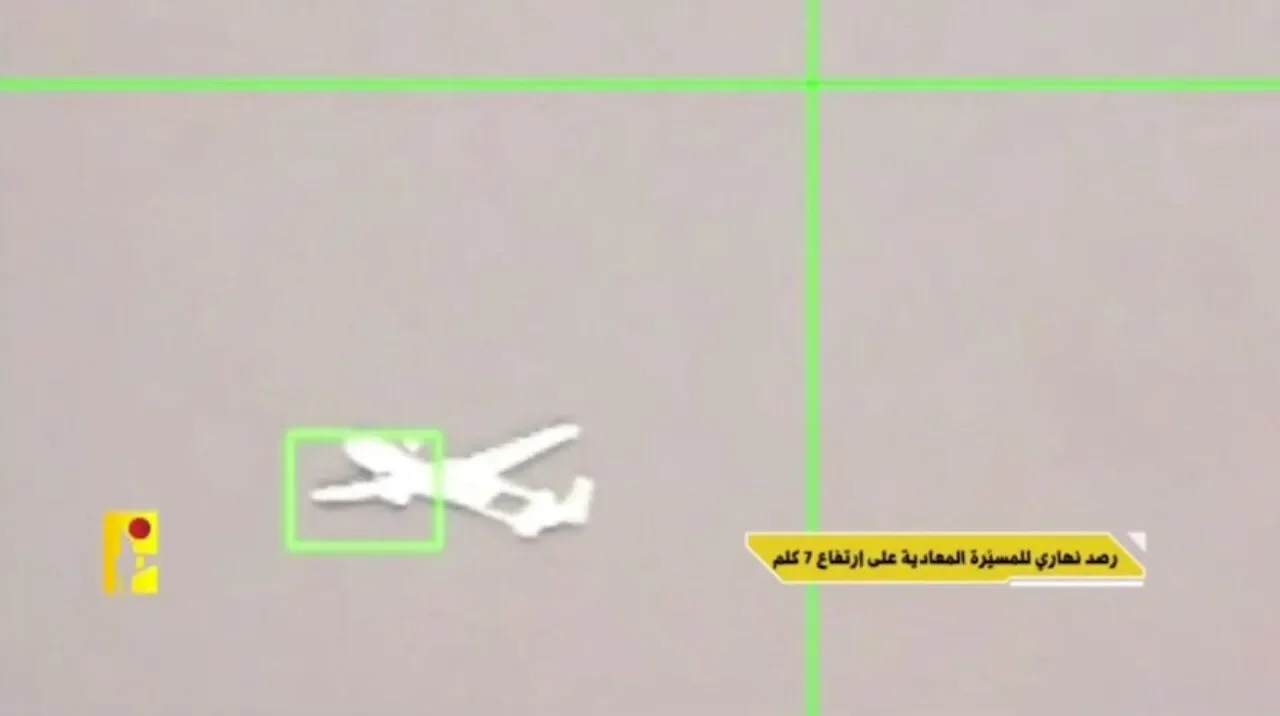
The Iranian Army reports the interception of an advanced US Orbiter drone over the Strait of Hormuz, heightening regional military tensions. Simultaneously, Donald Trump's new 50% tariffs on Canadian dairy exports have sent shockwaves through North American trade markets.
At time of publishing
USD
230,800
Toman
Gold 18K
24.01M
Toman / gram
Bitcoin
$81,261
US Dollar
Tether
229,126
Toman
Military Tensions Peak Over the Strait of Hormuz
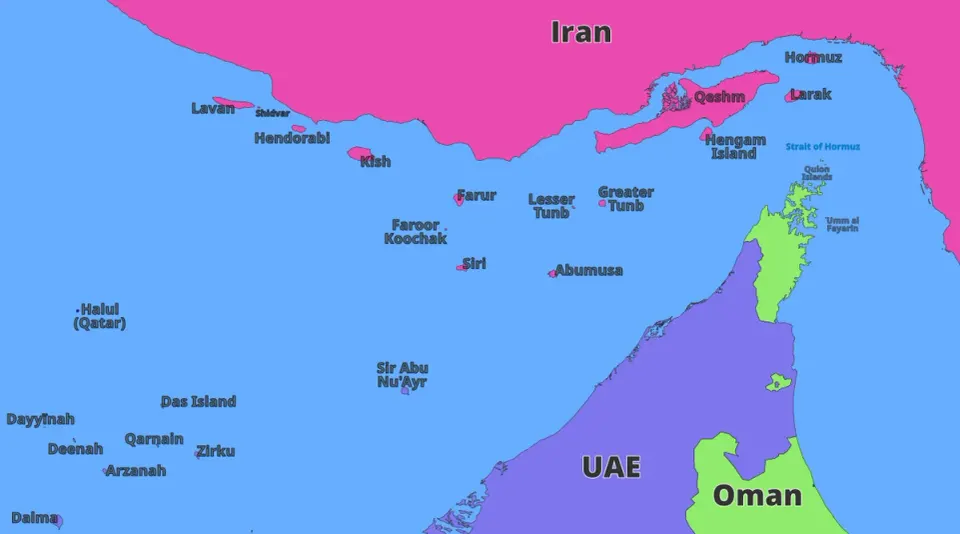
In a move that has significantly escalated the shadow war in the Persian Gulf, the Iranian Army announced on Sunday night that it successfully intercepted and brought down an advanced American Orbiter reconnaissance drone. According to reports from state-affiliated media outlet IRNA, the incident occurred within the strategic airspace of the Strait of Hormuz, a critical chokepoint for global oil transit. While the United States military has yet to issue a formal confirmation of the loss, the Iranian side is framing this as a definitive warning against perceived violations of its territorial sovereignty. This event marks another chapter in the long-standing friction between Tehran and Washington, occurring at a time when regional stability is already fragile due to ongoing proxy conflicts.
The downing of an Orbiter drone—a highly sophisticated unmanned aerial vehicle used for intelligence and surveillance—suggests that Iranian electronic warfare or air defense capabilities are being actively deployed to counter Western presence in the gulf. For the average observer in Tehran, such military posturing often translates into immediate economic anxiety. Historically, kinetic incidents in the Strait of Hormuz lead to a spike in 'war risk' premiums for shipping, which can indirectly pressure the Iranian Toman as speculators anticipate further sanctions or military retaliation. Despite the gravity of the claim, the domestic currency market remained relatively flat this evening, with the USD selling at 230,800 Toman, showing that traders are currently waiting for a more concrete US response before moving the needle.
Trump’s Trade War Hits Canada’s Dairy Heartland
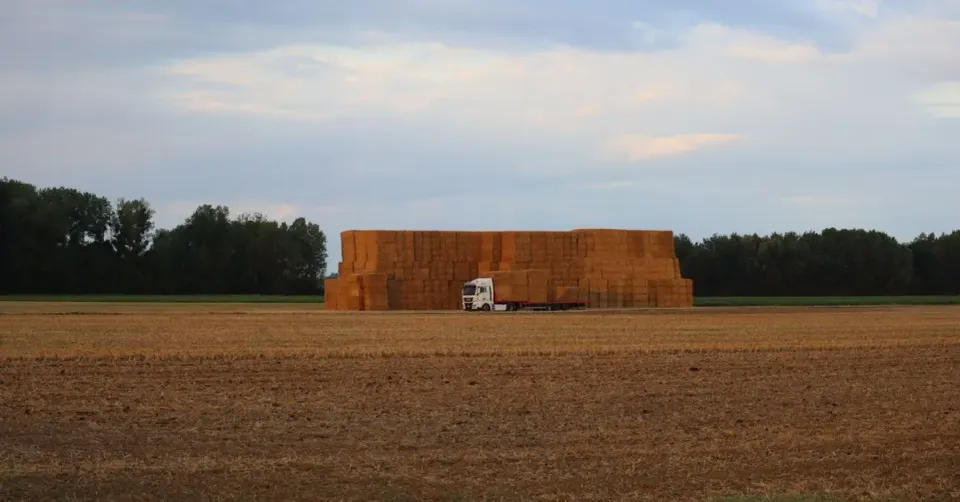
North American trade relations have hit a new low as President Donald Trump’s administration implemented a staggering 50 percent tariff on Canadian dairy exports. The move has effectively paralyzed sales for Canadian farmers, leaving them with massive surpluses of milk and cheese that cannot be redirected to other markets overnight. Trump’s 'America First' protectionism is targeting what he describes as unfair subsidies in the Canadian dairy system, but the immediate result is a supply chain crisis. Canadian farmers are reporting that US sales have stalled completely, creating a glut that threatens the viability of family-owned operations across Ontario and Quebec. This policy shift is not just a local agricultural issue; it signals a broader return to aggressive trade volatility that defines the current US administration's approach to its closest allies.
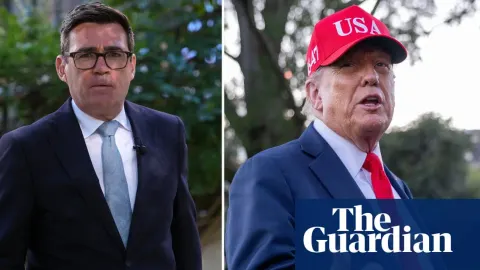
This trade friction is causing ripple effects in global commodity markets. As Canadian producers lose their primary buyer, the resulting price fluctuations are being watched closely by inflation-wary investors. While French President Emmanuel Macron and Canadian Prime Minister Mark Carney met recently to strengthen bilateral ties as a counterweight to US isolationism, the economic reality remains that Canada’s proximity to the US makes it highly vulnerable to such executive actions. For global markets, this is a reminder that geopolitical risk is not confined to the Middle East; the 'tariff weapon' is once again a central pillar of US economic policy, potentially driving up costs for consumers and complicating international trade agreements for years to come.
Market Analysis: Gold and Crypto Resilience
Despite the geopolitical noise, the Iranian gold market showed modest gains over the last 24 hours. Gold 18k per gram moved from 23,950,782 to 24,008,495 Toman, a slight increase of 0.2%. More notably, the Emami coin rose from 237,500,000 to 239,000,000 Toman, marking a 0.6% gain. This upward movement in gold coins suggests that domestic investors are still seeking 'hard' assets to hedge against potential instability stemming from the drone incident and the general regional climate. Meanwhile, the global gold ounce price stands at a staggering $4,379.00, reflecting a worldwide flight to safety as traditional currencies face inflationary pressures.
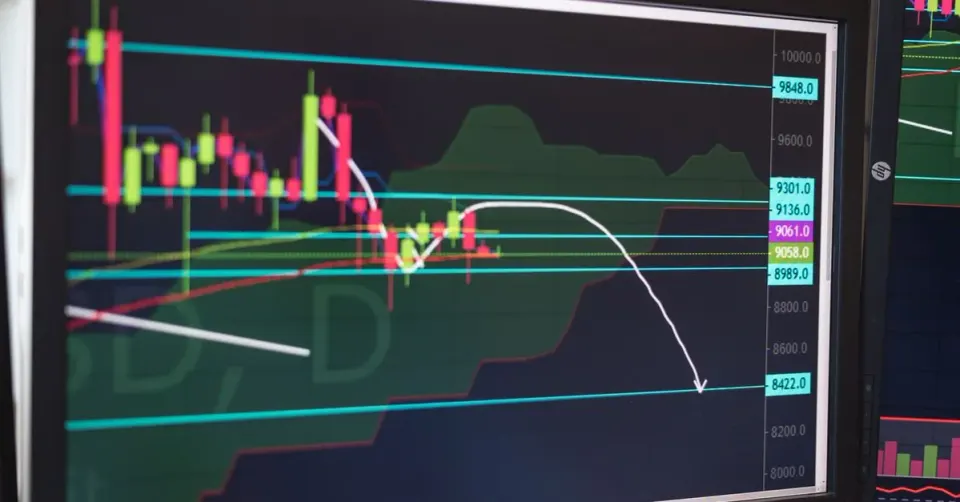
In the digital asset space, Bitcoin continues to hold its ground above the $80,000 threshold, currently trading at $81,261. The crypto market appears to be decoupling slightly from immediate geopolitical shocks, focusing instead on institutional adoption and the failure of recent legislative attempts to tighten stablecoin rules. However, the sector is not without its own drama; reports of a $10 million fraud attempt on Polymarket and new California laws targeting influencers who fail to disclose political ads show that the 'Wild West' era of crypto is facing increased regulatory and criminal scrutiny. For Iranian users, the Tether (USDT) price of 229,126 Toman remains the primary gateway for capital flight, serving as a digital alternative to the physical dollar in times of heightened tension.
Frequently Asked Questions
What is the significance of the Orbiter drone being downed?
How will Trump's 50% tariffs on Canada affect the global economy?
Why is the price of gold rising in Iran despite the dollar staying flat?
Understanding Geopolitical Risk
Geopolitical risk refers to the possibility of political instability, conflicts, or other international tensions impacting global economic and financial systems. It encompasses a broad spectrum of events, from regional conflicts and trade wars to diplomatic disputes and significant policy shifts by major powers. These risks are inherently complex, often unpredictable, and can rapidly shift the landscape for businesses, investors, and policymakers worldwide.
Such risks manifest in various forms. A direct military confrontation, like the drone incident over the Strait of Hormuz mentioned in the headline, immediately escalates tensions in a critical global shipping lane for oil, threatening energy supplies and raising insurance costs. Similarly, protectionist trade policies, such as the tariffs imposed by the US on Canadian dairy products, represent an economic form of geopolitical risk. These actions can disrupt supply chains, increase production costs, and lead to retaliatory measures, ultimately harming international trade and economic growth.
The economic consequences of geopolitical risk are far-reaching. In financial markets, periods of heightened geopolitical uncertainty often lead investors to seek safe-haven assets like gold, driving up its price. Conversely, currencies of countries perceived as vulnerable to these tensions, such as the Iranian Rial (IRR) in times of regional instability, may experience significant depreciation against stable currencies like the US Dollar (USD). Global stock markets can become volatile, and foreign direct investment may decline as businesses shy away from regions perceived as unstable.
Understanding geopolitical risk is crucial for navigating the complexities of the modern world. It helps individuals, businesses, and governments anticipate potential disruptions, assess their impact on various sectors—from energy and trade to technology and finance—and formulate strategies to mitigate adverse effects. By recognizing the interconnectedness of political events and economic outcomes, one can better interpret global headlines and their potential implications for markets and daily life.