Iran Claims US Bombing Plot; Hormuz Crisis Fuels Coal Demand
ایران مدعی توطئه بمباران آمریکا شد؛ بحران هرمز تقاضای زغالسنگ را افزایش میدهد
Tensions escalate as Iran alleges a US bombing campaign is imminent, while the Strait of Hormuz crisis is projected to drive global coal demand to record highs. Meanwhile, Iran's Foreign Minister departs for UN assembly amid heightened regional volatility.
At time of publishing
USD
230,900
Toman
Gold 18K
24.01M
Toman / gram
Bitcoin
$81,070
US Dollar
Tether
230,828.883
Toman
Iran Claims US Bombing Campaign Plot Amidst Heightened Tensions
Iran has claimed to have received intelligence indicating the United States is preparing for a renewed bombing campaign against the Islamic Republic. This assertion, reported by Iranian state media, significantly escalates already strained relations and raises fears of wider conflict in the Middle East. The intelligence comes amidst a backdrop of increased rhetoric from US President Donald Trump, who has reportedly considered 'wiping Iran out' following recent attacks on Riyadh by Houthi rebels. The US State Department has also issued a new security alert to all its citizens in the Middle East, signaling a heightened state of alert and potential for further instability.
This alleged US plot, if true, would represent a dramatic escalation and could have severe geopolitical repercussions. It also comes as Iranian Foreign Minister Abbas Araghchi departs Tehran for New York to attend the 81st session of the United Nations General Assembly. His presence at the UN could provide a platform for diplomatic engagement, but the charged atmosphere suggests negotiations will be fraught with difficulty. The situation is further complicated by President Trump's abrupt departure from Camp David, adding an element of unpredictability to US foreign policy actions in the region. The direct and indirect effects on Iran's economy, including currency expectations, sanctions, and trade, are profound, potentially leading to increased volatility in the Toman and gold markets.
---
Hormuz Crisis Drives Global Coal Demand to Record Highs
The ongoing crisis in the Strait of Hormuz is poised to push global coal demand to unprecedented levels, according to the International Energy Agency (IEA). As oil and gas trade routes face significant constraints due to the closure of this vital waterway, several nations are reportedly reverting to coal to bridge the energy gap. This shift is occurring even as countries continue to expand their renewable energy capacity, highlighting the immediate pressure on energy supplies and the persistent reliance on fossil fuels in the short to medium term.
The IEA's mid-year update forecasts an increase in coal consumption in specific regions, largely driven by elevated natural gas prices in 2026. The persistent conflict in the Middle East, coupled with the ongoing trade restrictions, is creating a ripple effect across global energy markets. For Iranian readers, this development is critical. The increased demand for coal suggests continued upward pressure on global energy prices, which can indirectly influence oil prices and, consequently, the Toman's exchange rate. It also amplifies the risk premium in regional markets, potentially boosting the appeal of gold as a safe-haven asset amidst such geopolitical uncertainty and economic strain.
---
Andy Burnham Faces Unpredictable Trump Amidst Economic Headwinds
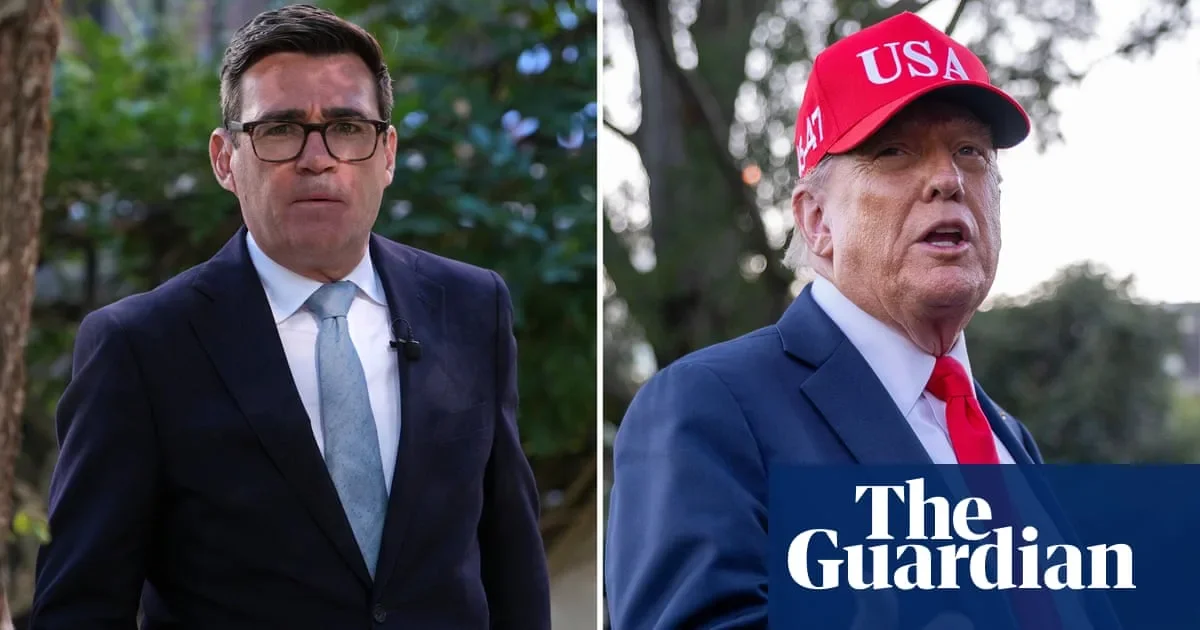
British Prime Minister Andy Burnham is set to meet with US President Donald Trump, facing a leader who, while domestically weakened by high inflation and the ongoing conflict in Iran, remains inherently unpredictable. Unlike his predecessor, Burnham aims for a firmer stance with Trump without triggering diplomatic warfare. However, the president's volatile nature presents a significant challenge, particularly as the Iran conflict continues to cast a shadow over the UK's economy.
Trump's current political standing, marked by domestic economic pressures and the protracted war in Iran, could theoretically make him more amenable to certain diplomatic overtures. Yet, his history suggests that such situations do not necessarily translate into predictable policy. For Iran, the dynamics of this bilateral relationship are crucial. A more stable or unpredictable US stance under Trump could directly or indirectly impact sanctions regimes, trade relations, and overall regional stability. This, in turn, influences currency expectations, the price of gold, and investor confidence within Iran, making the outcome of such high-level meetings a key factor to monitor.

---
Bitcoin Navigates Resistance Amidst Broader Market Uncertainty
Bitcoin continues to trade within a tight range, currently finding itself trapped between the $78,000 support level and the $82,000 resistance mark. This consolidation phase suggests a market pause, with investors awaiting clearer direction amidst a complex global economic and geopolitical landscape. While specific catalysts for a significant breakout remain elusive, the cryptocurrency's ability to hold above key support levels indicates underlying resilience, even as broader market sentiment remains cautious.
The broader crypto market is also experiencing a period of measured activity. Visa's move to close a loophole in meme coin credit card rewards points to increasing regulatory scrutiny and a tightening of financial avenues for speculative digital assets. Furthermore, reports of a significant fraud attempt at Polymarket, alongside news of a new California law penalizing influencers for undisclosed political advertising, underscore the evolving regulatory environment. For investors in Iran, these developments highlight the need for caution. While the Toman and gold markets face their own unique pressures, the global crypto space's regulatory shifts and attempted exploits serve as a reminder of the inherent risks and the importance of staying informed about international market trends.
Frequently Asked Questions
What is Iran's specific claim regarding US intentions?
How is the Strait of Hormuz crisis impacting global energy markets?
What is the current trading range for Bitcoin?
What is the significance of the Iranian Foreign Minister's trip to New York?
What recent regulatory actions are affecting the cryptocurrency market?
The Geopolitical Significance of the Strait of Hormuz
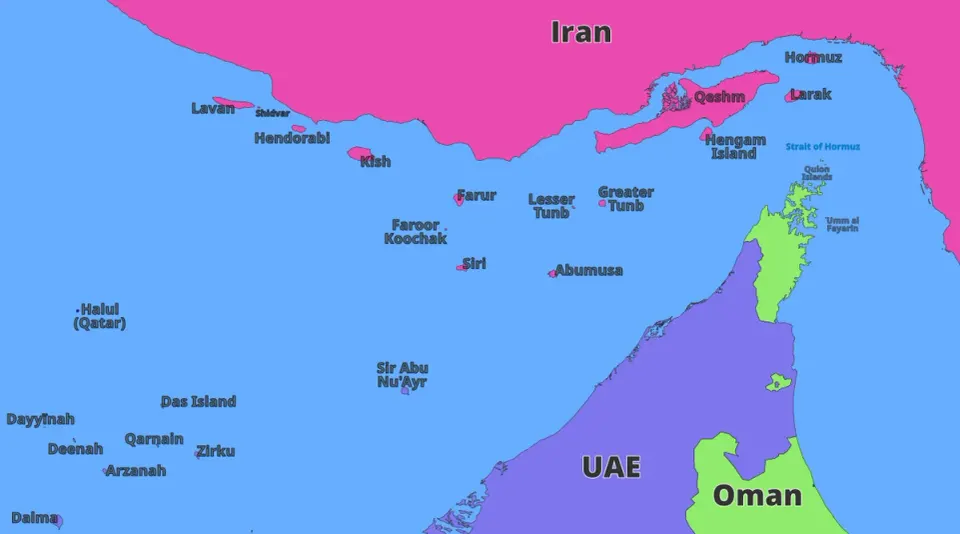
The Strait of Hormuz is a narrow, strategically vital waterway connecting the Persian Gulf to the Arabian Sea and the broader Indian Ocean. At its narrowest point, it is only about 21 nautical miles (39 km) wide, making it one of the world's most critical maritime chokepoints. Its shores are shared by Iran to the north and Oman's Musandam Governorate to the south.
This seemingly small stretch of water is an indispensable artery for global energy markets. A significant portion—estimated to be around 20-30%—of the world's total petroleum liquids consumption, including crude oil and refined products, passes through the Strait daily. This makes it the world's most important oil transit chokepoint. Additionally, it is a crucial route for liquefied natural gas (LNG) tankers from Qatar, one of the world's largest LNG exporters.
Due to this immense economic importance, the Strait of Hormuz is inherently a flashpoint for geopolitical tensions. Any disruption, whether from military conflict, sabotage, or political blockade, could have catastrophic consequences for global energy prices and the world economy. Nations reliant on these energy supplies, particularly major importers in Asia and Europe, closely monitor developments in the region, often leading to heightened energy security concerns and strategic responses, such as seeking alternative supply routes or diversifying energy sources.
The headline's mention of "Hormuz Crisis Fuels Coal Demand" illustrates this point perfectly. When the supply of oil and gas through the Strait is perceived to be at risk, global energy markets react swiftly. Fear of shortages drives up prices for crude oil and LNG. In response, some economies might turn to more readily available, albeit often more polluting, energy sources like coal to meet immediate demand and ensure energy security, even if temporarily. This highlights how geopolitical instability in a critical chokepoint can ripple through the entire global energy landscape, affecting economic policies and environmental goals.
Topics
Related Articles