From Montreal Silver to Yemen's Frontlines: Why Global Tensions are Pushing Toman Markets Higher
از نقره جهانی مونترال تا جبهههای یمن: چرا بازارهای داخلی دوباره گران شدند؟
As international sports and high-stakes legal battles dominate the headlines, the Iranian market is reacting to renewed regional instability. With gold and the dollar edging up, we analyze the impact of the Huawei trial, Houthi movements, and the psychological floor of Bitcoin at $81,000.
At time of publishing
USD
231,200
Toman
Gold 18K
24.11M
Toman / gram
Bitcoin
$81,099
US Dollar
Tether
229,134
Toman
The Weight of the Podium: From Montreal to Hangzhou
The world of professional sports often serves as a mirror to national pressures, and today was no exception. In Montreal, Britain’s Zoe Backstedt secured a hard-fought silver medal in the women's time trial at the UCI World Road Championships. At just 21, Backstedt’s performance behind Switzerland’s Marlen Reusser highlights the intense physical and psychological preparation required at the elite level. For international observers, this is a story of athletic excellence, but for many in the region, sports results carry a much heavier social weight.
This was vividly demonstrated in the Asian Games, where Iran’s basketball team secured a bronze medal amid emotional scenes. For these athletes, the podium is not just about a medal; it is a gateway to life-altering benefits, including exemptions from mandatory military conscription. The immense pressure described by the players as "out of this world" reflects the reality that for Iranian youth, athletic success is often the only escape from rigid state requirements. This contrast between purely professional achievement in the West and the high-stakes survival of regional athletes remains a poignant narrative in today's global sports landscape.

Huawei and the Criminal Enterprise Label: A Tech War Escalation
Geopolitical tech tensions reached a new peak this hour as U.S. prosecutors moved forward with a landmark trial labeling China’s Huawei a "criminal enterprise." The charges, which include theft of trade secrets, fraud, and systematic sanctions violations, represent a significant escalation in the Washington-Beijing rivalry. This is no longer just a trade dispute; it is a legal assault on one of China’s most prominent global ambassadors. For the United States, this move is about protecting intellectual property and national security, while Beijing views it as a politically motivated attempt to stifle Chinese innovation.
For the Iranian economy, this development is particularly concerning. Iran relies heavily on Chinese technology and infrastructure to maintain its telecommunications networks and bypass Western sanctions. If Huawei is successfully branded a criminal entity in U.S. courts, the pressure on third-party countries and private firms to sever ties with the company will intensify. This could lead to higher costs for technology imports in Iran and a potential degradation of digital infrastructure as the pool of available partners shrinks under the threat of secondary American sanctions.

Regional Instability and the Toman’s Defensive Stance
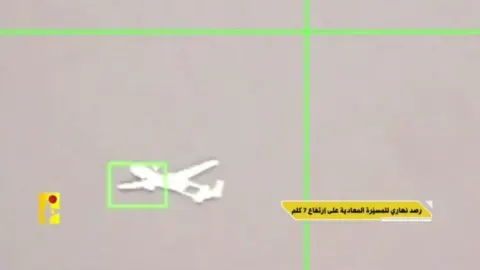
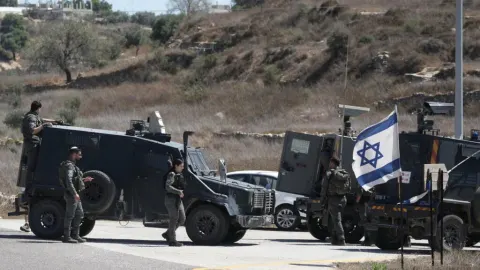
On the geopolitical front, the fragile peace in the Arabian Peninsula is showing signs of fracture. The Iran-backed Houthi militia has reportedly engaged in fierce battles to expand its territory, leading to a spike in tensions with Saudi-backed forces. This movement threatens to undo years of delicate diplomacy and reignite a full-scale conflict that could destabilize global oil routes. The market's reaction has been swift, with risk premiums being priced back into regional assets as investors fear a return to active hostilities in the Red Sea and beyond.
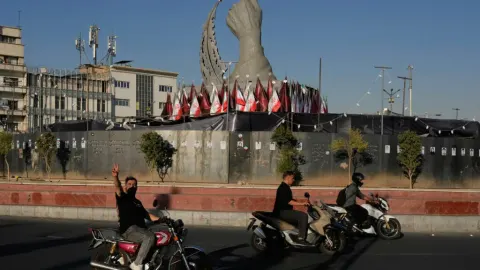
In Tehran, these developments have directly translated into upward pressure on safe-haven assets. The USD/IRR exchange rate moved from 230,700 to 231,200 (+0.2%), while the price of 18k gold rose from 23,950,782 to 24,112,378 Toman per gram (+0.7%). This 0.7% jump in gold prices reflects a growing domestic anxiety that regional conflict will fuel further inflation. As the Emami coin also climbed 0.6% to reach 239,000,000 Toman, it is clear that the Iranian public is once again seeking refuge in hard assets to protect their purchasing power against geopolitical volatility.
Bitcoin’s $81,000 Floor and the AI Gold Rush
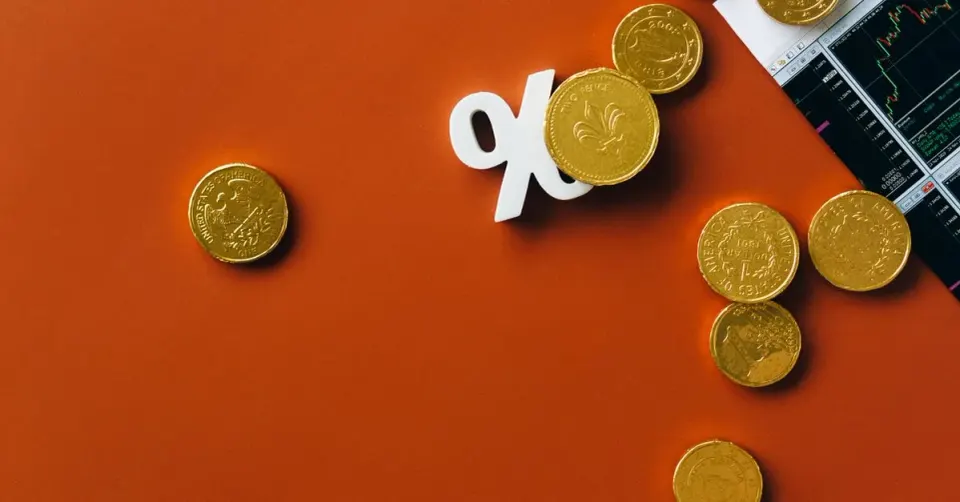
In the digital asset space, Bitcoin is showing remarkable resilience, holding steady at $81,099 despite a minor 1% slip earlier in the day. Institutional demand, fueled by consistent ETF inflows, has created a solid psychological floor at the $80,000 mark. While some retail investors remain cautious, the underlying infrastructure of the crypto market is maturing. Meanwhile, analysts are debating the future of the "AI Gold Rush," with Meta needing to reach a critical mass of 115 million users to ignite a projected $28 billion windfall. However, market experts warn that such growth is not guaranteed, highlighting the speculative nature of the current tech boom.
For Iranian crypto traders, Bitcoin’s stability above $80k serves as a vital hedge. With the Toman under pressure from regional news, the USDT/Toman rate remains a key indicator of local sentiment. As the global economy flirts with an AI-driven transformation, the intersection of high-tech speculation and traditional geopolitical risk continues to define the investment landscape. Whether it is through gold or digital currency, the search for stability remains the dominant theme for those navigating the current economic turbulence.
Frequently Asked Questions
Why did gold prices rise in Iran today?
What does the Huawei 'criminal enterprise' label mean for Iran?
Is Bitcoin still a safe investment at $81,000?
Understanding Currency Devaluation Amid Geopolitical Tensions
Currency devaluation refers to the deliberate or market-driven reduction in the value of a country's currency relative to other currencies. It's a critical economic phenomenon, often signaling underlying domestic or international pressures. When a currency devalues, it means that more units of that currency are required to purchase a single unit of a foreign currency, such as the US dollar. This dynamic is particularly evident in economies grappling with significant geopolitical instability and international sanctions, where external factors heavily influence a nation's economic health and its currency's standing.
In the context of nations like Iran, geopolitical tensions and international sanctions are primary drivers of currency devaluation. Conflicts, such as those in Yemen, and broader geopolitical rivalries (like those hinted at by the Huawei trial's implications for global trade and tech sanctions) can severely restrict a country's access to international markets, limit its ability to export goods (especially oil), and deter foreign investment. This reduction in foreign currency earnings means the central bank has fewer reserves to defend its national currency, making it vulnerable to speculative attacks and market panic. The resulting scarcity of foreign currency within the domestic market further pushes up its price against the local currency.
The consequences of currency devaluation are far-reaching for ordinary citizens. Imported goods, from essential medicines to raw materials for industries, become significantly more expensive, fueling domestic inflation. This erosion of purchasing power leads people to seek safe-haven assets to preserve their wealth, often flocking to foreign currencies like the US dollar, precious metals like gold, or even alternative digital assets such as Bitcoin. This increased demand for foreign currencies and hard assets creates a self-reinforcing cycle, putting further downward pressure on the national currency and exacerbating economic hardship. Understanding these interconnected forces is key to comprehending the volatility seen in markets like the Toman market.