Trump’s UN Arrival Shadowed by Yemen Escalation; Gold and Bitcoin Hold Gains in Tehran
سایه تنشهای یمن بر نشست سازمان ملل؛ تداوم پیشتازی طلا و بیتکوین در بازارهای جهانی
As President Trump prepares to address the UN, a sudden escalation in Yemen and a bizarre social media blitz have the world on edge. Meanwhile, Tehran's gold markets are surging as global prices hit record highs, and Bitcoin remains steady above the $85,000 mark.
At time of publishing
USD
229,800
Toman
Gold 18K
23.99M
Toman / gram
Bitcoin
$85,474
US Dollar
Tether
229,752
Toman
Geopolitical Storm Clouds Over the UN General Assembly
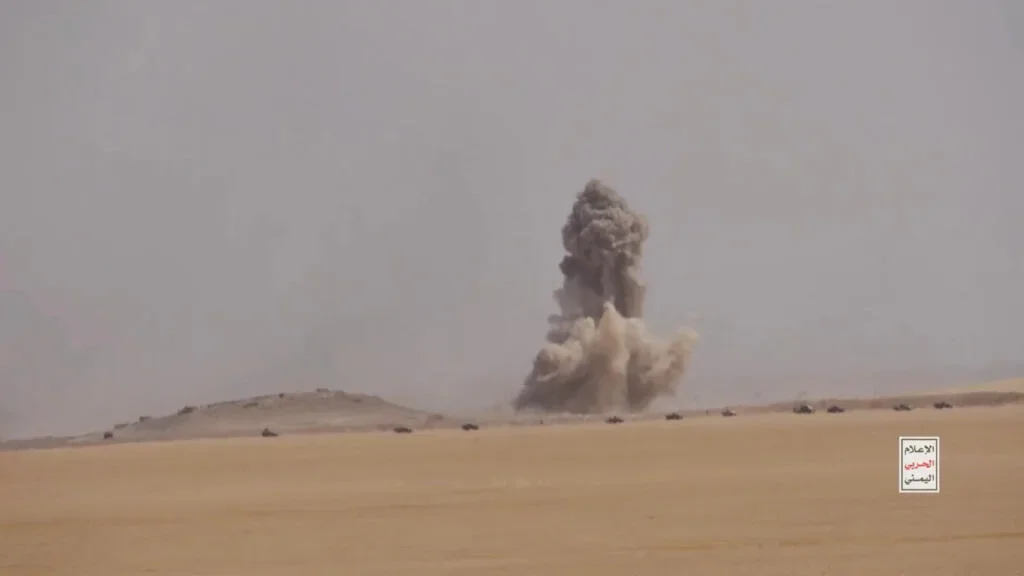
The 81st United Nations General Assembly has opened under a cloud of renewed violence in the Middle East. Just as President Donald Trump arrived in New York for his high-stakes address, Saudi air strikes on the Yemeni port of Mokha reportedly killed at least six people. These strikes, reported by Houthi-affiliated sources, mark a sharp escalation in the long-standing conflict where Iran-backed Houthi forces have been pressing a renewed offensive. The timing is critical; the international community is watching closely to see if the U.S. will pivot toward more direct military support for Saudi energy infrastructure, which remains vulnerable to drone and missile technology that continues to evolve despite years of sanctions.
While the bombs fall in Yemen, the diplomatic theater in New York is equally chaotic. President Trump has spent the hours leading up to his speech engaging in what observers call a "bizarre social media blitz," posting about everything from architectural landmarks to his administration's perceived achievements. This unpredictability creates a vacuum of leadership that other nations are rushing to fill. For Iran, Foreign Minister Abbas Araghchi has already touched down and initiated contact with the UN Secretary-General. Araghchi’s stated goal—to "defend the rights and interests of the Iranian people"—is a familiar refrain, but it rings with particular urgency as the specter of new regional escalations threatens to derail any hope of sanctions relief or diplomatic thawing.

Gold and Crypto: The Flight to Hard Assets
In the financial markets, the atmosphere is one of cautious hedging. In Tehran, the price of 18k gold has surged from 23,731,474 to 23,990,027 Toman per gram, a significant 1.1% increase in just 24 hours. This move is mirrored by the Emami coin, which rose 1.3% to reach 237,000,000 Toman. These domestic gains are driven by a historic rally in global gold prices, which currently sit at a staggering $4,319.60 per ounce. For the average Iranian investor, gold is moving beyond a simple luxury and returning to its role as the ultimate shield against global geopolitical volatility and the slow but steady creep of the US Dollar, which edged up 0.1% to 229,800 Toman.
Simultaneously, the digital asset market is showing remarkable resilience. Bitcoin has managed to hold its ground above the $85,000 threshold, currently trading at $85,474. While Bitcoin remains steady, the broader crypto market is seeing pockets of intense volatility; Dogecoin recently led a rebound with a 15% pump, fueled by a massive wave of short liquidations totaling over $844 million. This "forced buying" suggests that while the macro environment is tense, there is still significant liquidity and speculative appetite in the crypto space. For Iranians using Tether (USDT) as a dollar-proxy, the rate of 229,752 Toman provides a narrow but vital window into global liquidity markets.
---
Trade Wars and the New Global Realignment
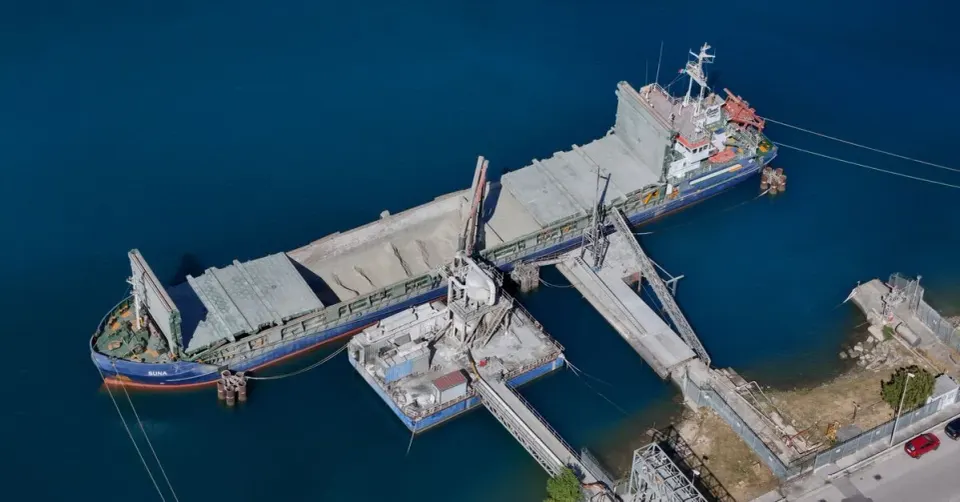
The Trump administration's foreign policy continues to be defined by a transactional approach that is rewriting decades-old alliances. The latest flashpoint is a trade war with Canada, which has prompted Trump to announce a "massive" fertilizer deal with Belarus—a key ally of Russia. By pivoting away from Canadian potash in favor of cheaper Belarusian imports, the U.S. is signaling that economic cost-cutting now takes precedence over traditional geopolitical alignments. This move has stunned markets, as Canada has long been the primary supplier for American agriculture. The shift toward Belarus, despite its pariah status in much of the West, illustrates a world where supply chain pragmatism outweighs ideological consistency.
This trend of aggressive trade policy is further cemented by the newly signed "Lindsey O. Graham Sanctioning Russia and Iran Act of 2026." This law doesn't just target the primary adversaries; it threatens secondary sanctions on major trade partners like India. India’s reliance on discounted Russian oil is now under direct threat, with the law authorizing tariffs of up to 100% on countries that facilitate certain Russian energy trades. For Iran, this law represents a tightening of the noose, as it extends existing prohibitions and makes it even riskier for third-party nations to engage in energy commerce with Tehran. The message from Washington is clear: you are either with the U.S. trade bloc, or you are an economic target.
The Accountability Crisis in Artificial Intelligence
Beyond the battlefields and trading floors, a landmark legal battle in Canada is setting a new precedent for the AI industry. The province of British Columbia has filed a lawsuit against OpenAI and its CEO, Sam Altman, following a mass shooting in Tumbler Ridge. The province alleges that the tragedy could have been prevented if OpenAI had implemented better monitoring systems and warned law enforcement about the shooter’s use of ChatGPT to plan the attack. This case moves the conversation from "AI ethics" to "legal liability," raising the question of whether tech companies have a "duty to warn" similar to that of mental health professionals.
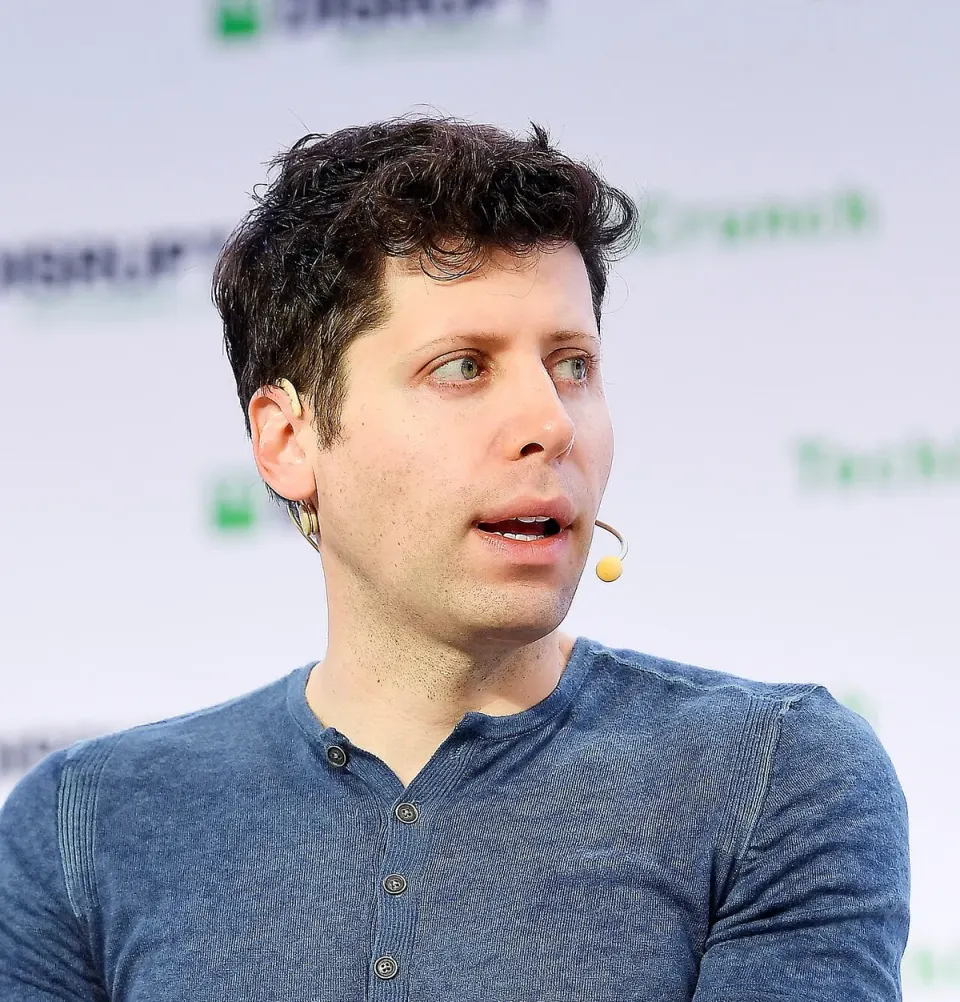
As this legal drama unfolds, the United Nations is struggling to remain relevant in the AI governance space. A recent report suggests that the AI race is increasingly a two-player game between the U.S. and China, with the UN and the rest of the world relegated to the sidelines. While the UN General Assembly discusses grand themes of AI for humanity, the actual development and control of the technology are being consolidated in Silicon Valley and Beijing. This power imbalance means that the rules governing the most transformative technology of the century are being written by corporations and rival superpowers, rather than through international consensus, leaving smaller nations and the global public with little say in their own digital future.
Frequently Asked Questions
چرا قیمت طلا در تهران با وجود ثبات نسبی دلار جهش کرد؟
قانون لیندزی گراهام ۲۰۲۶ چه تاثیری بر اقتصاد ایران دارد؟
دلیل نوسانات شدید دوجکوین در بازار امروز چیست؟
Understanding Economic Sanctions: How They Shape Global Finance
Economic sanctions are coercive tools used by governments or international bodies to influence the behavior of a target country, entity, or individual without resorting to military force. They can take many forms, including trade embargoes, asset freezes, travel bans, and restrictions on financial transactions. When a sanction is imposed, it often cuts the target off from the global banking system, forcing them to seek alternative stores of value such as gold or cryptocurrencies, which explains why we see spikes in gold prices in Tehran and Bitcoin’s surge to record highs.
The legal basis for many sanctions comes from United Nations Security Council resolutions, but unilateral sanctions—like the United States’ “Lindsey Graham Sanctions Act” targeting entities that facilitate Iran’s nuclear program—are also common. These unilateral measures can have “secondary” effects, meaning that even non‑U.S. banks and companies may be barred from dealing with the sanctioned party for fear of losing access to the U.S. financial system. This ripple effect can amplify the economic pressure on the target and reshape trade routes, as seen in the recent Belarus‑fertilizer deal that skirted Western restrictions.
Sanctions impact markets in several ways. First, they create uncertainty, prompting investors to move capital into perceived safe‑havens like gold, which is why Tehran’s gold market often reacts sharply to new sanctions announcements. Second, the difficulty of moving funds through traditional channels can boost demand for decentralized assets such as Bitcoin, whose price can surge when people look for a borderless store of value. However, sanctions can also trigger counter‑measures, such as the target country developing its own payment systems or seeking new partners, which can further complicate the global financial landscape.
Understanding sanctions helps explain the interconnectedness of geopolitics and finance. When a high‑profile event like a U.S. president’s UN speech coincides with an escalation in a conflict—such as the Yemen war—sanctions often become a focal point of diplomatic negotiations, influencing everything from commodity prices to the legal battles seen in the OpenAI lawsuit in Canada. By grasping how sanctions work, readers can better interpret why certain assets rise or fall and anticipate the broader economic fallout of political decisions.