IRGC Threatens to 'Change War Geography' as US Targets Iranian Airlines; USD and Gold Surge in Tehran
هشدار سپاه به تغییر جغرافیای جنگ؛ تهدید آمریکا به زمینگیر کردن هواپیماهای ایرانی و جهش قیمت دلار
Tensions reach a breaking point as the IRGC responds to Trump's 'wipe out' threats, while the US Treasury prepares to ground Iranian airlines globally. In Tehran, the dollar has jumped 1.5% to 233,100 Toman as markets price in the escalating geopolitical risk.
At time of publishing
USD
233,100
Toman
Gold 18K
23.94M
Toman / gram
Bitcoin
$85,289
US Dollar
Tether
229,970
Toman
The 'Geography of War' and the Trump Escalation
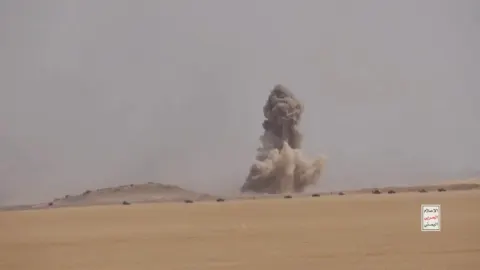
The geopolitical landscape in the Middle East has shifted into a high-stakes rhetorical battle as the Islamic Revolutionary Guard Corps (IRGC) issued a stern warning to Washington. This escalation follows an interview where Donald Trump, speaking to Fox News, suggested options for dealing with Tehran ranging from a new deal to 'wiping Iran out' or letting the country 'rot economically.' The IRGC’s response—that it will 'change the geography of the war' if the US escalates—suggests a strategy that could expand the conflict beyond traditional borders, potentially targeting regional infrastructure or maritime routes that are vital to global trade.
This verbal sparring comes at a critical moment as world leaders gather for the United Nations General Assembly. For Iranian observers, the threat of 'changing the geography' is often interpreted as a signal toward proxy involvement or asymmetric maritime operations in the Persian Gulf. The immediate impact of this rhetoric was felt in the Tehran currency markets, where the US dollar rose from 229,600 to 233,100 Toman, a 1.5% increase in just 24 hours. The market is clearly pricing in the risk of a direct confrontation, reflecting a deep-seated anxiety among traders that the diplomatic window is closing rapidly.

US Treasury’s 'Total Grounding' Strategy
Compounding the military threats, US Treasury Secretary Scott Bessent has unveiled a devastating new economic tactic: the global grounding of all Iranian airlines. In a direct warning issued via CNBC, Bessent stated that starting tomorrow, any airport providing fuel, landing services, or ticket sales to Iranian carriers will be 'knocked out of the dollar system.' This move is designed to effectively turn Iranian commercial aviation into a pariah fleet, unable to operate internationally without exposing host countries to severe secondary sanctions. By targeting the ability to refuel, the US is moving beyond simple asset freezes toward a physical blockade of Iranian air travel.
This policy, if fully enforced, would represent one of the most aggressive uses of the US dollar’s hegemony in recent years. It forces every international hub—from Dubai to Istanbul—to make a binary choice: maintain relations with Tehran or maintain access to the global financial system. For the Iranian economy, this means further isolation and a potential collapse in what remains of its international logistics and tourism sectors. The news of this impending 'shut-down' has already contributed to the 1.3% rise in the Emami gold coin, which moved from 234,000,000 to 237,000,000 Toman as investors flee to hard assets in anticipation of more sanctions.
Markets Brace for Impact: Gold, Bitcoin, and UK Jitters
While the Middle East remains the primary driver of local volatility, global markets are also showing signs of fatigue and overextension. Bitcoin recently surged past the $85,000 mark, reaching as high as $85,289, driven largely by institutional buying and corporate treasury additions. However, analysts are now warning that the premier cryptocurrency is in 'overbought' territory, suggesting a high risk of a mean-reversion correction. For Iranian crypto holders, the high price of Bitcoin combined with a rising Tether (USDT) at 229,970 Toman has created a double-edged sword of high valuation and extreme entry risk.
Simultaneously, the global economy is facing renewed pressure from the UK, where government borrowing hit a higher-than-expected £18.3 billion in August. This surge in debt, driven by persistent inflation and high interest rates, is putting immense pressure on the British Chancellor ahead of the upcoming budget. The jittery bond markets in London are a reminder that even outside the conflict zone, the global financial system is struggling with the costs of long-term instability. In Tehran, the cumulative effect of these global and local pressures has pushed 18k gold up by 0.9% to 23,939,240 Toman per gram, as the public seeks any available hedge against the twin threats of war and currency devaluation.
Frequently Asked Questions
What does 'changing the geography of war' mean?
How can the US ground Iranian planes worldwide?
Is Bitcoin still a safe investment at $85,000?
Understanding Economic Sanctions and Their Impact on Currency and Gold
Economic sanctions are punitive measures imposed by one or more countries against a targeted country, entity, or individual to achieve specific foreign policy or national security objectives. These measures can take various forms, including trade embargoes, restrictions on financial transactions, asset freezes, and travel bans. The goal is often to compel a change in behavior by inflicting economic pain, limiting access to international markets, and disrupting the target's financial stability.
When economic sanctions are imposed, they significantly restrict the targeted country's ability to engage in global trade and access the international financial system. This leads to a multitude of economic challenges: reduced export revenues, difficulty in importing essential goods (including raw materials and technology), and a sharp decline in foreign investment. The overall economic activity within the sanctioned country slows down, businesses struggle, and the government's capacity to manage its economy and provide public services is severely hampered.
A particularly visible impact of sanctions is on a country's currency and the price of gold. With limited access to foreign currency (especially the U.S. dollar, which is central to international trade), the supply of foreign exchange dwindles. This scarcity, combined with a loss of confidence in the local currency due to economic instability and inflation fears, drives up the demand for stable foreign currencies and safe-haven assets like gold. Consequently, the local currency depreciates sharply against major foreign currencies, and the price of gold, often internationally benchmarked in U.S. dollars, surges in local currency terms as individuals and businesses seek to protect their savings from erosion and uncertainty.
Geopolitical tensions, such as threats of "changing war geography" as mentioned in the headline, further amplify these economic effects. Such rhetoric increases the perception of risk and instability, leading to an even more pronounced flight to perceived safer assets. This heightened uncertainty accelerates the demand for foreign currency and gold, causing their prices to surge in local markets, as observed in Tehran.