Shadow Wars in Europe and G7 Pressure on Tehran: Markets Brace for UNGA Tumult
سایه جنگ در اروپا و فشار گروه ۷ بر تهران؛ بازار طلا در تب و تاب مجمع عمومی
As global leaders descend on New York, intelligence warnings of Russian sabotage in Europe and a G7 ultimatum to Iran over Houthi support are rattling markets. Meanwhile, gold prices in Tehran are pushing higher, fueled by a record-breaking global rally.
At time of publishing
USD
229,800
Toman
Gold 18K
23.92M
Toman / gram
Bitcoin
$85,443
US Dollar
Tether
229,480
Toman
Market Open — Gold Leads the Charge as Dollar Holds Steady
Tuesday morning in Tehran opens with a cautious but upward lean in the precious metals sector. The US Dollar is trading at 229,800 Toman, showing a marginal 0.1% increase from yesterday's close of 229,600. While the currency market remains relatively stable, the real action is in gold. The 18k gold gram has climbed 0.8% to reach 23,916,154 Toman, driven primarily by a powerful surge in the global gold ounce, which is currently sitting at a staggering $4,321.90.
This domestic rally is mirrored in the coin market, where the Emami coin rose by 0.9% to hit 236,000,000 Toman. Investors are clearly pivoting toward safe-haven assets as geopolitical uncertainty spikes ahead of the UN General Assembly (UNGA). Bitcoin remains strong at $85,443, providing a digital alternative for those wary of traditional fiat volatility, though the immediate focus for local traders remains the interplay between the global gold rally and the upcoming diplomatic maneuvers in New York.
Russia’s 'Shadow War' and the NATO Stress Test
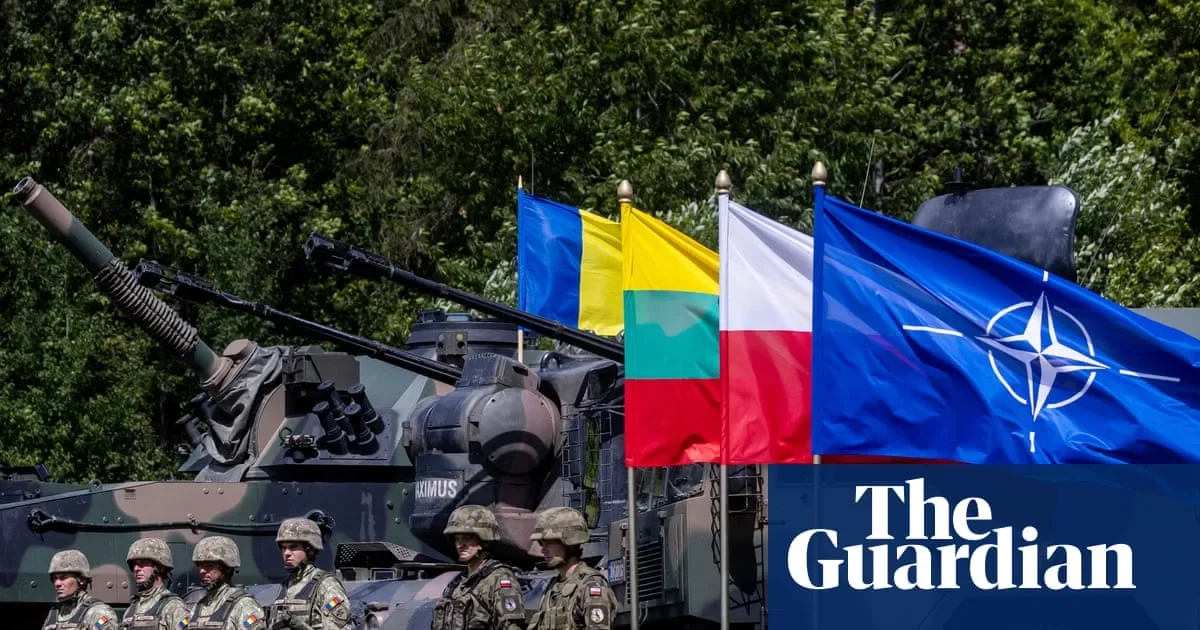
Intelligence chiefs across Europe are sounding the alarm this morning, warning that Russia is significantly escalating its 'shadow war' against NATO members. According to reports discussed ahead of the UNGA, Moscow is increasingly employing sabotage, arson, and cyber-attacks to test the limits of Western support for Ukraine. These actions are carefully calibrated to stay below the threshold of an overt military conflict, yet they are designed to sow chaos and disrupt the logistical chains of European states. This growing appetite for risk in the Kremlin suggests a strategic shift toward more aggressive hybrid warfare.
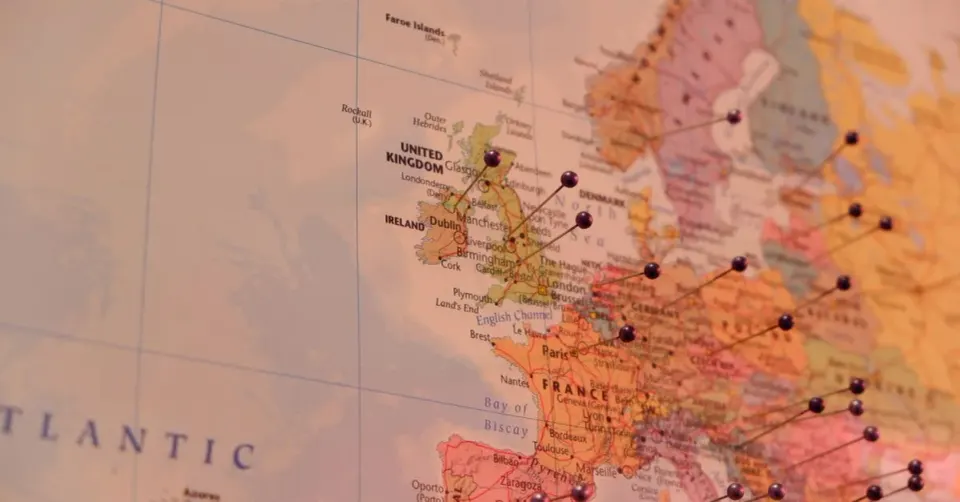
For global markets, this represents a significant 'risk-off' trigger. The possibility of a miscalculation leading to a direct NATO-Russia confrontation is no longer a fringe theory but a primary concern for policymakers. As Andy Burnham prepares for his first high-stakes meeting with Donald Trump in New York, the focus is shifting toward how the West can collectively deter these non-traditional threats. The instability in Europe is a key reason why global gold prices have maintained their record-breaking trajectory, as investors flee from the uncertainty of a continent on edge.
G7 Ultimatum to Tehran and the Oil Price Reversal
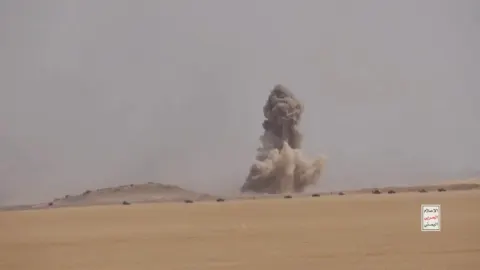
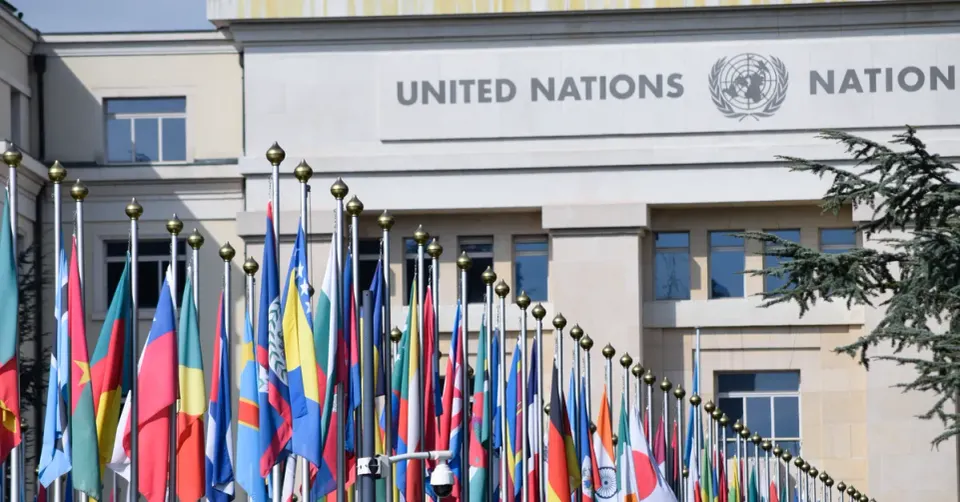
On the sidelines of the UN General Assembly, the G7 nations have issued a stern condemnation of Iran, demanding an immediate halt to the arming of Houthi rebels in Yemen. The group warned that continued escalation in the Red Sea and attacks on Saudi infrastructure jeopardize global energy security. This comes as the UK has agreed to provide defensive air support to Saudi Arabia to counter Houthi drones. The diplomatic pressure is mounting, with the G7 framing Iran’s regional activities as a direct threat to the global cost of living through increased shipping and energy costs.
In response to these tensions and the anticipation of US-Iran diplomatic talks, oil prices have reversed their recent downward trend. Brent crude has climbed back to $101.69 per barrel. Traders are caught between two narratives: the hope for a diplomatic breakthrough that could ease sanctions, and the reality of new US legislation, like the 'Lindsey O. Graham Act,' which threatens even tougher measures against Iranian and Russian energy exports. The market’s volatility reflects this deep uncertainty; any sign of failure in the New York talks could send crude prices—and by extension, global inflation—even higher.
Global Snapshots: From Japan’s Typhoon to Australia’s Courts
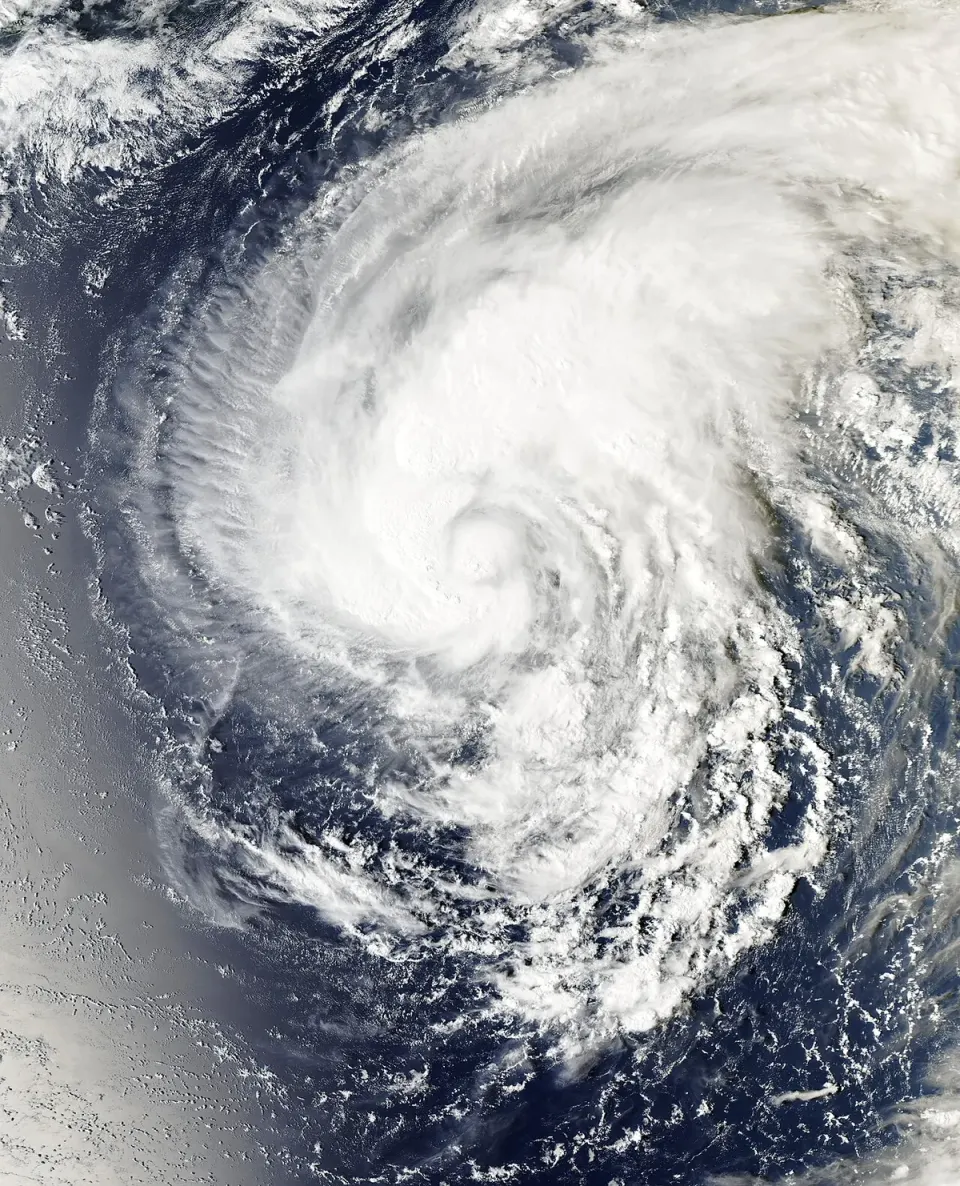
Beyond the corridors of power in New York, nature and the law have dominated the overnight cycle. In Japan, the powerful Typhoon Dujuan has claimed at least four lives after lashing Tokyo and surrounding areas with torrential rain and destructive winds. While the storm is now pulling away, the disruption to one of the world's largest urban economies adds another layer of complexity to Asian market sentiment this morning. Logistics and local manufacturing are expected to face short-term hurdles as recovery efforts begin.
Meanwhile, in Australia, the high-profile trial of former broadcaster Alan Jones continues to capture national attention. A fourth alleged victim testified in a Sydney court, detailing allegations of indecent assault. While seemingly distant from the financial markets of Tehran, such cases highlight a global shift toward accountability and the legal challenges facing formerly untouchable public figures. Simultaneously, Donald Trump’s latest trade maneuvers—pivoting toward Belarus for fertilizer while escalating a trade war with Canada—show that the 'America First' agenda remains as disruptive as ever, forcing global supply chains to redraw their maps in real-time.
Frequently Asked Questions
چرا قیمت طلا در بازار تهران با وجود ثبات نسبی دلار افزایش یافته است؟
منظور از «جنگ سایه» روسیه در اروپا چیست و چه اثری بر اقتصاد دارد؟
بیانیه گروه ۷ چه تأثیری بر قیمت نفت در روزهای آینده خواهد داشت؟
Economic Sanctions: How the G7’s Pressure on Iran Shapes Global Markets
Economic sanctions are a tool of statecraft that seeks to coerce a target country by restricting its access to finance, trade, and technology. The G7’s recent moves against Tehran combine primary sanctions—direct prohibitions on U.S. persons and entities from dealing with designated Iranian firms—and secondary sanctions, which punish non‑G7 actors who facilitate prohibited transactions. By threatening to cut off secondary markets, the G7 can extend the reach of its policy far beyond its own borders, compelling banks in Europe, Asia, and even Canada to scrutinise any Iranian‑linked trade.
The mechanics of secondary sanctions rely on the global nature of the financial system. Most cross‑border payments flow through the U.S. dollar and the SWIFT messaging network, both of which can be denied to entities that violate sanction rules. When a European bank, for example, processes a payment for Iranian oil, it risks being cut off from U.S. correspondent banking, a loss that can be far more costly than the original transaction. This creates a cascading effect: firms worldwide become reluctant to touch Iranian assets, driving down the Iranian rial and pushing Iranian exporters to seek alternative currencies or barter arrangements.
Commodity markets feel these pressures acutely. Gold, traditionally a safe‑haven asset, often rallies when sanctions tighten because investors anticipate reduced confidence in fiat currencies and heightened geopolitical risk. In 2024, the price of gold per ounce surged above $2,000 as the G7 signalled a new round of secondary sanctions on Iran’s gold‑related trade. At the same time, Brent crude prices can be squeezed upward when Iranian oil is forced into illicit channels, raising transport costs and insurance premiums for tankers that risk interdiction.
Understanding sanctions helps investors and policymakers anticipate market moves ahead of events like the UN General Assembly, where diplomatic rhetoric can quickly translate into concrete policy shifts. While sanctions aim to pressure governments, they also reshape global supply chains, alter capital flows, and generate volatility in assets ranging from precious metals to energy commodities.
Topics
Related Articles