Binance Faces DOJ Probe Over Iran Sanctions as Saudi Aramco Moves to Bypass Strait of Hormuz
تحقیقات قضایی آمریکا علیه بایننس به اتهام نقض تحریمهای ایران؛ آرامکو آماده دور زدن تنگه هرمز میشود
US federal prosecutors are investigating whether Binance knowingly allowed Iranian users to bypass sanctions, potentially reigniting regulatory pressure on the crypto giant. Meanwhile, Saudi Aramco is preparing to restart its Yanbu port operations to bypass the Strait of Hormuz, as Tehran markets see a 1.2% rise in the US Dollar.
At time of publishing
USD
232,400
Toman
Gold 18K
23.86M
Toman / gram
Bitcoin
$85,840
US Dollar
Tether
232,330.048
Toman
Binance Under Federal Fire for Alleged Iran Sanctions Violations
Federal prosecutors in Manhattan and the U.S. Department of Justice have reportedly launched a new inquiry into Binance, the world’s largest cryptocurrency exchange. According to reports from Bloomberg and CoinDesk, investigators are looking into whether the platform continued to facilitate transactions for Iranian users in violation of long-standing U.S. sanctions. This investigation follows a massive $4.3 billion settlement Binance reached in 2023, raising questions about whether the compliance overhauls promised by the exchange have been effectively implemented or if historical lapses are still being uncovered.
For the broader crypto market, this probe acts as a significant headwind. Binance has long served as a primary liquidity hub for traders globally, including many in the Middle East. If federal authorities find evidence of "knowing" violations, the legal repercussions could be severe, potentially impacting market sentiment at a time when Bitcoin is struggling to maintain its position near the $86,000 mark. For Iranian traders, the news serves as a stark reminder of the fragile nature of centralized exchanges, often leading to a spike in the USDT premium on local platforms as users move assets to more secure or decentralized alternatives.

Saudi Aramco Reroutes as Geopolitical Tensions Reshape Oil Flows
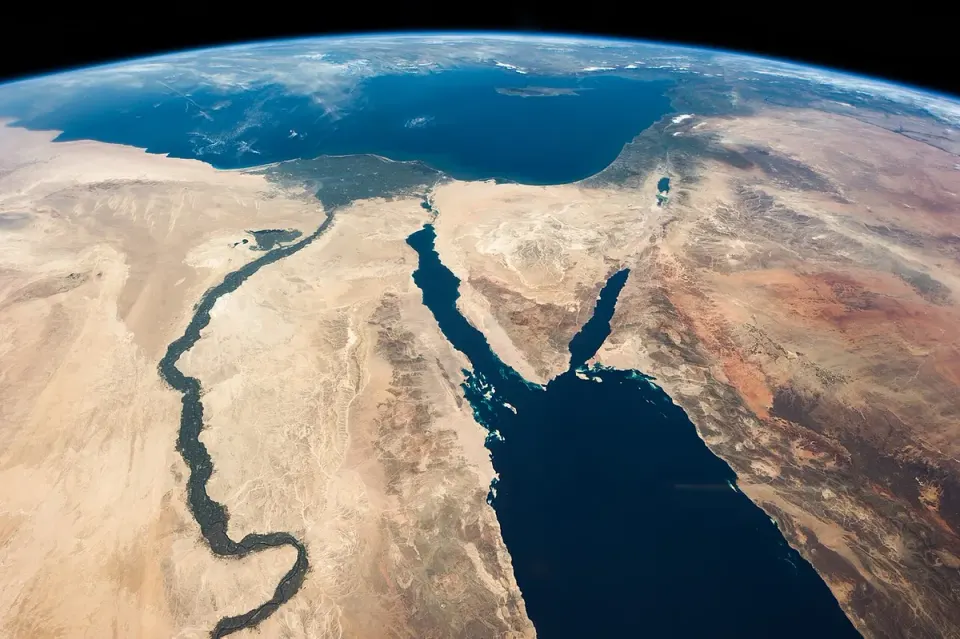
Saudi Aramco is reportedly making moves to restart its Yanbu port on the Red Sea, a strategic terminal that allows the Kingdom to export crude oil while completely bypassing the Strait of Hormuz. This decision follows a period of heightened regional tension and previous drone attacks on the East-West pipeline. By utilizing the Yanbu terminal, Saudi Arabia aims to insulate its oil exports from potential disruptions in the Persian Gulf, a move that significantly alters the energy security calculus for Asian refiners who rely on stable Saudi supplies.
While oil prices saw a slight dip to $89 per barrel following rumors that Iran might consider reopening the Strait of Hormuz within the next week, the structural shift toward bypass routes suggests a lack of long-term confidence in regional stability. This "Hormuz-bypass" strategy reduces the geopolitical leverage often held by Tehran over global energy markets. For global investors, the reopening of the Yanbu lifeline provides a buffer against supply shocks, though it highlights the ongoing fragmentation of traditional trade routes in response to localized conflicts.
Tehran Markets React to Global Volatility and UNGA Rhetoric
Domestic markets in Tehran have shown significant movement during the Tuesday session, with the US Dollar rising from 229,600 to 232,400 Toman, a 1.2% increase in just 24 hours. Gold markets followed suit, as the Emami coin climbed 1.5% to reach 237,500,000 Toman. This uptick is driven by a combination of high global gold prices, currently at $4,329 per ounce, and domestic anxiety surrounding the ongoing United Nations General Assembly (UNGA) in New York, where diplomatic breakthroughs remain elusive.
Foreign Minister Abbas Araghchi’s recent comments, urging Washington to "break free from Israeli shackles," reflect the stalled nature of nuclear and sanctions negotiations. Meanwhile, domestic issues such as the Education Ministry’s push for "educational equity" do little to mask the underlying economic pressure felt by the public. As the Rial continues to face devaluation pressure, the demand for hard currency and gold as inflation hedges remains the primary driver of market activity, regardless of the fluctuating rhetoric on the international stage.

Frequently Asked Questions
چرا بایننس دوباره تحت بازرسی قرار گرفته است؟
دور زدن تنگه هرمز توسط آرامکو چه تأثیری بر قیمت نفت دارد؟
دلیل اصلی افزایش قیمت سکه در بازار امروز تهران چیست؟
Understanding Economic Sanctions and Their Global Ripple Effects
Economic sanctions are non-military penalties imposed by one or more countries, or international bodies, against a target country, entity, or individual. Their primary goal is to alter the behavior of the sanctioned party by inflicting economic costs, rather than through direct military intervention. These measures can range from trade restrictions, asset freezes, and travel bans to more comprehensive embargos on specific goods or entire sectors like finance or energy. The intention is often to pressure the target into complying with international norms, ceasing certain activities (like nuclear proliferation or human rights abuses), or to punish past actions.
The mechanisms of sanctions are diverse and far-reaching. They often prohibit financial transactions with sanctioned entities, leading to strict compliance requirements for global financial institutions. For instance, the Department of Justice's probe into cryptocurrency exchanges like Binance for alleged Iran sanctions violations highlights the critical need for companies operating internationally to adhere to complex regulatory frameworks. Failure to do so can result in massive fines and legal repercussions. Sanctions can also target specific industries, such as oil exports, severely impacting a nation's ability to generate revenue and participate in global trade.
The consequences of economic sanctions extend far beyond the immediate targets. For the sanctioned country, they can trigger severe economic hardship, including hyperinflation, currency depreciation (like the USD/Toman exchange rate), and shortages of essential goods, often leading to a thriving black market or reliance on alternative financial systems like cryptocurrency. Geopolitically, sanctions can prompt countries to seek alternative trade routes and partners, as seen with Saudi Aramco's efforts to bypass the Strait of Hormuz, a critical chokepoint often subject to regional tensions exacerbated by sanctions. Ultimately, while intended to be a tool for peaceful coercion, sanctions often have complex and sometimes unintended humanitarian and geopolitical ramifications.