Diplomatic Thaw or Tactical Pause? US-Iran Resume Talks as South Korea Pivots from Middle East Oil
آغاز مذاکرات ایران و آمریکا در نیویورک؛ چرخش استراتژیک کره جنوبی از نفت خلیج فارس
US and Iranian officials have held their first direct talks since June, offering a glimmer of diplomatic movement despite President Trump's recent threats. Meanwhile, South Korea has announced a massive 10-year plan to slash its reliance on Middle Eastern crude, citing security risks in the Strait of Hormuz.
At time of publishing
USD
231,200
Toman
Gold 18K
23.43M
Toman / gram
Bitcoin
$86,482
US Dollar
Tether
228,619
Toman
The Diplomatic Icebreaker: US-Iran Talks Resume
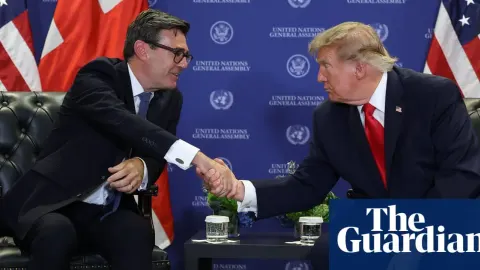
In a surprising turn of events at the United Nations General Assembly, US and Iranian officials have reportedly engaged in their first formal discussions since the collapse of the June ceasefire. These talks come at a particularly volatile moment, following President Trump’s recent speech where he used aggressive rhetoric, including threats of 'annihilation' toward Tehran. The resumption of dialogue suggests that beneath the performative hostility of public speeches, both administrations may be seeking a pragmatic off-ramp to prevent a full-scale regional escalation. Sources indicate that the primary focus of these initial meetings is to re-establish communication channels that were severed during the summer’s intermittent exchange of fire.
For the Iranian markets, this development is a double-edged sword. Historically, even the hint of diplomacy has acted as a cooling agent for the USD/IRR exchange rate. Today’s data reflects this cautious optimism, with the USD sell rate moving from 231,500 to 231,200, a slight decrease of 0.1%. While the change is marginal, it indicates that traders are in a 'wait-and-see' mode, holding off on major speculative moves until the outcome of these New York meetings becomes clearer. If these talks yield even a minor framework for de-escalation, we could see a more pronounced strengthening of the Toman in the coming days.

South Korea’s Strategic Exit: Reducing Middle East Oil Reliance
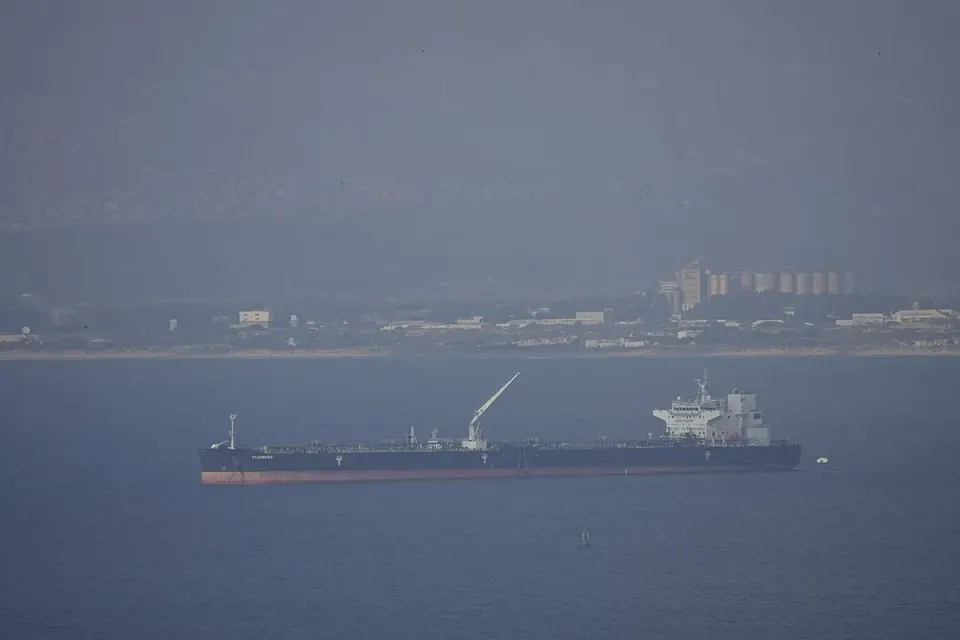
South Korea, one of the world's largest energy consumers, has officially drafted a 10-year natural resource security plan aimed at fundamentally shifting its energy architecture. The Ministry of Industry in Seoul announced that the country aims to cut its reliance on Middle Eastern crude oil imports to just 50% by the year 2035. Currently, South Korea sources nearly 70% of its oil from the Middle East, with the vast majority of these shipments passing through the Strait of Hormuz. This pivot is not merely a commercial decision but a direct response to the persistent geopolitical instability surrounding Iranian waters and the broader Persian Gulf.
This move carries significant long-term implications for regional oil producers. By diversifying its sources and boosting domestic oil reserves by 20 million barrels by 2030, South Korea is signaling to the market that it no longer views the Middle East as a guaranteed, stable partner. For Iran, which has historically relied on Asian markets to bypass Western sanctions, this structural shift in South Korean policy represents a shrinking pool of reliable buyers. It underscores a growing global trend where major economies are willing to pay a premium for logistical security over the cheaper, yet more volatile, supply routes of the Gulf.
The AI Sentiment Divide: Optimism Outside the West
While Western nations remain deeply embroiled in debates over the existential risks and job-killing potential of Artificial Intelligence, a new Gallup poll reveals a starkly different sentiment across the rest of the world. In a survey spanning 37 countries, a majority of respondents outside the 'Worried West' expressed genuine curiosity and excitement about AI’s potential. This divide highlights a fundamental difference in how technology is perceived: in developed economies, AI is often seen as a disruptive threat to the status quo, whereas in emerging markets, it is viewed as a critical tool for leapfrogging traditional developmental hurdles.
For countries like Iran, where the tech-savvy youth population is increasingly looking for ways to bypass local economic stagnation, AI represents a frontier of opportunity in software development, fintech, and automated services. The global sentiment shift suggests that the next wave of AI innovation and adoption may not be driven by the cautious regulatory environments of Europe or North America, but by the enthusiastic integration of these tools in Asia, Africa, and Latin America. This could lead to a significant redistribution of digital labor and economic power over the next decade as 'AI-first' economies begin to emerge in unexpected regions.

Frequently Asked Questions
Why is South Korea reducing its reliance on Middle Eastern oil?
How did the Tehran market react to the US-Iran talks?
What is the significance of the latest US-Iran talks in New York?
The Strategic Importance of the Strait of Hormuz
The Strait of Hormuz is a narrow waterway—only about 21 miles (33 km) wide at its tightest point—linking the Persian Gulf with the Gulf of Oman and the open ocean. Despite its modest size, it channels roughly 20% of the world’s petroleum and about a third of the global liquefied natural gas (LNG) trade. This disproportionate flow makes the strait a classic chokepoint: a place where a relatively small geographic constraint can have outsized effects on global energy markets.
Historically, the strait has been a flashpoint for geopolitical tension. During the Iran‑Iraq war (1980‑88) both sides mined the waterway, prompting the U.S. Navy’s “Operation Earnest Will” to escort merchant vessels. More recently, in 2019 a series of attacks on tankers—attributed to Iranian-backed militias—temporarily spiked oil prices, and in 2020 a U.S. drone strike on an Iranian‑linked vessel underscored how quickly a single incident can reverberate through the market. Each episode demonstrates how the strait’s vulnerability can be weaponized to exert political pressure.
The resumption of U.S.–Iran talks in 2026 therefore matters far beyond bilateral diplomacy. A de‑escalation reduces the risk of a sudden closure, reassuring oil‑importing nations such as South Korea, which sources more than 40% of its crude from the Middle East. When traders anticipate a disruption, they often hedge by buying safe‑haven assets like gold, explaining the sharp moves in Tehran‑priced gold observed after each diplomatic flare‑up. Likewise, the Toman’s exchange rate can be indirectly affected as capital flows respond to perceived energy‑security risks.
In the long run, countries are diversifying away from Hormuz‑dependent supplies—building pipelines (e.g., the UAE‑Saudi “Red Sea” project) and expanding LNG terminals in East Asia. Yet the strait remains a linchpin of the current system, and any future closure, even for a few days, would reverberate through oil prices, exchange rates, and global economic sentiment, as reflected in surveys like Gallup’s AI‑driven sentiment indexes.