Trump’s $5B Gulf Gambit: A New Strategy to Bypass Hormuz and Isolate Tehran
قمار ۵ میلیارد دلاری ترامپ در خلیج فارس: استراتژی جدید برای دور زدن هرمز و انزوای تهران
Donald Trump proposes a $5 billion fund to rebuild Gulf energy infrastructure bypassing the Strait of Hormuz, while Iranian President Pezeshkian arrives in New York amid quiet backchannel diplomacy via Qatar.
At time of publishing
USD
231,200
Toman
Gold 18K
23.49M
Toman / gram
Bitcoin
$86,445
US Dollar
Tether
228,118
Toman
Market Open — Gold Retreats as Tensions Move to the Podium
Good morning from the Arzbin newsroom. The Tehran market opened this Wednesday with a notable cooling of the recent fever in the gold sector. Gold 18k/gram saw a significant correction, falling 1.8% from 23,927,697 to 23,489,080 Toman. This retreat was mirrored in the coin market, where the Emami coin dipped 0.2% to settle at 237,000,000 Toman. While global gold prices remain historically high at $4,336, the local market seems to be pricing in a temporary de-escalation or at least a 'wait-and-see' approach as diplomatic proceedings begin in New York.
In the currency corridor, the US Dollar showed remarkable stability despite the heavy geopolitical rhetoric overnight. The USD/IRR pair edged down a microscopic 0.1%, moving from 231,500 to 231,200 Toman. This suggests that while the rhetoric at the UN is 'bellicose,' traders are not yet panicking. Meanwhile, in the digital frontier, Bitcoin continues its historic run, holding steady at $86,445. On-chain data suggests BTC is on track for a three-month winning streak not seen since 2012, providing a stark contrast to the volatility seen in traditional regional assets.
Trump’s $5B Strategic Pivot: Redrawing the Oil Map
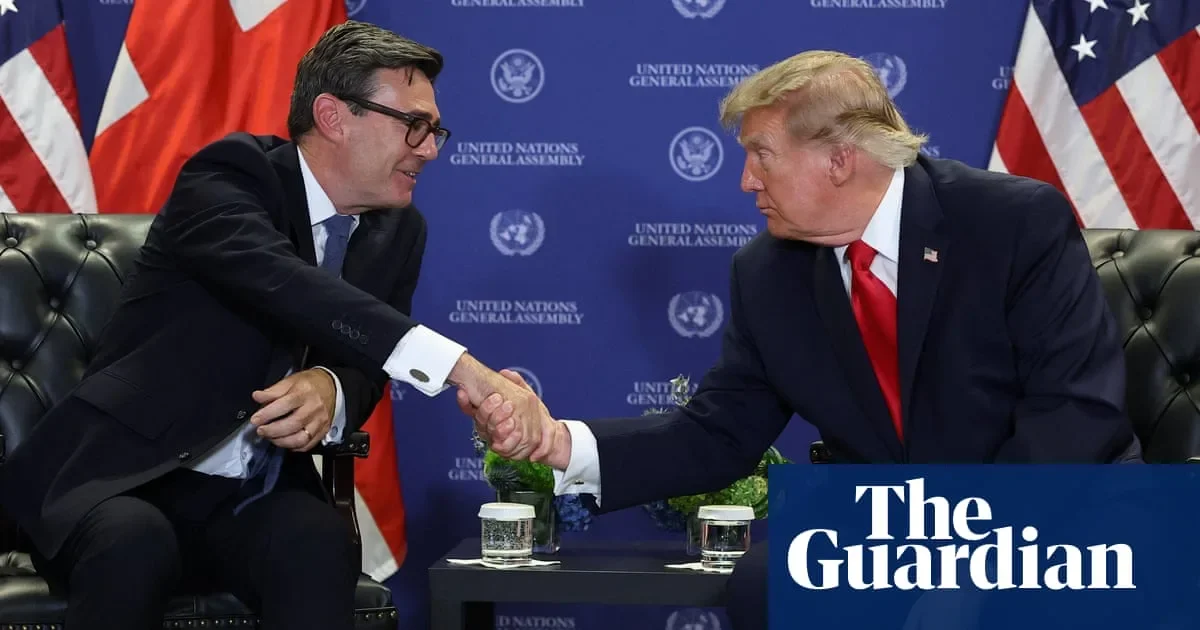
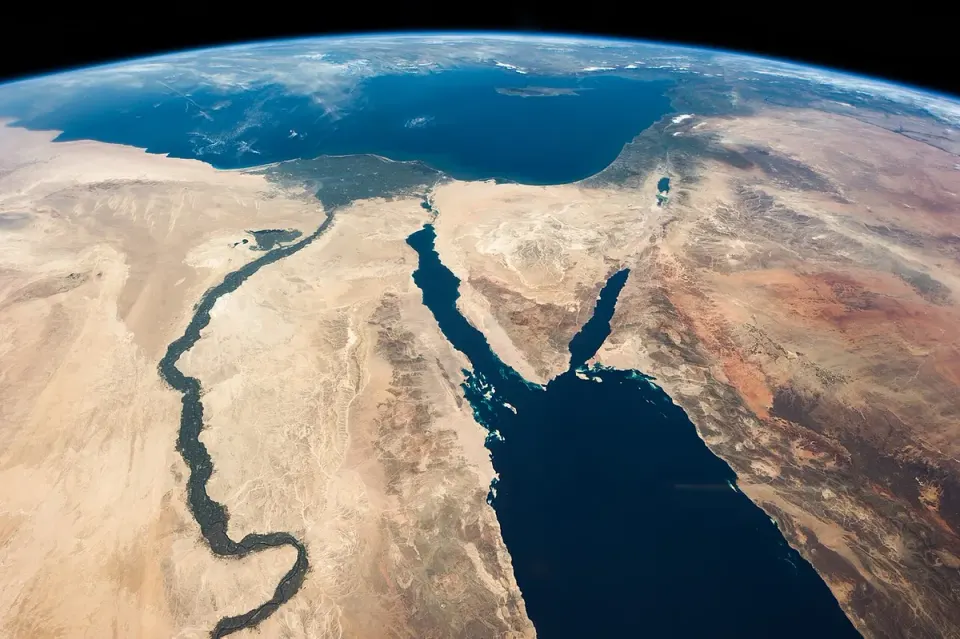
In a move that could fundamentally alter the strategic importance of the Persian Gulf, Donald Trump has used the UN General Assembly to propose a $5 billion US-funded initiative to rebuild Gulf energy infrastructure. The primary objective is not just repair, but the creation of alternative export routes that entirely bypass the Strait of Hormuz. By offering to finance pipelines and terminals that lead directly to the Arabian Sea or the Red Sea, Washington is attempting to strip Tehran of its most potent geopolitical lever: the ability to threaten global energy supplies by closing the world's most vital maritime chokepoint.
This isn't just about infrastructure; it's about price control. Trump explicitly called on nations to unite to isolate Tehran and bring down global energy prices. By diversifying the exit points for Gulf oil, the US aims to make the global economy immune to regional flare-ups. For the Iranian reader, this represents a long-term structural threat to the 'Hormuz Premium' that often protects the domestic economy from even harsher sanctions. If the Strait becomes optional for the world's oil, the cost of sanctioning Iran further drops significantly in the eyes of Western policymakers.
Diplomacy Behind Closed Doors: Pezeshkian and the Qatari Channel
While the public rhetoric remains sharp, the backchannels are buzzing. President Masoud Pezeshkian has arrived in New York for the 81st UNGA session, but the real news broke before he even took the stage. Foreign Ministry spokesperson Esmaeil Baqaei confirmed that Iranian and American representatives held a mediated meeting in New York via Qatari officials. During this session, Iran reportedly laid out clear conditions for the resumption of formal diplomacy. This suggests that despite the 'bellicose' defense of US foreign policy seen on the UN floor, both sides are still testing the waters for a potential off-ramp.
The stakes for these talks are immense. For the Iranian administration, any success in New York could translate into immediate relief for the Toman, which has been under sustained pressure. However, the gap remains wide. While Pezeshkian aims to present a more pragmatic face of the Islamic Republic, the US administration continues to demand total isolation of Tehran's regional influence. The market's current stability—evidenced by the flat USD rate this morning—indicates that investors are waiting for a concrete signal from these meetings before committing to a new direction.
The Global Re-Alignment: Xi’s Red Carpet and BTC’s Streak
Beyond the Middle East, the global power structure is shifting. The White House is preparing a massive red-carpet welcome for Chinese President Xi Jinping. This visit is expected to tackle the most sensitive issues of our time: trade imbalances and the regulation of Artificial Intelligence. For Iran, the thawing of US-China relations is a double-edged sword. While it could lead to global economic stability, it might also reduce China's appetite for 'gray market' Iranian oil if Beijing secures a better trade deal with Washington.

Simultaneously, the financial world is watching Bitcoin’s 'September to Remember.' The leading cryptocurrency’s 10% gain this month is part of a winning streak that mirrors the early days of the 2012 bull run. With the US Treasury potentially tapping a new 'AI and Crypto Czar,' the institutionalization of digital assets is accelerating. For Iranian investors, this remains the ultimate hedge against domestic inflation and the shifting sands of UN diplomacy. As the world’s two largest economies talk trade, and digital gold hits new milestones, the traditional borders of finance are being redrawn in real-time.
Frequently Asked Questions
صندوق ۵ میلیارد دلاری پیشنهادی ترامپ چه تاثیری بر ایران دارد؟
چرا قیمت طلا در بازار تهران با وجود تنشهای سیاسی ریزش کرد؟
اهمیت سفر شیجینپینگ به واشینگتن برای بازار ایران چیست؟
Geopolitical Chokepoints: Why the Strait of Hormuz Matters
The Strait of Hormuz is one of the world’s most critical geopolitical chokepoints – narrow maritime passages where the flow of global trade can be easily disrupted. Stretching only about 21 nautical miles at its narrowest point, the strait links the Persian Gulf with the open ocean, and it carries roughly 20% of the world’s petroleum and a sizable share of liquefied natural gas (LNG). Because virtually every oil‑producing nation in the Gulf (Iran, Saudi Arabia, Iraq, Kuwait, the UAE, and Qatar) depends on this corridor to reach international markets, any threat to its security instantly reverberates through global energy prices.
A chokepoint’s strategic importance stems from the asymmetry of power it creates: a relatively small naval force can threaten a massive volume of trade, giving the controlling state considerable leverage in diplomatic negotiations. Iran has repeatedly hinted at closing the strait during periods of heightened tension, a tactic that can spike oil prices, boost its own oil revenues, and pressure adversaries. Conversely, the United States and its allies maintain a persistent naval presence to guarantee free passage, illustrating how military deployments are often justified on the basis of protecting global commerce.
Because reliance on a single narrow route is risky, countries and companies explore bypass options. Proposals have ranged from expanding overland pipelines through the Gulf Cooperation Council (GCC) states, to developing new deep‑water ports in Oman or the United Arab Emirates that can accommodate larger tankers farther from the strait. In 2024, Iran announced studies on a “Southern Route” that would ship oil around the Arabian Sea, while Qatar and the United States have discussed enhancing the East-West Pipeline to reduce dependence on Hormuz. Such alternatives illustrate how infrastructure investments can mitigate chokepoint vulnerability, but they also require massive capital, political coordination, and time.
Understanding chokepoints helps explain why headlines about “bypassing Hormuz” or “new Gulf strategies” carry weight far beyond regional politics. They signal potential shifts in the global energy supply chain, which can affect everything from gasoline prices in Europe to gold and cryptocurrency markets that often react to oil‑price volatility. For policymakers and investors alike, monitoring the security of the Strait of Hormuz is a proxy for anticipating broader economic turbulence.
Topics
Related Articles