Trump-Xi AI Summit Collides with Surprise US-Iran Breakthrough as Oil Slips Below $100
دیدار ترامپ و شی در سایه توافق احتمالی با ایران؛ سقوط نفت به زیر ۱۰۰ دلار و ریزش قیمت طلا
Donald Trump meets Xi Jinping to discuss a potential ban on artificial superintelligence while secret three-hour talks between US and Iranian envoys send Brent crude tumbling below $100 for the first time in weeks. In Tehran, gold and currency markets have responded with a sharp correction as diplomatic hopes outweigh earlier 'annihilation' rhetoric.
At time of publishing
USD
230,400
Toman
Gold 18K
23.47M
Toman / gram
Bitcoin
$85,461
US Dollar
Tether
228,702
Toman
The Superintelligence Summit: Trump and Xi Face Off Over AI
In a move that could redefine the global technological landscape, Donald Trump is set to meet Chinese President Xi Jinping in Washington D.C. today. The meeting comes at a critical juncture as the U.S. Congress debates a landmark bill that could effectively ban the development of artificial superintelligence (ASI). While the rhetoric from the White House has remained focused on national security, the underlying tension revolves around which superpower will control the next era of cognitive computing. Trump’s administration is balancing the need to remain the world leader in innovation with growing fears from industry leaders that unregulated AI could pose catastrophic risks to global stability. This summit is not merely about technology; it is a high-stakes trade negotiation. Sources suggest that Trump may use the threat of the AI ban as leverage to secure concessions on other fronts, including manufacturing and regional security in the Pacific. For global markets, the outcome of these talks is paramount. Any agreement to limit AI development could lead to a massive reshuffling of capital in the tech sector, impacting companies that have seen their valuations soar on the promise of autonomous systems. Investors are watching closely to see if a 'technology truce' can be reached or if the world is headed toward a digital Iron Curtain.

The Three-Hour Breakthrough: US-Iran Diplomacy Rattles Energy Markets
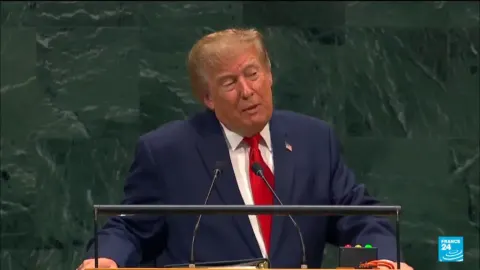
In a stunning reversal of his earlier 'annihilation' rhetoric at the United Nations, Donald Trump confirmed that his top envoys, Steve Witkoff and Jared Kushner, held a 'very productive' three-hour meeting with Iranian Foreign Minister Abbas Araghchi in New York. While Tehran officially denies dropping its long-standing preconditions regarding the Strait of Hormuz, the mere existence of high-level direct talks has sent shockwaves through the energy markets. Brent crude oil fell below the $100 mark for the first time in two weeks, as traders began pricing in the possibility of a diplomatic de-escalation that could stabilize Middle Eastern supply routes. The meeting, mediated by Qatar, represents the most significant direct engagement between the two nations in years. Trump’s description of the talks as 'encouraging' suggests a pivot toward his signature 'deal-making' style, even as he continues to maintain a posture of maximum pressure in public. For the Iranian economy, this shift is a double-edged sword. While the prospect of eased tensions provides immediate relief to the Toman and gold prices, the underlying structural issues and the volatility of Trump’s foreign policy keep long-term investors cautious. The focus now shifts to President Pezeshkian’s upcoming address to the General Assembly, where he is expected to respond to these developments.
Market Correction: Tehran Responds to Diplomatic Thaw
The domestic market in Tehran has reacted swiftly to the news from New York. Gold 18k per gram saw a significant decline, moving from 23,927,697 to 23,465,995 Toman, a drop of 1.9% in just 24 hours. Similarly, the Emami coin fell from 237,500,000 to 235,500,000 Toman (-0.8%). This correction reflects a sudden shift in sentiment, as the 'war premium' that had been driving prices higher began to evaporate following the Kushner-Araghchi meeting. The US Dollar also showed a cooling trend, with the sell rate moving from 231,500 to 230,400 Toman, marking a 0.5% decrease.
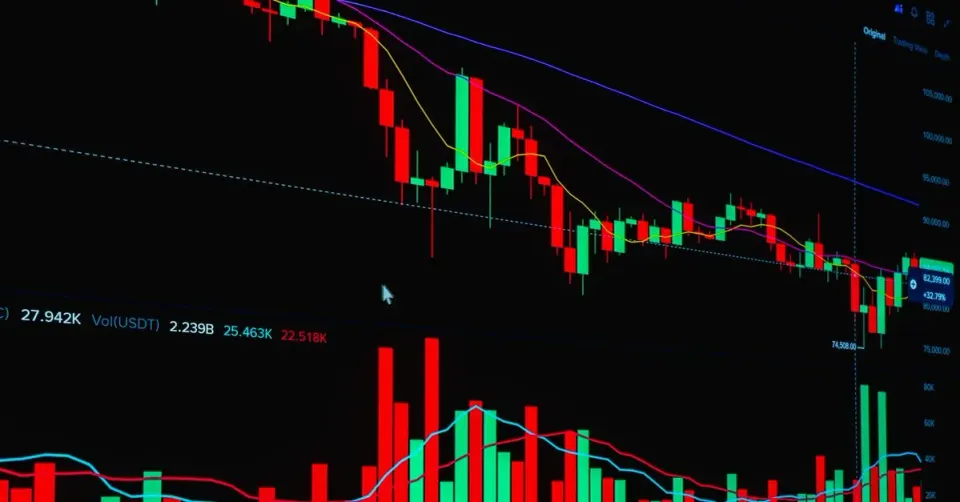
Beyond the immediate price action, the broader economic context is shaped by Asia's surging crude imports. Data indicates that Asian buyers are currently importing 23.96 million barrels per day, the highest level since the regional conflict began. This high demand, coupled with the potential for a diplomatic breakthrough, creates a complex environment for the Toman. If the talks in New York lead to a formal framework, we could see a sustained strengthening of the local currency. However, if the rhetoric turns hostile again after the UNGA, the current correction may prove to be a short-lived respite for the Iranian consumer.
Frequently Asked Questions
Why did oil prices fall below $100 today?
What is the US bill on artificial superintelligence about?
How much did gold prices drop in Iran today?
Understanding the Geopolitical Risk Premium in Oil Prices
The news of a "surprise US-Iran breakthrough" immediately followed by oil prices slipping below $100 highlights a crucial concept in commodity markets: the geopolitical risk premium. This premium is essentially an added cost embedded in the price of oil due to perceived political instability, conflicts, or diplomatic tensions in major oil-producing or transit regions. When geopolitical risks are high, markets anticipate potential disruptions to supply, leading traders to demand a higher price to account for this uncertainty.
Historically, the Middle East, with its vast oil reserves and complex political landscape, has been a primary source of this risk premium. Events like wars, sanctions, or even heightened diplomatic rhetoric involving key players can trigger fears of supply interruptions, whether through direct conflict, shipping blockades, or reduced production capacity. This fear drives speculative buying and hedging, pushing prices upward, even if actual supply hasn't yet been affected. The premium reflects the market's collective assessment of the likelihood and potential impact of such disruptions.
Conversely, when diplomatic breakthroughs occur, or tensions de-escalate, this perceived risk diminishes. A "US-Iran breakthrough," for instance, could signal a reduced likelihood of conflict or a potential increase in Iranian oil supply returning to global markets, thereby easing supply concerns. As the market's assessment of risk falls, the geopolitical risk premium begins to evaporate, leading to a downward correction in oil prices, as observed in the headline. This dynamic illustrates how deeply intertwined global politics and energy markets truly are, with sentiment playing as significant a role as fundamental supply and demand.
Understanding this premium is vital for anyone tracking global economics, as it explains why oil prices can sometimes move dramatically even without immediate changes in production or consumption. It underscores the constant interplay between political developments and market psychology in determining the cost of a critical global commodity.