Trump Veto Freezes Chagos Deal as Oil Slumps Below $100 on US-Iran Diplomatic Hopes
وتوی ترامپ توافق چاگوس را متوقف کرد؛ سقوط نفت به زیر ۱۰۰ دلار با سیگنالهای دیپلماتیک تهران-واشینگتن
The UK has suspended its Chagos Islands handover after Donald Trump refused to support the agreement, signaling a major shift in transatlantic relations. Meanwhile, oil prices fell for a sixth day as renewed US-Iran talks ease supply concerns, driving a 2% correction in Tehran's gold market.
At time of publishing
USD
230,500
Toman
Gold 18K
23.45M
Toman / gram
Bitcoin
$85,771
US Dollar
Tether
228,500
Toman
The Trump Shadow Over British Sovereignty
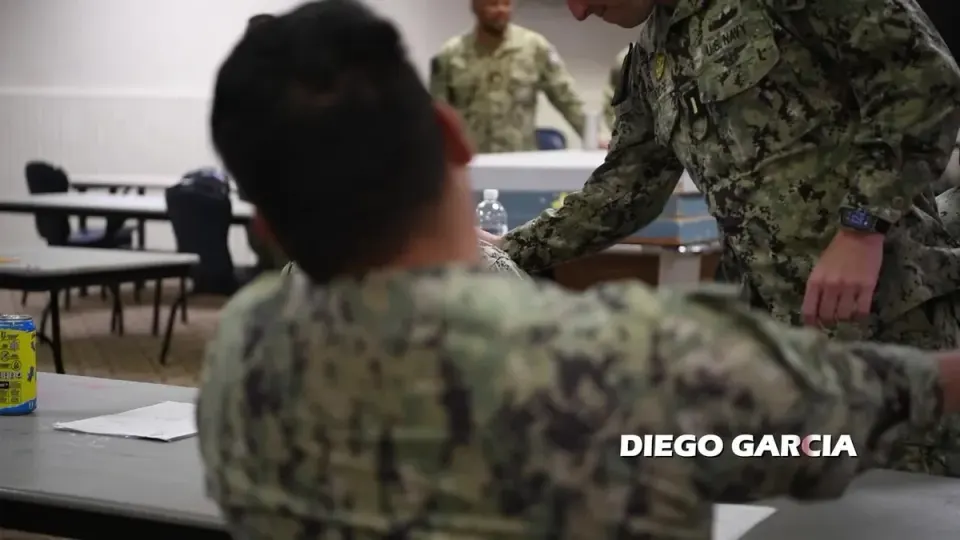
In a move that underscores the immense geopolitical weight of the current U.S. administration, the British government has officially placed its landmark deal to return the Chagos Islands to Mauritius on hold. Defence Secretary Wes Streeting confirmed that annual payments worth at least £120 million are being withheld as the UK reconsiders the agreement. The sudden pivot comes directly after President Donald Trump labeled the deal 'terrible,' raising concerns about the future of the strategic Diego Garcia military base. This facility, a cornerstone of Western power projection in the Indian Ocean, is leased to the United States, and Trump’s refusal to back the sovereignty transfer has effectively vetoed London's foreign policy initiative.
This development is more than just a bilateral dispute; it is a signal to the world that traditional alliances are being renegotiated in real-time. For the UK, the suspension of the deal reflects a pragmatic, if painful, admission that British strategic interests cannot be decoupled from Washington’s approval. Critics argue this undermines UK sovereignty, while supporters of the pause suggest that maintaining the integrity of the Diego Garcia base is paramount in an increasingly volatile global landscape. As the UK government reviews the deal, the freeze on payments suggests that the agreement, years in the making, may be headed for a total collapse if a compromise with the White House cannot be reached.
Pezeshkian’s UN Debut Amidst War Rhetoric
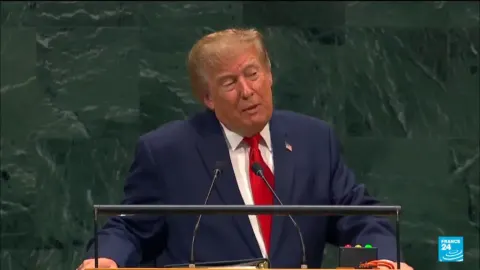
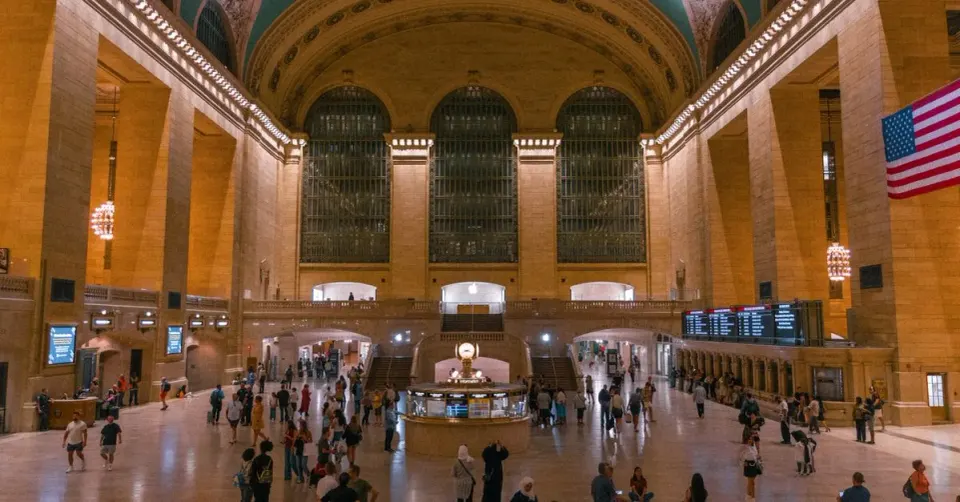
As the diplomatic drama unfolds in Washington and London, Iranian President Masoud Pezeshkian is preparing to address the United Nations General Assembly for the first time. His speech comes at a precarious moment, following President Trump’s recent threats to 'annihilate' the Islamic Republic. Pezeshkian faces the daunting task of balancing domestic pressure for a 'crushing' response with the economic necessity of keeping diplomatic channels open. The contrast in New York is stark: while Trump uses the UN stage to project maximalist threats, the Iranian delegation appears to be navigating a narrow path toward de-escalation, as evidenced by the revival of low-level talks that have already begun to impact global energy markets.
Beyond the high-level rhetoric, regional security remains a primary concern for Tehran and its neighbors. In a related development, a court in Sri Lanka has convicted 15 individuals in connection with the 2019 Easter bombings, an attack inspired by the Islamic State. This serves as a reminder of the persistent threat of extremist groups that often exploit regional instability. Meanwhile, in Iran, the domestic mood remains somber as large crowds gathered in Qom for the funeral of Ayatollah Seyyed Mousa Shobeiri Zanjani. The participation of high-ranking scholars and students in the procession highlights the deep-rooted traditional structures that continue to influence Iranian social and political life, even as the government grapples with modern geopolitical crises.
Market Correction: Oil, Gold, and the Toman
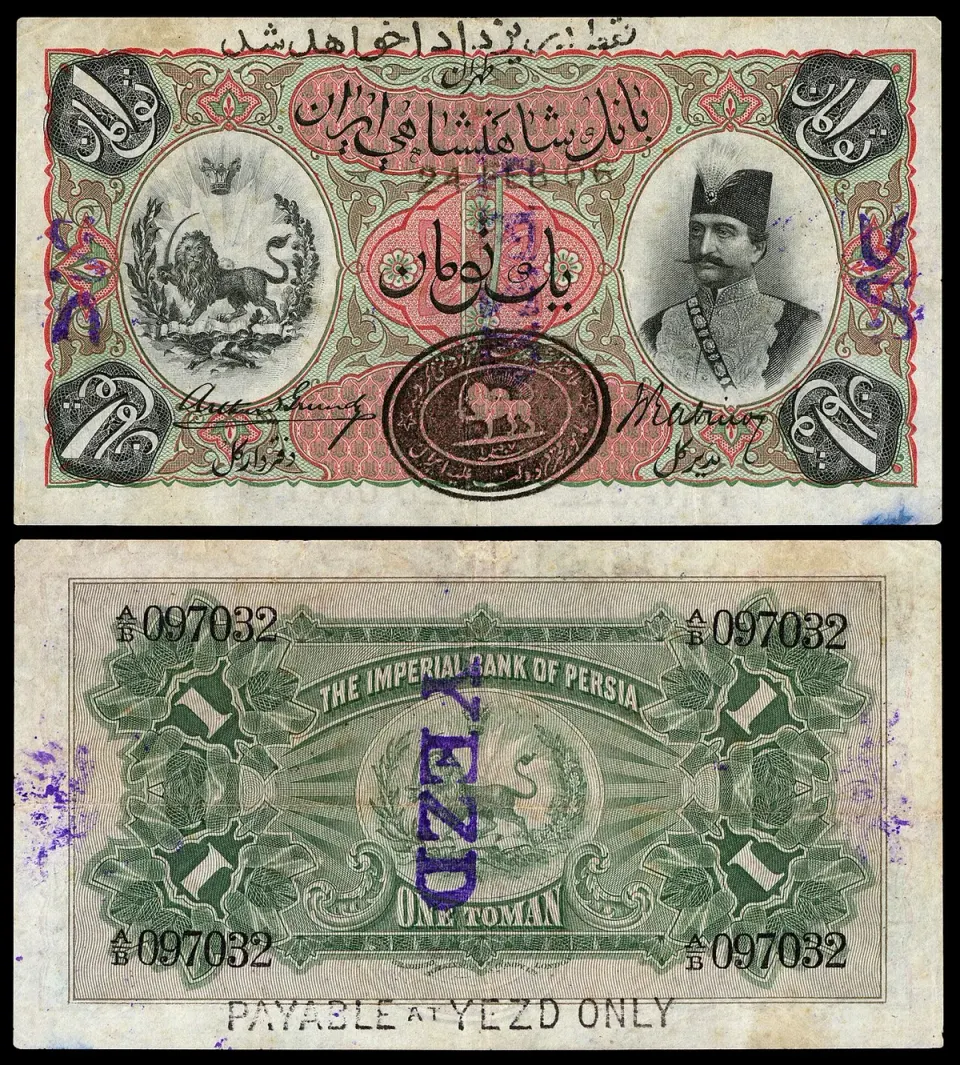
The ripple effects of these diplomatic shifts are being felt immediately in the financial markets. Oil prices have entered their longest losing streak since August 2025, with Brent crude dipping 1% to $98.30 per barrel and WTI falling below the $90 mark. This decline is largely attributed to the resumption of US-Iran talks, which investors hope will lead to a more stable flow of energy from the Middle East. For the Iranian economy, this has translated into a rare moment of cooling. The USD sell rate in Tehran moved from 231,500 to 230,500 Toman, a modest but notable decrease of 0.4% over the last 24 hours.
The correction in the gold market has been even more pronounced. The price of 18k gold per gram dropped from 23,927,697 to 23,454,453 Toman, a significant 2.0% decline. Similarly, the Emami coin fell from 237,500,000 to 235,500,000 Toman (-0.8%). In the crypto space, Bitcoin continues to consolidate near the $85,771 level, as traders weigh massive on-chain transfers from FTX-linked wallets against the broader bullish sentiment. While the 'Trump-Xi summit' remains a focal point for global markets, the immediate relief in Tehran’s currency and gold prices suggests that the local market is highly sensitive to any sign of a diplomatic breakthrough, however fragile it may be.
Watch
Andy Burnham gives first United Nations speech as UK PM | BBC News
BBC News
Frequently Asked Questions
Why did the UK put the Chagos Islands deal on hold?
How did the US-Iran talks affect the price of gold in Tehran?
What is the significance of the Diego Garcia military base?
The Geopolitical Significance of the Chagos Archipelago and Diego Garcia
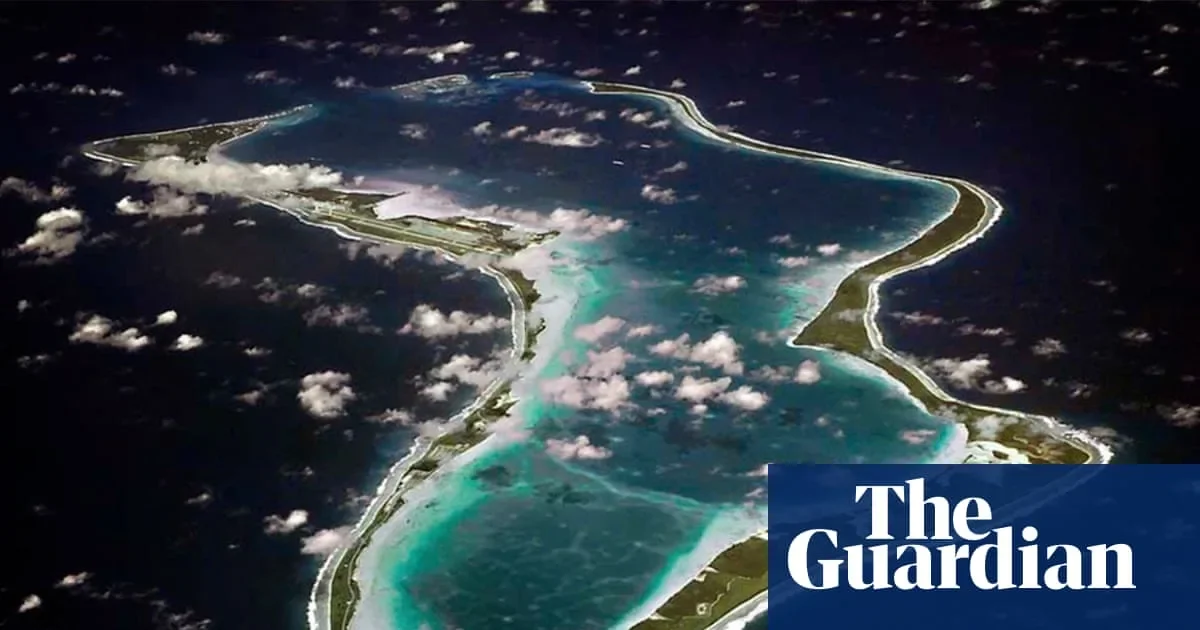
The Chagos Archipelago, a remote group of islands in the Indian Ocean, might seem obscure, yet it sits at the heart of a complex web of international law, post-colonial legacies, and strategic military interests. Its most prominent island, Diego Garcia, is home to a crucial US military base, leased from the United Kingdom. This base is a cornerstone of American power projection in the Middle East, Africa, and parts of Asia, serving as a vital hub for air and naval operations and intelligence gathering. Its strategic location makes it invaluable for global security operations, from anti-piracy efforts to counter-terrorism campaigns.
The establishment of this base, however, came at a significant human cost. Between 1968 and 1973, the entire indigenous population of the Chagos Islands, known as the Chagossians or Ilois, was forcibly removed by the British government to make way for the US military facility. These islanders were resettled primarily in Mauritius and the Seychelles, enduring decades of displacement, poverty, and a persistent struggle for their right to return to their homeland. This act has been widely condemned internationally as a violation of human rights and self-determination.
The sovereignty over the Chagos Archipelago remains a contentious issue. Mauritius, a former British colony, asserts its claim to the islands, arguing that they were illegally detached from its territory before its independence in 1968. In recent years, international bodies have largely sided with Mauritius. The International Court of Justice (ICJ) in 2019 and the International Tribunal for the Law of the Sea (ITLOS) in 2021 both delivered advisory opinions stating that the UK's continued administration of the Chagos Archipelago is unlawful and that it should complete its decolonization by returning the territory to Mauritius.
The "Chagos Deal" mentioned in the headline likely refers to ongoing diplomatic efforts between the UK and Mauritius to resolve this dispute, potentially involving a handover of sovereignty while safeguarding the US base's operational status. A "Trump Veto" in this context would signify a significant intervention by the US, potentially to protect its strategic military interests on Diego Garcia, overriding diplomatic agreements or international pressure. This highlights the enduring tension between geopolitical imperatives, historical injustices, and the evolving landscape of international law and decolonization.
Chagos Archipelago - Wikipedia
en.wikipedia.org
Chagos Islands dispute: UK must give control to Mauritius, UN says - BBC News
bbc.com
Legal Consequences of the Separation of the Chagos Archipelago from Mauritius in 1965 - International Court of Justice
icj-cij.org
Diego Garcia: The UK's Disputed Military Base - Council on Foreign Relations
cfr.org
Topics
Related Articles