Trump’s Midterm Gamble: Iran Dangles Hormuz Deal as WTI-Brent Spread Hits $12
قمار انتخاباتی ترامپ؛ پیشنهاد ۷ روزه ایران برای بازگشایی هرمز و بحران جدید در بازار نفت
As US midterms approach, Iran has reportedly offered a 7-day roadmap to reopen the Strait of Hormuz in exchange for sanctions relief, while global energy markets reel from a massive $12 price gap between US and international crude.
At time of publishing
USD
233,700
Toman
Gold 18K
23.74M
Toman / gram
Bitcoin
$83,978
US Dollar
Tether
232,600
Toman
The Midterm Money Race and Iran’s Strategic Timing
As the United States hurtles toward its critical midterm elections, the influence of campaign financing has reached a fever pitch. Reports indicate that high-profile figures like Alex Vindman are redirecting millions in 'war chests' to boost Democratic candidates in swing states, highlighting how every political move is now viewed through the lens of electoral survival. This domestic pressure has created a unique window for Tehran, which has reportedly dangled a 7-day roadmap to reopen the Strait of Hormuz. The proposal is a classic 'poisoned chalice' for President Trump: accepting it could lower global energy prices and secure a diplomatic win, but it requires lifting Iranian asset freezes and pressuring Israel to halt operations in Lebanon.
For the Iranian reader, this political theater in Washington is the primary driver of current market caution. The USD/IRR rate moved from 234,200 to 233,700, a minor 0.2% decrease, as traders wait to see if Trump will bite on the 'Hormuz Deal.' If the US administration prioritizes domestic fuel prices over its hawkish stance on Tehran, we could see a significant shift in sanctions enforcement. However, the requirement to rein in Benjamin Netanyahu remains a massive hurdle that could collapse the proposal before the 7-day deadline expires.
Energy Schism: Why WTI is Trading $12 Below Brent
The global oil market is currently witnessing a rare and dramatic decoupling. While international benchmark Brent crude remains elevated due to the ongoing Hormuz blockade, the US benchmark West Texas Intermediate (WTI) has plummeted, trading roughly $12 below its global counterpart. This spread is driven by soaring freight costs and, more significantly, President Trump’s recent threats to ban US diesel exports. By threatening to keep American fuel at home to lower domestic prices before the elections, the administration has effectively isolated the US market from global demand, causing a steep 7% weekly decline in WTI.
This 'America First' energy policy has profound implications for global inflation. If the US proceeds with a diesel export ban, countries like Britain and those in the EU—already struggling with energy security—could face record-high fuel costs. For Iran, the widening spread is a double-edged sword. While it keeps the price of Brent (and thus regional oil) high, the increased shipping and insurance costs associated with the Hormuz transit collapse mean that actual revenue remains suppressed. The market is currently pricing in extreme volatility as the UN General Assembly serves as the backdrop for these high-stakes energy negotiations.
Diplomatic Friction and the Paris Justice System
While the headlines are dominated by oil and elections, Iran is facing renewed diplomatic pressure on other fronts. The Iranian government, via state media IRNA, has strongly condemned what it calls 'baseless' accusations from Colombia regarding the Islamic Republic’s armed forces. These tensions in South America suggest that despite the potential for a 'Hormuz Deal,' the broader geopolitical friction between Tehran and Western-aligned nations remains unresolved. Such diplomatic spats often serve as indicators of how difficult it will be to reach a comprehensive 'ceasefire on all fronts' as proposed in the 7-day roadmap.
Meanwhile, in Europe, a high-profile criminal case has captured public attention. Loïk Le Priol, a primary suspect in the 2022 murder of Argentine rugby star Federico Martín Aramburu, begged for forgiveness in a Paris court this Friday. The case, involving suspects with links to the extreme right, has highlighted the rising tide of political violence in Europe. While seemingly unrelated to the oil markets, such events contribute to the general sense of global instability that has pushed gold prices to $4,285.10 per ounce, even as local Tehran gold prices saw a 1.3% dip today due to currency adjustments.
Market Update: Gold and Toman Stability
In the local Tehran markets, the past 24 hours have been characterized by a slight cooling of the 'war premium.' Gold 18k per gram dropped from 24,054,665 to 23,743,016 Toman, a 1.3% decline that reflects a temporary stabilization in the exchange rate. The Emami coin remained flat at 240,000,000 Toman, suggesting that while the immediate panic has subsided, long-term investors are not yet ready to sell off their hedges. Bitcoin continues to hover around the $84,000 mark ($83,978), acting as a digital safe haven for those wary of both the Toman and the USD during this period of extreme political uncertainty.
Frequently Asked Questions
چرا قیمت نفت آمریکا (WTI) ۱۲ دلار ارزانتر از نفت برنت است؟
پیشنهاد ۷ روزه ایران برای بازگشایی تنگه هرمز چیست؟
تاثیر انتخابات میاندورهای آمریکا بر قیمت دلار در ایران چیست؟
The Geopolitical Risk Premium in Oil Prices
The "geopolitical risk premium" in oil prices refers to the additional cost built into the price of crude oil due to actual or perceived political instability, conflict, or supply disruptions in key producing or transit regions. This premium isn't tied to fundamental supply and demand metrics alone but rather reflects market anxiety about potential future shortages or disruptions. When headlines mention the Strait of Hormuz or Iran, traders immediately factor in this risk, often leading to higher prices even before any physical supply is affected.
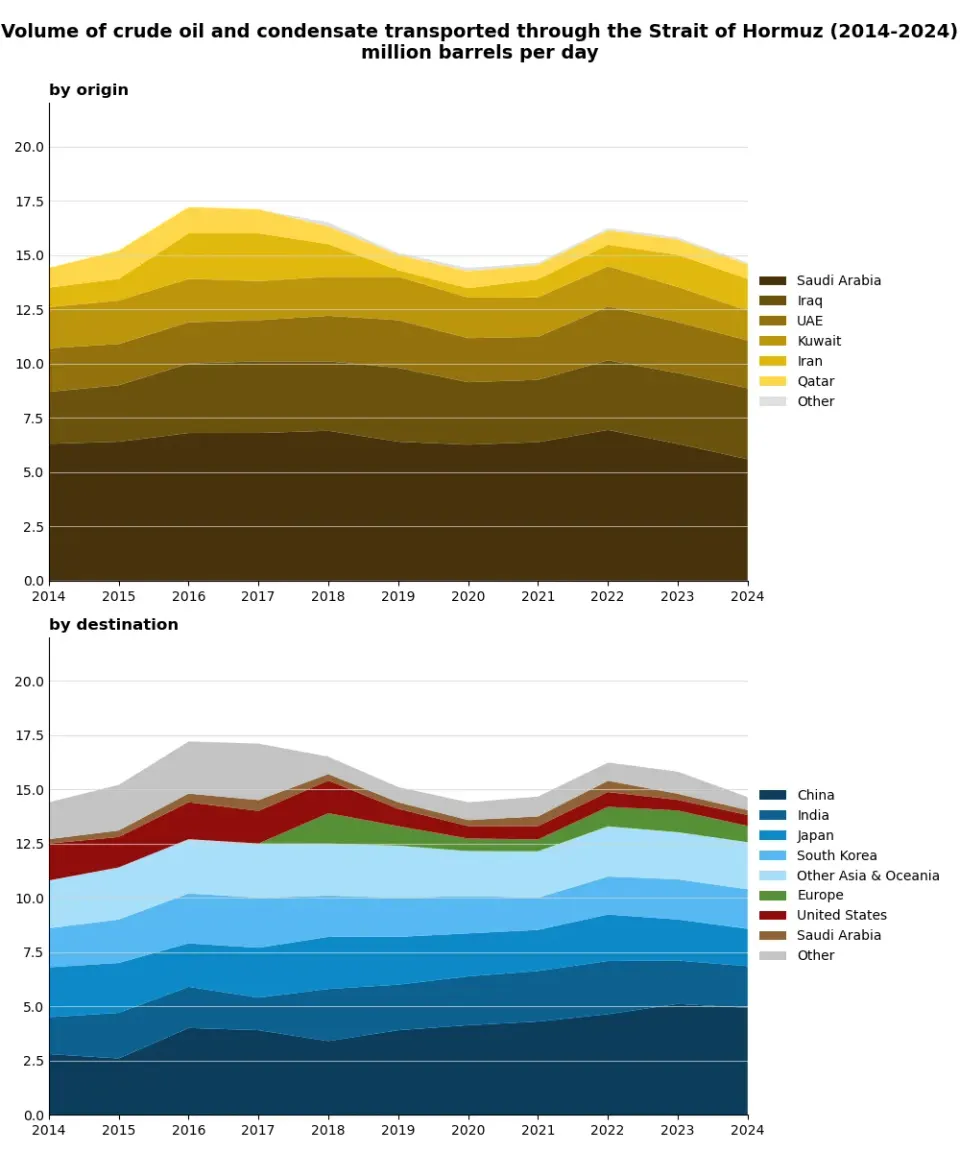
The Strait of Hormuz is a prime example of a geopolitical flashpoint that directly impacts this premium. As the world's most important oil transit choke point, connecting the Persian Gulf to the open ocean, it sees roughly one-fifth of the world's total petroleum liquids consumption pass through it daily. Any threat to its free passage – whether from military tensions, sanctions, or political rhetoric – immediately sends jitters through global energy markets. The mere possibility of a disruption can cause oil prices to spike as buyers rush to secure supplies and speculators bet on future scarcity.
Iran's strategic location along the Strait of Hormuz and its history of geopolitical tensions, particularly concerning sanctions, make it a central player in influencing this risk premium. When Iran dangles a "Hormuz deal" or discusses sanctions relief, it signals a potential shift in the regional power balance and a change in the perceived security of oil flows. This directly impacts global benchmarks like Brent crude, which is more sensitive to Middle Eastern supply dynamics. The widening WTI-Brent spread, as mentioned in the headline, illustrates this: Brent, representing international crude, reacts more acutely to these geopolitical risks than WTI, which is primarily a landlocked North American benchmark.
Understanding the geopolitical risk premium is crucial because it highlights how non-economic factors can significantly influence global commodity markets and, by extension, the broader economy. It can lead to higher energy costs for consumers, impact inflation, and influence central bank policies. This premium underscores the intricate web connecting international politics, energy security, and economic stability.