Macron Deploys French Military to Saudi Oil Sites as Tehran-UAE Rhetoric Escalates
اعزام نیروهای نظامی فرانسه به سایتهای نفتی عربستان؛ تنشهای لفظی تهران و امارات بالا گرفت
French President Emmanuel Macron has announced the deployment of military resources to protect Saudi Arabia's Yanbu oil site against Houthi threats, while UAE diplomats accuse Iran of dragging the region into a 'unsustainable' conflict.
At time of publishing
USD
233,800
Toman
Gold 18K
23.84M
Toman / gram
Bitcoin
$83,760
US Dollar
Tether
233,099
Toman
France Steps in to Guard Saudi Energy Infrastructure
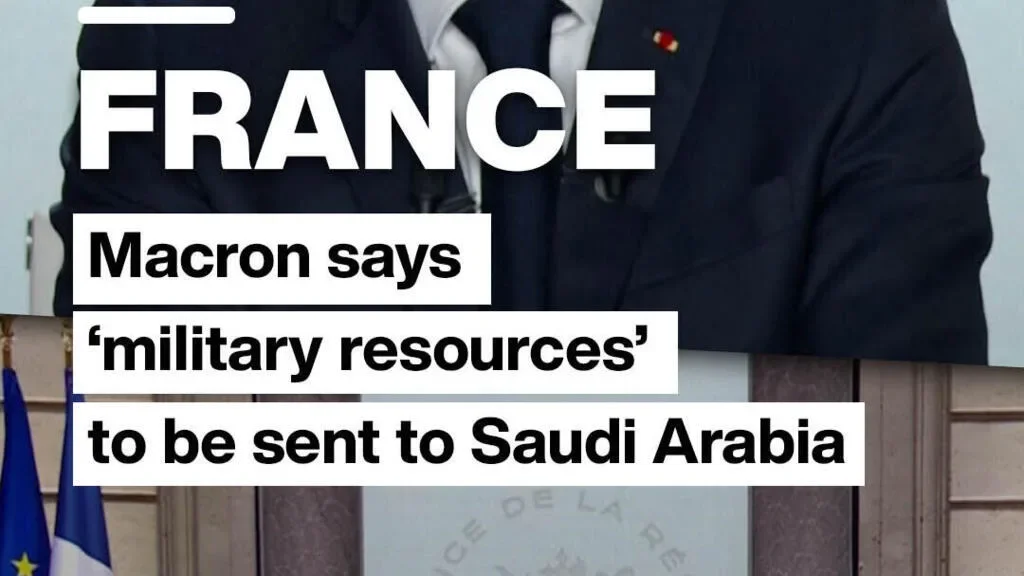
In a significant shift of European involvement in Middle Eastern security, French President Emmanuel Macron announced that 'military resources' will be deployed to Saudi Arabia to protect the Yanbu oil site. Speaking to broadcasters TF1 and France 2, Macron emphasized that the site is integral to the kingdom's fuel exports and is facing increasing threats from Yemen’s Iran-backed Houthi rebels. This move signals a hardening of the French stance in the Red Sea corridor, as Western powers attempt to secure energy supply chains that have been repeatedly disrupted by drone and missile strikes.
The Yanbu terminal is strategically vital because it serves as the western terminus for the East-West Pipeline, allowing Saudi Arabia to bypass the volatile Strait of Hormuz. By placing French boots and technology on the ground, Paris is not just protecting an ally but is actively attempting to stabilize global energy prices which have remained sensitive to regional flare-ups. For the Iranian market, this intervention suggests a more crowded geopolitical landscape where European powers are no longer willing to rely solely on US security guarantees, potentially complicating Tehran's regional leverage.

The Rhetorical War: Pezeshkian and Gargash Clash at UN
While Macron shores up physical defenses, a war of words has erupted on the sidelines of the UN General Assembly. Anwar Gargash, a senior diplomatic adviser to the UAE president, delivered a blistering critique of Tehran, claiming that Iran has 'dragged the region into this conflict.' Gargash cited a staggering figure of 3,300 missiles and drones allegedly fired at the UAE by Iran-backed groups, warning that the current state of 'no war, no peace' is fundamentally unsustainable. This rhetoric highlights a growing impatience among Gulf states who feel caught in the crossfire of the long-standing shadow war between Tehran and its adversaries.
In response, Iranian President Masoud Pezeshkian has maintained a defensive posture, stating via IRNA that Iran has never started a war and has no intention of doing so. However, he coupled this with a stern warning that the country will respond 'powerfully' to any attack. This exchange underscores the deep trust deficit in the region; while Tehran frames its actions as defensive or aimed at 'deterrence,' its neighbors increasingly view Iranian regional policy as a direct threat to their domestic stability and economic ambitions. For the average Iranian citizen, this escalating tension often translates into immediate volatility in the currency and gold markets as the 'shadow of war' risk premium is priced in.

Market Reaction: Toman and Gold Dip Amidst Geopolitical Jitters
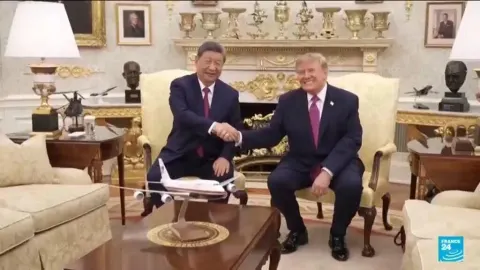
Despite the heated rhetoric, the Tehran markets showed a slight cooling trend in the last 24 hours. The US Dollar (USD/IRR) moved from 234,200 to 233,800, a modest decrease of 0.2%. Similarly, 18k gold followed the downward trend, falling from 24,054,665 to 23,835,357 Toman per gram, representing a 0.9% decline. This minor correction suggests that while geopolitical headlines are alarming, local traders may be waiting for more concrete developments from the ongoing US-China summit, which has so far failed to produce any significant breakthroughs regarding Iran sanctions.
In the global crypto space, Bitcoin remains relatively flat, hovering around the $83,760 mark. The lack of momentum in crypto reflects a broader 'wait-and-see' approach among investors who are weighing the risks of regional escalation against the potential for a diplomatic de-escalation deal. The failure of the Trump-Xi summit to address the 'thorny issue' of Iranian oil exports to China means that the status quo of sanctions remains firmly in place, keeping the pressure on the Iranian economy despite the small daily fluctuations in the Toman's value.
Watch
Macron says ‘military resources’ to be sent to Saudi Arabia • FRANCE 24 English
FRANCE 24 English
Frequently Asked Questions
چرا فرانسه به عربستان نیروی نظامی اعزام میکند؟
واکنش بازار ارز تهران به تنشهای اخیر چه بود؟
اتهام اصلی امارات علیه ایران در مجمع عمومی سازمان ملل چیست؟
Understanding Energy Security Amidst Geopolitical Tensions
The deployment of French military forces to Saudi oil sites amidst escalating regional tensions highlights a critical concept in international relations and economics: Energy Security. At its core, energy security refers to the uninterrupted availability of energy sources at an affordable price. It's a multifaceted challenge involving the reliable supply of energy, the protection of crucial energy infrastructure, and the stability of energy markets against various threats. For nations, ensuring energy security is paramount for economic stability, national defense, and social well-being.
The situation described in the headline perfectly illustrates the practical application of energy security concerns. Saudi Arabia, a cornerstone of global oil supply, faces potential threats from non-state actors like the Houthis, as well as broader geopolitical friction in the Gulf region. Any disruption to its massive oil facilities, such as those in Yanbu, could send shockwaves through global energy markets, leading to price spikes, economic slowdowns, and even political instability far beyond the Middle East. France's decision to deploy military assets underscores the international community's vested interest in safeguarding these vital arteries of global commerce.
Beyond immediate military protection, energy security encompasses a broader range of strategies. These include diversifying energy sources and supply routes to reduce reliance on any single region, building strategic petroleum reserves to buffer against sudden supply shocks, and fostering international cooperation to stabilize markets and address geopolitical risks. The interconnectedness of the global economy means that a threat to energy supply in one region can have profound economic and security implications worldwide, making energy security a collective responsibility.