US-Iran Talks Revive Hormuz Deal Hopes Amidst Saudi Pipeline Restart
مذاکرات آمریکا و ایران؛ امید به توافق هرمز در بحبوحه از سرگیری خط لوله عربستان
US and Iran are reportedly negotiating a phased arrangement to reopen the Strait of Hormuz, potentially easing trade restrictions and asset freezes. Meanwhile, Saudi Aramco has restarted its East-West pipeline, a move that could alleviate some global supply concerns.
At time of publishing
USD
233,200
Toman
Gold 18K
23.82M
Toman / gram
Bitcoin
$83,920
US Dollar
Tether
233,142.866
Toman
US-Iran Negotiations Aim to Reopen Strait of Hormuz
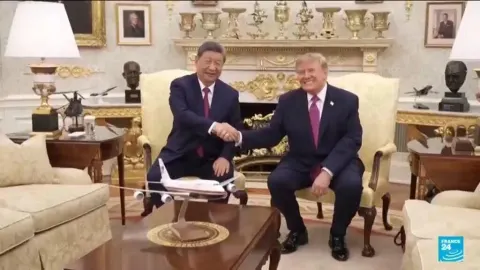
Reports indicate that the United States and Iran are engaged in renewed diplomatic discussions focused on a phased agreement to de-escalate tensions and reopen the critical Strait of Hormuz shipping lane. This potential deal, reportedly building on a framework that briefly eased the standoff in June, involves Iran restoring commercial shipping through the strait in exchange for Washington lifting restrictions on Iranian trade and discussions around accessing frozen Iranian assets. The urgency for such an agreement is amplified by the ongoing pressure of high fuel prices, which could impact political landscapes ahead of key elections.
The broader implications of a reopened Strait of Hormuz extend beyond immediate trade and financial flows. For Iran, it represents a potential economic lifeline, offering a much-needed boost to its oil exports and overall economic stability. For global markets, it promises a significant reduction in geopolitical risk premiums that have been driving up energy prices. The success of these talks hinges on mutual trust and a willingness to compromise, as previous diplomatic efforts have shown the fragility of such agreements. The market reaction, particularly in oil prices and related commodities, will be closely watched as these negotiations unfold.
---
Saudi Aramco Restarts East-West Pipeline Amid Regional Risks
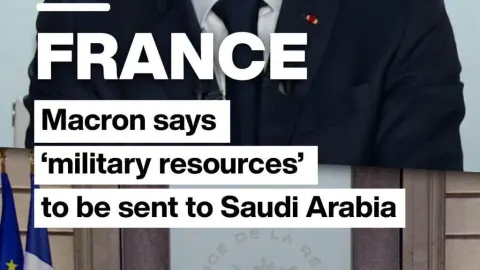
In a significant development for global energy supply, Saudi Aramco has successfully restarted its critical East-West pipeline (Petroline). This vital artery, capable of transporting 7 million barrels per day, was previously disrupted by attacks, forcing a greater reliance on shipping routes through the Strait of Hormuz. The restart, albeit at reduced initial rates of around 4 million barrels per day, signifies a partial restoration of Saudi Arabia's export capacity and a potential buffer against supply shocks.
This move by Aramco is strategically important, especially in the current climate of heightened regional tensions. By rerouting some crude away from the Strait of Hormuz, the company is mitigating the direct impact of any potential disruptions in that critical chokepoint. The restoration of tanker loadings at Yanbu, the pipeline's western terminus, further bolsters this assessment. While full export recovery is still pending, the restart provides a measure of reassurance to the global energy market, potentially dampening some of the price volatility associated with the Hormuz standoff.
---
Sudan Conflict Deepens as Military Victory Perceived by Both Sides
Massad Boulos, the Trump administration's former envoy to Africa, has articulated a concerning assessment of the ongoing conflict in Sudan. According to Boulos, both the Sudanese Armed Forces and the Rapid Support Forces believe they are on a path to achieving a decisive military victory. This perception fuels the ongoing violence and complicates any potential diplomatic resolution, suggesting a prolonged and devastating conflict for the Sudanese people.
The envoy's remarks, made on the sidelines of the UN General Assembly, highlight the international community's struggle to find effective leverage in ending the war. The belief in a military solution by the warring factions indicates a deep entrenchment and a lack of willingness to engage in meaningful peace talks. The consequences for Sudan are dire, including widespread humanitarian suffering, displacement, and the potential for regional destabilization, which could have ripple effects on neighboring countries and international trade routes.

---
US Health System Faces Disruption as ACA Enrollments Canceled
The U.S. health system is bracing for potential disruption following the Trump administration's decision to remove approximately 760,000 individuals from the Affordable Care Act (ACA) marketplace. Officials cite allegations of fraud as the basis for these cancellations, but experts warn that this move could significantly weaken federally subsidized insurance programs and lead to many low-income Americans losing access to essential healthcare services.
This action, coupled with an ongoing investigation into around 420,000 other individuals suspected of fraud and a six-month moratorium on new agents selling Obamacare policies, signals a broader effort to curtail the ACA. The potential fallout includes increased strain on emergency rooms, a rise in untreated chronic conditions, and a widening gap in health equity. The long-term impact on the U.S. health system's stability and the well-being of its most vulnerable populations remains a significant concern, with broader economic implications related to healthcare costs and workforce productivity.

Frequently Asked Questions
What is the current status of the US-Iran negotiations regarding the Strait of Hormuz?
What is the significance of Saudi Aramco restarting its East-West pipeline?
What is the perception of the conflict parties in Sudan?
What are the potential consequences of removing people from the ACA marketplace in the US?
The Strait of Hormuz: Global Energy's Critical Chokepoint
Begin by defining energy chokepoints as narrow maritime passages or pipeline routes that are vital for global energy trade. These points are geographically constrained, making them susceptible to disruption and thus strategically crucial for international energy security. Their vulnerability stems from their limited width, high traffic volume, and often their location in politically volatile regions.
Among all global energy chokepoints, the Strait of Hormuz stands out as arguably the most critical. Situated between Oman and Iran, it is the sole sea passage from the Persian Gulf to the open ocean, through which roughly one-fifth of the world's total petroleum liquids consumption and a significant portion of liquefied natural gas (LNG) pass daily. This makes it indispensable for major oil producers like Saudi Arabia, Iran, Iraq, Kuwait, Qatar, and the UAE to export their vast hydrocarbon reserves to global markets.
The Strait's strategic significance is amplified by the complex geopolitics of the region. Tensions, particularly between the United States and Iran, frequently raise concerns about the Strait's security. Any significant disruption—whether from military conflict, piracy, or even a major shipping accident—could severely impact global oil supplies, trigger sharp price spikes, and destabilize the world economy. The mere threat of such an event often sends ripples through energy markets.
Recognizing this vulnerability, some Gulf nations have invested in alternative export routes. Saudi Arabia's East-West Pipeline (Petroline), for instance, allows a substantial volume of its crude oil to bypass the Strait of Hormuz by transporting it directly to Red Sea ports. While such pipelines offer a degree of redundancy and reduce reliance on the Strait for certain producers, they do not eliminate its overarching importance for the majority of Persian Gulf oil and gas exports.
Understanding the Strait of Hormuz and other energy chokepoints is fundamental to grasping the dynamics of global energy security, international relations, and economic stability. Their strategic importance means that events in seemingly distant regions can have immediate and profound effects on energy prices and supply chains worldwide, underscoring the interconnectedness of the global economy.